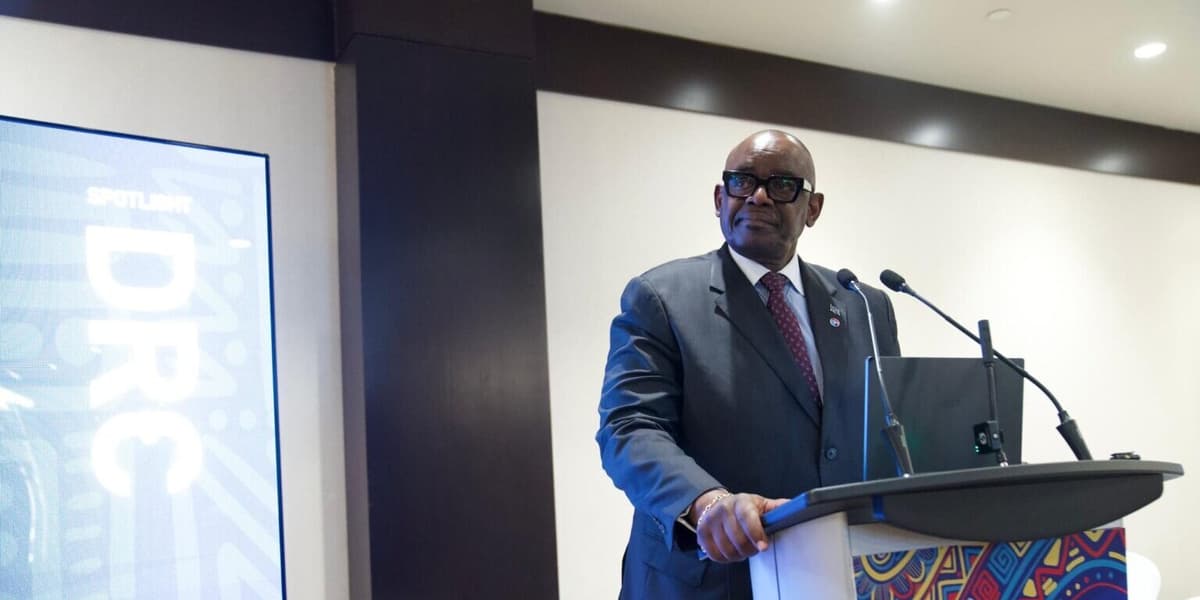
DRC Showcases Strategy for Industrialisation and Value Addition at PDAC 2026
•March 5, 2026
0
Why It Matters
By shifting from raw export to domestic processing, the DRC seeks higher revenues, job creation, and a stronger bargaining position in the global clean‑energy supply chain. This pivot reshapes investment dynamics across Africa’s mining sector.
Key Takeaways
- •DRC targets local processing of copper, cobalt, lithium
- •Iron corridor project valued at $29 billion
- •Cobalt price surged to $55k per tonne
- •Digital cadastre to streamline mining licenses
- •Special economic zones to attract downstream investors
Pulse Analysis
The Democratic Republic of the Congo is leveraging its status as a leading copper and cobalt producer to become a cornerstone of the global energy transition. While security concerns persist in the east, the country’s output of over three million tonnes of copper annually and soaring cobalt prices signal robust demand for its commodities. By championing domestic refining and new mineral streams such as lithium, the DRC aims to capture more of the value chain, reducing reliance on raw‑material exports and fostering industrial growth.
Central to this vision is the $29 billion Iron Mines of the Great East (MIFOR) corridor, an integrated mining‑logistics project designed to unlock vast iron‑ore deposits and connect them to export infrastructure. Complementary initiatives include a gold refinery to improve traceability and a planned lithium production start‑up in Tanganyika province, positioning the DRC as a diversified supplier for battery manufacturers. These projects are underpinned by policy reforms that digitise the mining cadastre, streamline licensing, and create special economic zones, all intended to enhance transparency and investor confidence.
For global investors and manufacturers, the DRC’s strategic shift offers both opportunities and risks. The move toward downstream processing promises higher margins and a more resilient supply chain for critical minerals, while the new regulatory framework seeks to mitigate historical governance challenges. However, sustained progress will depend on political stability, infrastructure delivery, and the ability to balance environmental and social considerations. As the world accelerates toward renewable energy, the DRC’s industrialisation agenda could redefine its role from a raw‑material source to a pivotal hub of mineral value creation.
DRC Showcases Strategy for Industrialisation and Value Addition at PDAC 2026
0
Comments
Want to join the conversation?
Loading comments...