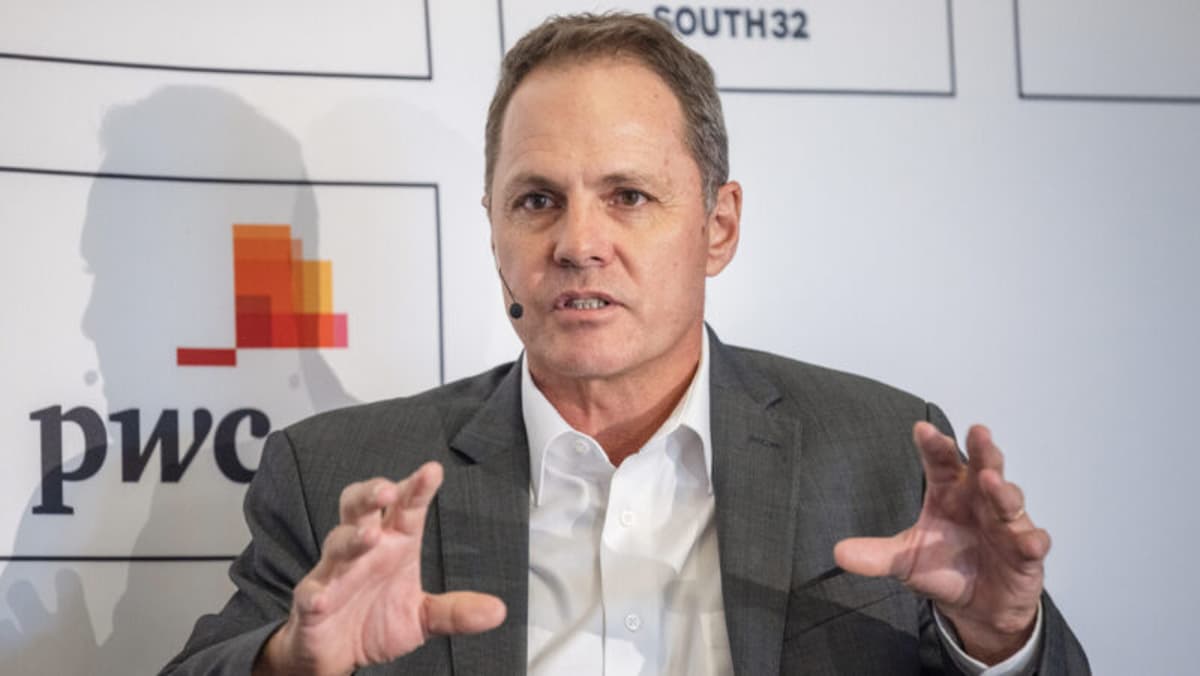
DRDGold Moots Plan to Buy Sasol’s Cyanide Facility
•February 23, 2026
0

Why It Matters
A reliable cyanide supply is essential for gold extraction; without it, South African mining output and profitability could sharply decline. The consortium model could secure the supply chain while navigating competition regulations.
Key Takeaways
- •Sasol plans to exit cyanide production
- •DRDGOLD proposes consortium to acquire plant
- •Cyanide shortage threatens gold recovery by 2025
- •Competition Tribunal blocked Sasol-Draslovka merger
- •Proposed model mirrors Rand Refinery partnership
Pulse Analysis
Sodium cyanide remains the linchpin of gold ore processing, enabling the leaching of precious metal from low‑grade deposits. South Africa, home to the continent’s largest gold mines, has relied on Sasol’s single domestic plant for decades. Recent capital re‑allocation by Sasol and a force‑majeure declaration have exposed the fragility of this supply chain, prompting industry leaders to reassess their dependence on a sole supplier.
In response, DRDGOLD’s chief executive has rallied peers—including Harmony Gold and Pan African Resources—to explore a joint acquisition of the cyanide facility. By inserting a dedicated chemicals partner to operate the plant, the miners aim to insulate themselves from future disruptions while keeping costs predictable. The strategy also sidesteps the Competition Commission’s earlier objection to a Sasol‑Draslovka merger, which was deemed detrimental to the public interest. Regulatory compliance will be paramount, as the consortium must structure the deal within antitrust parameters.
If successful, the consortium could emulate the Rand Refinery model, where industry stakeholders collectively own critical processing infrastructure. Such vertical integration would not only stabilize cyanide availability but also reinforce South Africa’s position in the global gold market. Moreover, local ownership may attract further investment in downstream chemical capabilities, fostering a more resilient mining ecosystem. Stakeholders will watch closely as negotiations progress, recognizing that the outcome could set a precedent for collaborative resource security across other mineral sectors.
DRDGold moots plan to buy Sasol’s cyanide facility
0
Comments
Want to join the conversation?
Loading comments...