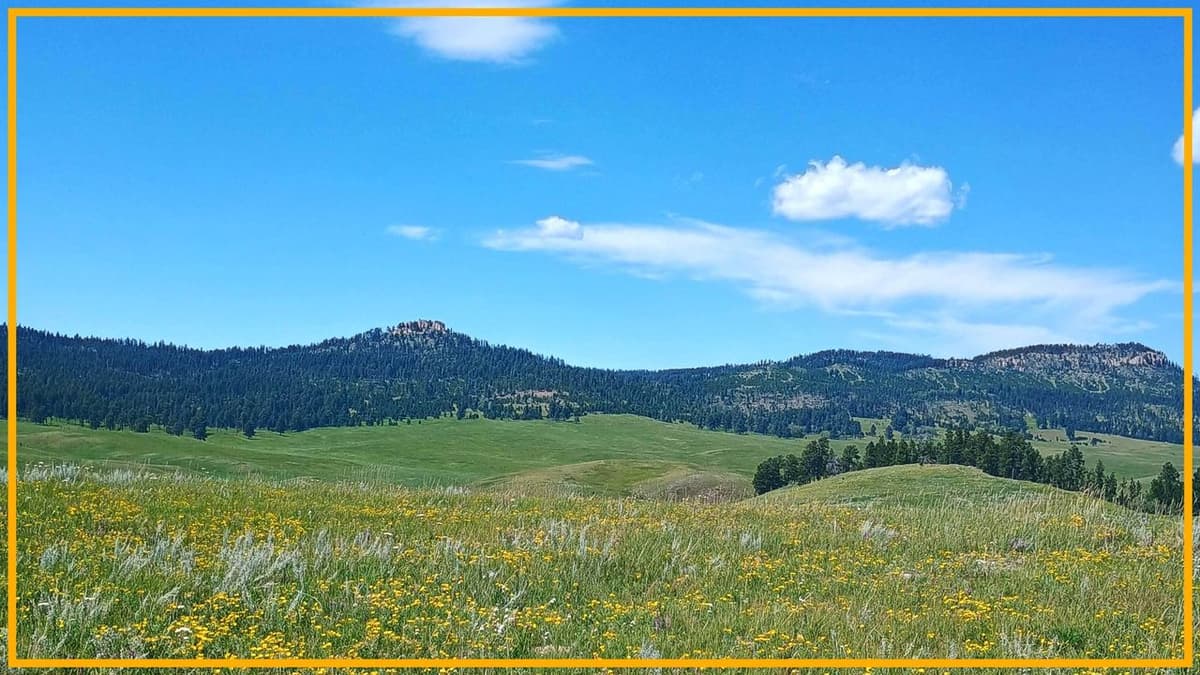
Drilling Has Begun at Our Sacred Site Pe' Sla, Setting a Dangerous Precedent for Indigenous Lands Across the Country. It Must Be Stopped.
Why It Matters
The approval threatens to weaken legal protections for Indigenous sacred lands and exposes nearby communities to serious environmental health risks, setting a risky precedent for future extractive projects.
Key Takeaways
- •Forest Service granted categorical exclusion, skipping NEPA review for Pe' Sla drilling.
- •Two drill pads operate within 2‑mile buffer of federally protected sacred site.
- •Graphite deposit is low‑grade, unlikely to generate lasting economic benefit.
- •Potential runoff threatens drinking water, agriculture, and regional ecosystems.
Pulse Analysis
The Pe' Sla controversy highlights a growing clash between federal resource policy and Indigenous treaty rights. The Black Hills area, recognized under the 1868 Fort Laramie Treaty, has long been safeguarded as a cultural and spiritual sanctuary for the Great Sioux Nation. Yet the Forest Service’s decision to issue a permit for exploratory graphite mining—despite a 2016 memorandum acknowledging the site’s sacred status—illustrates how economic pressures can override treaty obligations. This case underscores the need for stronger enforcement mechanisms that honor tribal sovereignty and the legal hierarchy of treaties over domestic statutes.
Graphite, a key component in lithium‑ion batteries and electric‑vehicle technology, has seen surging demand as the clean‑energy transition accelerates. However, the Pe' Sla deposit is described as small and low‑grade, casting doubt on its profitability. By invoking a categorical exclusion, the agency avoided the rigorous environmental impact statement typically required under the National Environmental Policy Act. Critics argue this shortcut ignores the well‑documented risks of heavy‑metal leaching, acid‑mine drainage, and downstream contamination that have plagued similar operations, such as the historic Gold King Mine incident. Legal challenges now focus on whether the exemption violates both NEPA and the government’s own commitments to protect Indigenous religious practices.
Beyond the immediate environmental stakes, the Pe' Sla drill pads could set a national precedent. If federal agencies can permit extractive activities on lands designated as sacred and under tribal stewardship, other communities may face similar encroachments on their cultural heritage and water resources. Indigenous advocacy groups and environmental NGOs are mobilizing, urging policymakers to tighten review standards and honor treaty obligations. The outcome will signal whether the United States will prioritize short‑term resource extraction over long‑term ecological integrity and the constitutional rights of Native nations.
Drilling has begun at our sacred site Pe' Sla, setting a dangerous precedent for Indigenous lands across the country. It must be stopped.
Comments
Want to join the conversation?
Loading comments...