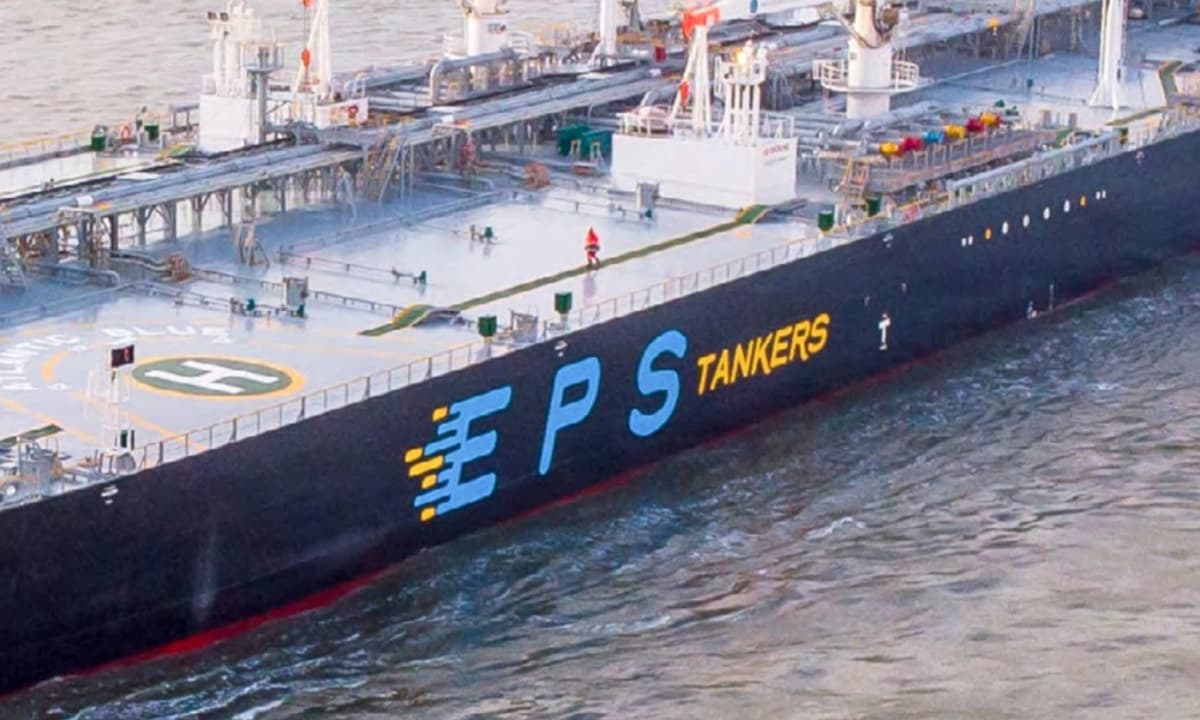
EPS Boosts VLCC Series with Two More Hengli Newbuilds
•March 1, 2026
0
Why It Matters
The new VLCCs will boost EPS’s crude oil transport capacity at a time of tightening global supply chains, while cementing Hengli’s position as a leading builder of ultra‑large tankers.
Key Takeaways
- •EPS adds two 306,000 dwt VLCCs at Hengli.
- •Total EPS VLCC orders at yard reach ten vessels.
- •Deliveries slated for 2029‑2030 expand crude tanker fleet.
- •Re‑entry marks EPS’s first VLCC builds since 2018.
- •Strengthens Hengli’s order book across multiple ship types.
Pulse Analysis
The ultra‑large crude carrier (VLCC) market is entering a phase of renewal after several years of subdued new‑building activity. EPS’s latest order reflects a strategic pivot back to the high‑value, long‑haul segment, leveraging the economies of scale that VLCCs provide for moving crude from production hubs to distant refineries. By aligning its fleet expansion with Hengli’s advanced shipyard capabilities, EPS can secure modern, fuel‑efficient vessels that meet tightening emissions standards, positioning itself for competitive freight rates as global demand rebounds.
Hengli Shipbuilding benefits from EPS’s growing order book, which now spans crude tankers, product carriers, containerships and capesize bulkers. The diversification of contracts mitigates cyclical risk and sustains yard utilization through the late 2020s. Moreover, the inclusion of two additional VLCCs in a five‑ship batch underscores the yard’s capacity to deliver complex, high‑tonnage projects on schedule, reinforcing China’s emergence as a hub for large‑scale tanker construction.
For the broader oil logistics ecosystem, EPS’s expanded VLCC fleet enhances crude supply flexibility, especially as geopolitical shifts and refinery upgrades drive new trade routes. The timing of deliveries in 2029‑2030 aligns with anticipated fleet retirements, allowing EPS to replace aging tonnage with state‑of‑the‑art vessels. This infusion of capacity could exert downward pressure on spot charter rates, prompting other owners to reassess fleet strategies and potentially spurring further investment in next‑generation, low‑sulphur tankers.
EPS boosts VLCC series with two more Hengli newbuilds
0
Comments
Want to join the conversation?
Loading comments...