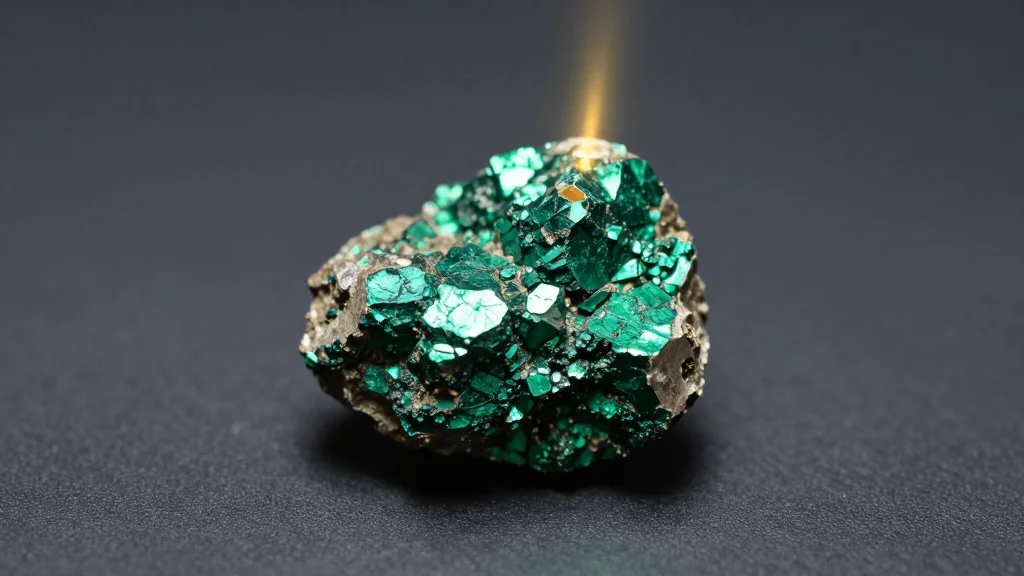
EU Launches Online Platform to Match Buyers with Critical Raw Material Suppliers

Why It Matters
The Raw Materials Mechanism addresses a core vulnerability in Europe's industrial strategy: reliance on a narrow set of foreign producers for materials that underpin the green and digital transitions. By improving market transparency and enabling demand aggregation, the platform could lower barriers for new entrants, stimulate domestic processing capacity, and reduce exposure to geopolitical shocks. Successful matchmaking may also accelerate the EU's 2030 targets for extraction, processing and recycling, reinforcing the bloc's strategic autonomy. Beyond supply security, the initiative signals a shift toward digital tools in industrial policy, echoing the EU's broader push to embed data‑driven solutions in energy, climate and trade. If the platform proves effective, it could become a template for other sectors where supply chain fragility hampers competitiveness.
Key Takeaways
- •EU Commission opened first call of Raw Materials Mechanism on April 13, 2026
- •Platform aggregates demand for rare earths, battery and defence materials
- •Registration deadline for companies is end of April 2026
- •Mechanism aligns with Critical Raw Materials Act 2030 targets (10% extraction, 40% processing, 25% recycling)
- •Goal: limit any third‑country supplier to no more than 65% of EU annual consumption
Pulse Analysis
The EU's Raw Materials Mechanism is a pragmatic response to a structural supply‑chain weakness that has long plagued European manufacturers. By leveraging a digital marketplace, Brussels sidesteps the lengthy, politically fraught process of approving new mines while still nudging the market toward diversification. The platform's voluntary nature respects market dynamics, yet its alignment with the Critical Raw Materials Act gives it policy heft that private‑sector initiatives lack.
Historically, attempts to secure critical inputs have relied on bilateral deals or state‑backed investments, both of which can be slow and opaque. The demand‑aggregation model, proven in the energy sector, offers a faster feedback loop: buyers signal volume, suppliers gauge market viability, and financiers can assess risk more accurately. If early rounds generate sufficient match‑making, we could see a cascade of financing for downstream processing and recycling projects, helping the EU meet its 2030 benchmarks.
However, the platform's impact will hinge on participation rates and the quality of the supplier pool. Small and medium‑sized enterprises may benefit most, but larger firms could dominate the demand side, potentially skewing matches toward established players. Moreover, without concrete incentives for new extraction projects, the mechanism may only shift existing supply rather than create new capacity. Monitoring the volume of successful matches and subsequent investment flows will be essential to gauge whether the Raw Materials Mechanism can move beyond a matchmaking service to a catalyst for genuine supply‑chain resilience.
EU Launches Online Platform to Match Buyers with Critical Raw Material Suppliers
Comments
Want to join the conversation?
Loading comments...