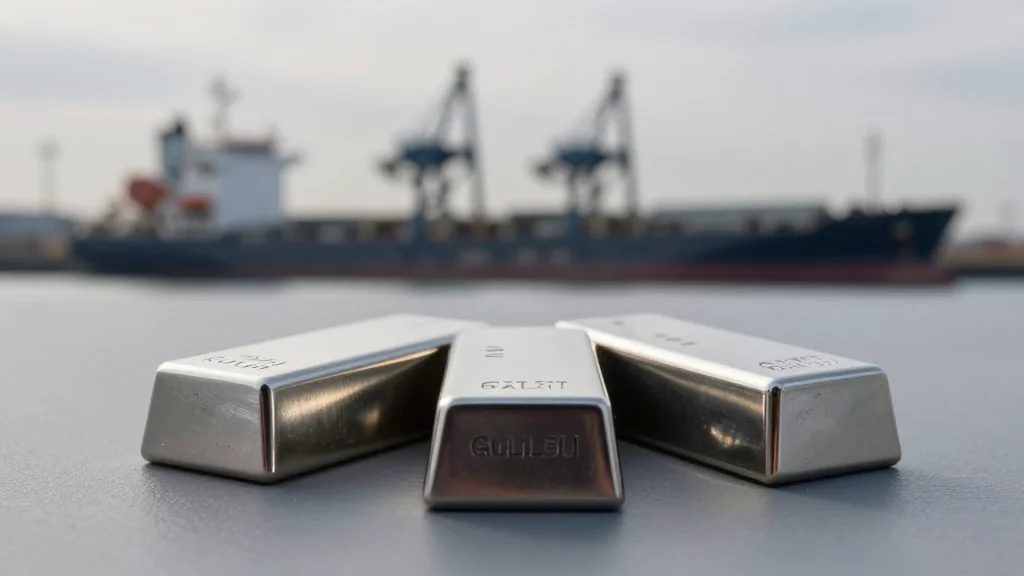
EU Sets Up First Coordinated Stockpile of Tungsten, Rare Earths and Gallium

Why It Matters
A coordinated EU stockpile directly addresses the strategic vulnerability created by China’s near‑monopoly over the processing of key minerals. By securing physical reserves, Europe can insulate critical sectors – from defence to clean‑energy technologies – from sudden supply shocks, thereby supporting the bloc’s climate goals and security commitments. The initiative also signals to global markets that Europe is willing to invest heavily in supply‑chain resilience, potentially prompting other regions to adopt similar safeguards. Beyond immediate supply security, the stockpile could catalyse domestic mining and processing projects, encouraging investment in European deposits of tungsten, rare earths, gallium and related elements. This would diversify the supply base, create jobs, and reduce the carbon footprint associated with long‑haul shipping of raw materials, aligning with the EU’s broader Green Deal objectives.
Key Takeaways
- •EU shortlisted tungsten, rare earths and gallium for its first coordinated critical‑minerals stockpile.
- •Ten member states are participating in planning groups led by Italy, France and Germany.
- •Port of Rotterdam is being considered as the primary storage hub for the reserves.
- •EU imports 93% of its permanent magnets for wind turbines from China, highlighting supply risk.
- •Top three producers now control 86% of key minerals (copper, lithium, nickel, cobalt, graphite, rare earths) as of 2024.
Pulse Analysis
The EU’s stockpile initiative marks a decisive shift from policy rhetoric to concrete infrastructure. Historically, Europe has relied on market mechanisms and bilateral agreements to secure critical inputs, but the recent tightening of Chinese export controls has exposed the limits of that approach. By creating a strategic reserve, the EU is adopting a model long used by oil‑producing nations, turning raw material security into a matter of national security.
The choice of tungsten, rare earths and gallium reflects a targeted focus on the most defense‑sensitive and high‑tech applications. Tungsten is essential for armor‑piercing ammunition and high‑temperature alloys, while rare earth magnets power everything from electric motors to wind‑turbine generators. Gallium, a less‑known but vital semiconductor material, underscores the EU’s intent to protect its emerging chip‑fabrication ecosystem. The inclusion of magnesium, germanium and graphite would broaden the safety net to cover lightweight alloys, infrared optics and battery technologies.
However, the success of the stockpile hinges on financing and governance. Without a clear budget, the reserve risks becoming a symbolic gesture rather than an operational buffer. The proposed permanent secretariat could provide the institutional continuity needed, but it will also require sustained political will across changing EU leadership. If the EU can lock in funding and operational protocols, the stockpile could not only blunt Chinese leverage but also stimulate a European supply chain renaissance, encouraging investment in domestic mining projects and downstream processing facilities. In the longer term, the move may force China to reconsider its export‑control strategy, knowing that Europe is building a resilient alternative.
EU Sets Up First Coordinated Stockpile of Tungsten, Rare Earths and Gallium
Comments
Want to join the conversation?
Loading comments...