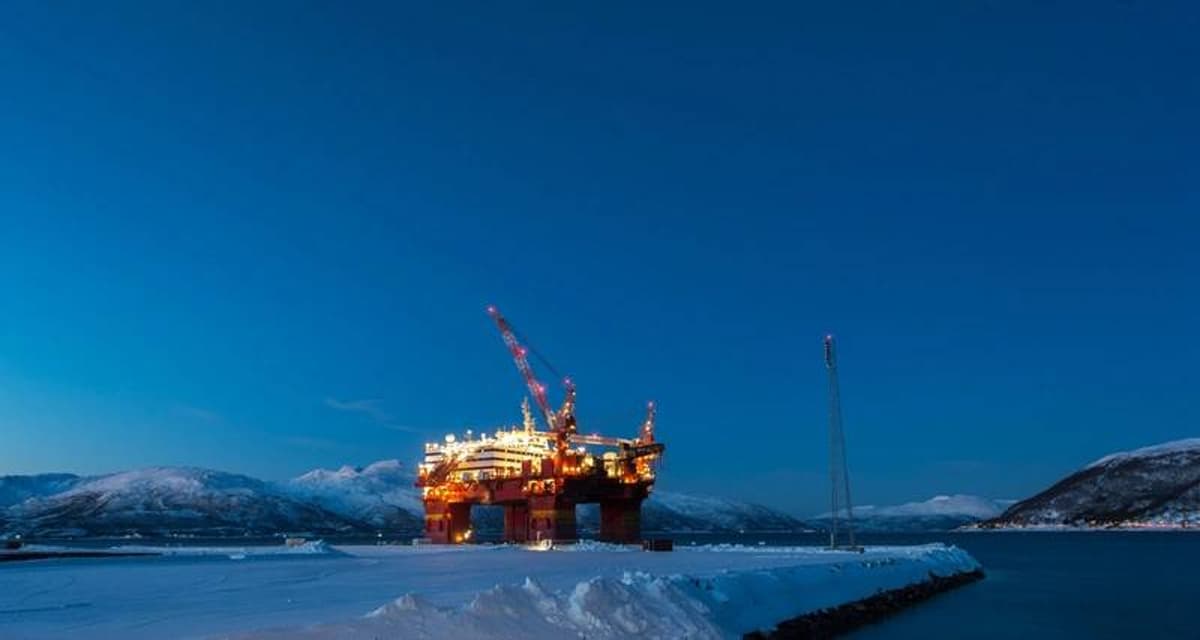
EU Weighs Dropping Arctic Drilling Opposition
Why It Matters
If the EU eases its Arctic drilling opposition, the region could see a surge in hydrocarbon development, reshaping global energy supply and challenging the bloc’s climate‑goal credibility.
Key Takeaways
- •EU reconsidering ban on new Arctic oil and gas drilling
- •Opposition stance in place since 2021 now under review
- •Shift driven by energy security and member state pressures
- •Could unlock multi‑billion‑dollar Arctic hydrocarbon projects
- •Raises concerns for EU climate targets and global emissions
Pulse Analysis
The EU’s possible retreat from its Arctic drilling ban reflects a broader tension between climate ambition and energy security. Since 2021, Brussels has led calls for a global moratorium, positioning itself as a climate leader. However, recent geopolitical shocks—such as supply disruptions in Eastern Europe and heightened demand for secure energy sources—have prompted policymakers to reconsider. The internal debate underscores how member states balance environmental commitments with national energy needs, especially as the bloc seeks to reduce reliance on Russian gas.
Arctic offshore basins hold an estimated 90 billion barrels of recoverable oil and 200 trillion cubic feet of gas, according to industry analysts. Unlocking these resources could attract multi‑billion‑dollar investments from major oil majors and state‑owned firms, potentially revitalizing regional economies and creating new export corridors. Yet the fragile Arctic ecosystem, indigenous rights, and the EU’s own Green Deal targets raise stark contradictions. Environmental groups warn that any new drilling would lock in emissions for decades, jeopardizing the EU’s 2030 climate objectives and its pledge under the Paris Agreement.
For investors and energy markets, the EU’s stance is a signal of regulatory risk and opportunity. A softened position may accelerate financing for Arctic projects, influencing global oil prices and shifting capital flows toward high‑risk, high‑reward ventures. Conversely, it could trigger stricter scrutiny from climate‑focused regulators and ESG‑driven funds, prompting firms to adopt more robust mitigation strategies. Stakeholders will watch upcoming EU Council meetings closely, as the final decision will shape the balance between climate policy credibility and the pursuit of energy independence.
EU Weighs Dropping Arctic Drilling Opposition
Comments
Want to join the conversation?
Loading comments...