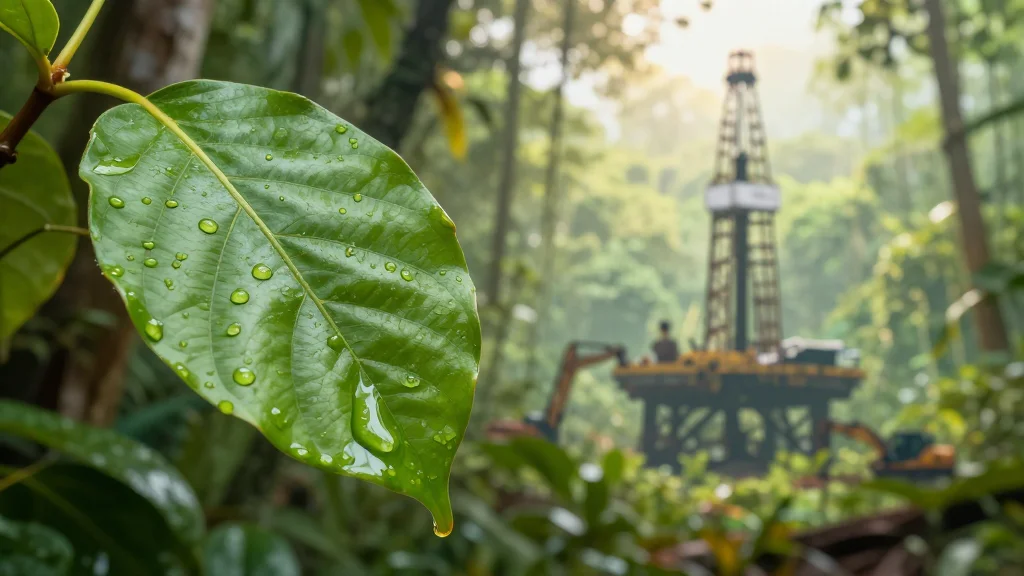
Extractivism Threatens Indigenous Communities in Peru‑Brazil Amazon Corridor

Why It Matters
The Yavarí‑Tapiche corridor sits at the intersection of biodiversity conservation, climate mitigation and Indigenous rights. Mining and hydrocarbon expansion in the area threatens carbon‑rich forests that act as a global climate buffer, while also violating international agreements that protect isolated Indigenous peoples. For the mining sector, the report highlights the growing legal and reputational risks of operating in regions where land tenure is contested and where civil‑society scrutiny is intensifying. If extractive projects proceed unchecked, the corridor could become a precedent for further encroachment into other Amazonian frontiers, accelerating deforestation, biodiversity loss and social conflict. Conversely, a coordinated response that respects Indigenous sovereignty could set a new standard for responsible mining in sensitive ecosystems worldwide.
Key Takeaways
- •Report finds oil and gas blocks overlap 10% of the 16‑million‑hectare Yavarí‑Tapiche corridor.
- •1.7 million hectares of intact tropical moist forest are at risk from extractive concessions.
- •90% of the corridor is under protected status, yet 66% lies in Brazil and faces mining pressure.
- •17 isolated Indigenous groups in Brazil and several in Peru remain unrecognized or in bureaucratic limbo.
- •Legal setbacks include the 2025 refusal to approve the Yavarí‑Mirim reserve and recurring anti‑PIACI bills.
Pulse Analysis
The Yavarí‑Tapiche corridor illustrates a broader shift in the mining industry: investors and regulators are increasingly forced to account for social license and environmental stewardship in frontier regions. Historically, mining firms have leveraged weak governance to secure concessions in remote Amazonian zones, often sidelining Indigenous consent. The current report, however, aggregates scientific, legal and community data that could empower NGOs and governments to challenge such practices more effectively.
From a market perspective, the exposure of mining concessions in a high‑profile Amazon corridor may prompt financiers to reassess risk models for projects that intersect with PIACI territories. ESG‑focused funds are likely to demand stricter due‑diligence, potentially raising capital costs for companies that cannot demonstrate robust community engagement. Moreover, the highlighted overlap of hydrocarbon and mining licenses suggests a coordinated extractive strategy that could attract regulatory scrutiny under both national environmental laws and international conventions such as the UN Declaration on the Rights of Indigenous Peoples.
Looking ahead, the corridor could become a litmus test for how the mining sector navigates the tension between resource demand and Indigenous rights. If governments honor the report’s recommendations—suspending new concessions and fast‑tracking reserve approvals—they may avert a cascade of conflicts that could spill over into other Amazonian corridors. Failure to act, however, risks not only ecological degradation but also costly legal battles, supply‑chain disruptions and heightened activism that could tarnish the reputation of firms operating in the region.
Extractivism Threatens Indigenous Communities in Peru‑Brazil Amazon Corridor
Comments
Want to join the conversation?
Loading comments...