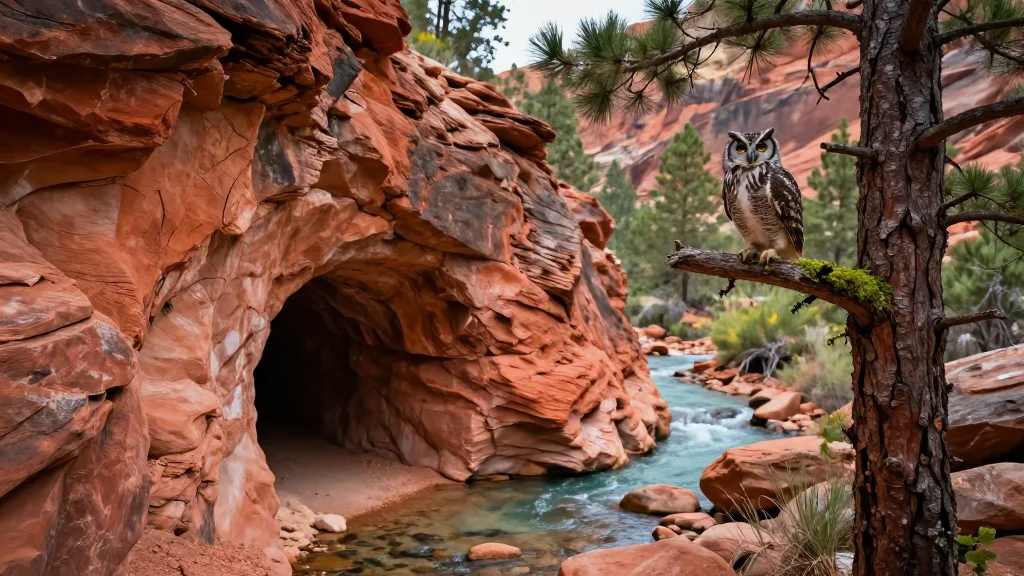
Fast‑Track Arizona Copper Mine Review Sparks Lawsuit Over Endangered Owl Habitat

Companies Mentioned
Why It Matters
The lawsuit underscores how accelerated permitting for critical minerals can clash with federal wildlife protections, testing the limits of the Endangered Species Act in the context of the U.S. clean‑energy transition. A ruling against the BLM could compel agencies to adopt more rigorous, species‑specific assessments, slowing the rollout of domestic copper supply chains that are essential for electric‑vehicle batteries and renewable‑energy storage. Conversely, a decision favoring Redhawk may signal that economic imperatives can outweigh habitat safeguards, potentially opening more public lands to rapid mineral extraction. Beyond the immediate legal fight, the case could reshape stakeholder dynamics in the Southwest. Tribal nations, local conservation groups, and industry will likely intensify negotiations over water rights, habitat corridors, and mitigation measures. The outcome may also influence investor confidence in projects that sit on ecologically sensitive lands, prompting mining firms to factor biodiversity risk into their project finance models.
Key Takeaways
- •BLM fast‑tracked approval for Redhawk's 1,324‑acre copper exploration in Copper Creek Canyon.
- •Environmental groups filed a lawsuit alleging violation of the Endangered Species Act for Mexican spotted owls.
- •Project plans 67 drill pads; each can use up to 70,000 gallons of water per month, with only two rigs operating at once.
- •Copper Creek lies within the second‑largest unfragmented landscape in Arizona, linking multiple mountain ranges.
- •Legal outcome could set precedent for future mineral permitting on public lands with endangered species.
Pulse Analysis
The Redhawk case arrives at a pivotal moment when the United States is scrambling to secure domestic sources of copper for its green‑energy agenda. Historically, the BLM has balanced mineral development with environmental stewardship, but the accelerated timeline here reflects mounting political pressure to fast‑track critical‑mineral projects. If the courts uphold the lawsuit, the decision will reinforce the Endangered Species Act as a hard stop for rapid permitting, compelling agencies to allocate more resources to species‑specific studies and potentially lengthening project lead times.
From a market perspective, investors are watching the outcome for clues about regulatory risk. A setback for Redhawk could trigger a reassessment of the feasibility of other copper projects in the Southwest, where similar habitat concerns exist. Conversely, a win for the developer may embolden other firms to pursue expedited reviews, betting that the legal system will tolerate a higher environmental cost in exchange for strategic mineral supply.
Strategically, the involvement of the San Carlos Apache Tribe adds a layer of sovereign authority that could influence future negotiations. Tribal consent has become a de‑facto prerequisite for many land‑use projects, and a court ruling that respects tribal and ecological concerns could set a new template for collaborative permitting. Ultimately, the case will test whether the United States can reconcile its climate‑driven resource needs with the legal and moral obligations to protect its most vulnerable species.
Fast‑Track Arizona Copper Mine Review Sparks Lawsuit Over Endangered Owl Habitat
Comments
Want to join the conversation?
Loading comments...