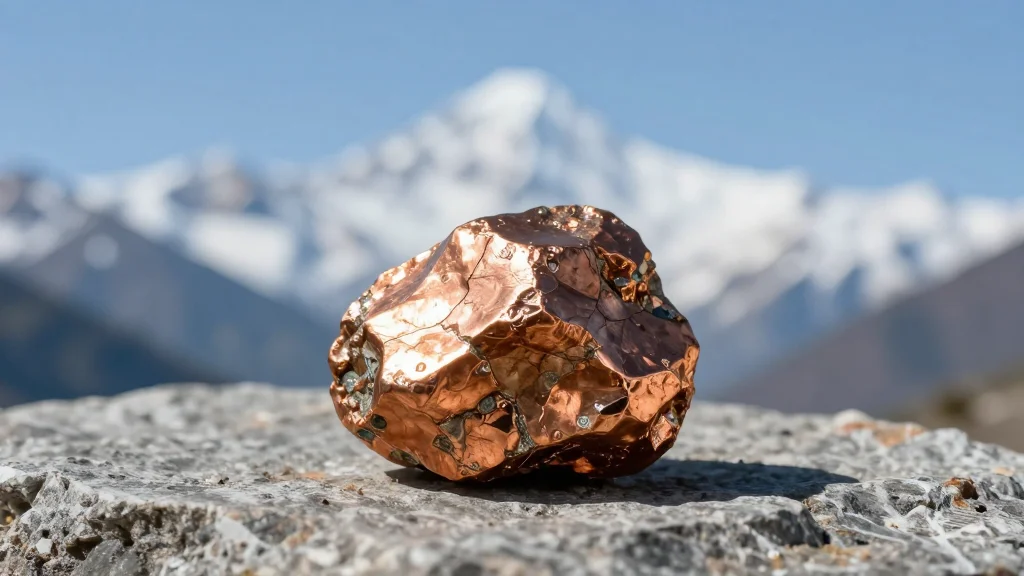
Filo Del Sol in Argentina May Hold 13 Mt of Copper, Redefining Global Supply

Why It Matters
The Filo del Sol estimate could materially shift the supply dynamics of copper, a metal central to the global shift toward renewable energy, electric vehicles, and digital infrastructure. By adding a high‑grade, large‑scale source, the project may temper price volatility that has plagued the market since 2022, offering manufacturers a more predictable input cost. Beyond economics, the project spotlights the tension between resource development and environmental stewardship in sensitive mountain ecosystems. How Argentina enforces its Glacier Law and how mining firms adopt renewable‑energy power solutions will set precedents for future high‑altitude projects across the Andes and other fragile regions worldwide.
Key Takeaways
- •Initial resource estimate shows up to 13 million tonnes of copper at Filo del Sol.
- •Gold and silver resources total 907,000 kg (32 m oz) and 18.6 million kg (659 m oz) respectively.
- •Deposit size is roughly five times larger than previous assessments.
- •Project sits at ~5,000 m altitude, raising logistical and health challenges.
- •Environmental concerns focus on Argentina’s Glacier Law and groundwater use.
Pulse Analysis
Filo del Sol arrives at a moment when copper markets are grappling with a supply‑demand gap driven by aggressive decarbonization targets. The deposit’s scale could act as a counterweight to recent supply shocks in Chile and Peru, where labor disputes and water restrictions have tightened output. However, the high‑altitude setting means that cost overruns are likely; historical analogues such as the Cerro Moreno project in Chile demonstrate that operating at 4,500 m can inflate capital expenditures by 30‑40 % compared with lower‑elevation mines. Lundin and BHP will need to secure robust financing packages that account for these risk premiums, possibly leveraging green bonds to align with ESG mandates.
Environmental scrutiny will be equally decisive. The Glacier Law, enacted after a series of high‑profile water‑rights conflicts, gives the Argentine government a powerful lever to halt or reshape projects that threaten glacial meltwater. If Lundin and BHP can prove that renewable‑energy transmission and water‑recycling technologies will keep the mine’s footprint within legal limits, they may set a new benchmark for sustainable high‑altitude mining. Failure to do so could trigger protests, legal challenges, and costly redesigns, eroding the project's economic viability.
In the broader competitive landscape, the Filo del Sol find intensifies the race among major miners to secure copper assets that can feed the next wave of green technologies. Companies like Rio Tinto and Freeport‑McMoRan are already expanding their portfolios in South America, and a successful development at Filo del Sol would give Lundin and BHP a strategic foothold in the Andes. The next 12‑18 months will be critical as feasibility studies, permitting, and financing converge, determining whether this "treasure" becomes a cornerstone of the global copper supply chain or remains a geological curiosity.
Filo del Sol in Argentina May Hold 13 Mt of Copper, Redefining Global Supply
Comments
Want to join the conversation?
Loading comments...