First Atlantic Nickel Showcases Awaruite; Greenland Mines Accelerates Rare Earth Deal

Companies Mentioned
Why It Matters
Securing domestic sources of nickel, cobalt, and rare earths reduces reliance on China, which dominates global processing capacity for these metals. A smelter‑free pathway for nickel‑cobalt could lower greenhouse‑gas emissions and shorten supply chains, addressing both ESG concerns and geopolitical risk. Meanwhile, Greenland’s rare‑earth project offers a rare‑earth supply that is geographically distant from Chinese monopolies, potentially stabilizing prices for neodymium and praseodymium, which are essential for high‑performance magnets used in wind turbines, EV motors, and defense systems. Investors are increasingly weighting companies that can demonstrate rapid project execution and innovative processing methods. The two announcements illustrate a broader industry shift toward diversifying the critical‑mineral portfolio, aligning with policy initiatives in the U.S., EU, and Canada that aim to bolster domestic mineral security ahead of the 2030 clean‑energy transition.
Key Takeaways
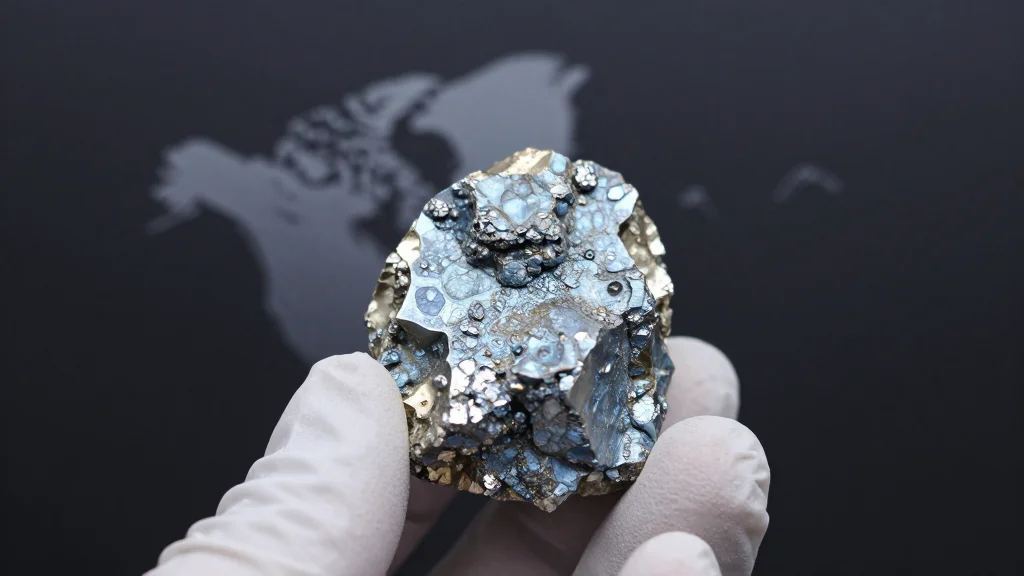
- •First Atlantic displayed awaruite alloy with 77.62% Ni and 1.69% Co at a Toronto conference.
- •Awaruite can be concentrated to ~60% Ni without smelting, bypassing limited North American capacity.
- •Greenland Mines acquired the Sarfartoq rare‑earth project and field‑tested the site within eight days.
- •Sarfartoq hosts over 35,800 m of historic drilling, including a 4,607 m infill program in 2023.
- •Both moves aim to reduce dependence on Chinese processing and support EV‑battery and defense supply chains.
Pulse Analysis
The twin announcements signal a strategic pivot in the critical‑minerals arena from traditional, capital‑intensive smelting to more agile, low‑impact processing and rapid project deployment. First Atlantic’s focus on magnetic separation reflects a broader industry trend toward ‘green metallurgy,’ where companies seek to meet tightening ESG standards while cutting costs associated with large‑scale smelters. If the pilot proves commercially viable, it could set a precedent for other nickel‑cobalt projects, especially those in regions lacking smelting infrastructure.
Greenland Mines’ accelerated acquisition underscores a new playbook for rare‑earth developers: secure ownership, deploy field assets quickly, and leverage existing drilling data to fast‑track resource definition. This approach reduces the typical multi‑year lag between acquisition and feasibility studies, a critical advantage as governments worldwide tighten export controls on rare‑earths. The rapid field visit also serves as a confidence signal to investors wary of geopolitical risk in the Arctic.
Looking ahead, the success of these initiatives will hinge on policy support. The United States’ Inflation Reduction Act and the EU’s Critical Raw Materials Act both allocate funding for domestic processing and exploration. Companies that can demonstrate both technical feasibility and alignment with these incentives are likely to attract the next wave of capital. In the meantime, market participants should monitor the upcoming pilot results from First Atlantic and Greenland Mines’ permitting timeline, as both will shape the supply dynamics for battery‑grade metals in the crucial years leading up to 2030.
First Atlantic Nickel Showcases Awaruite; Greenland Mines Accelerates Rare Earth Deal
Comments
Want to join the conversation?
Loading comments...