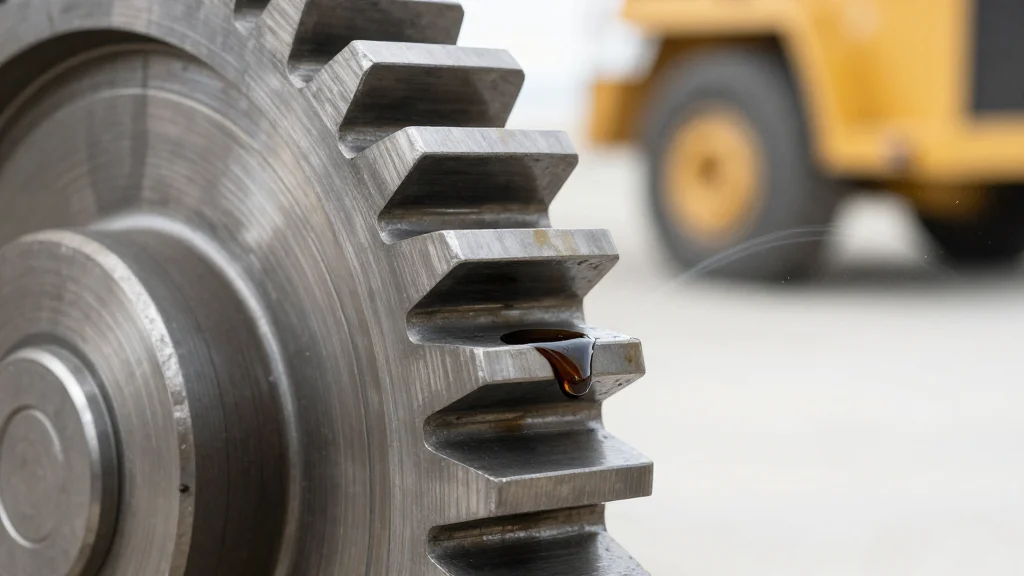
Five Ways Ultra-Low Zinc Additives Are Redefining Drivetrain Performance
Why It Matters
The shift delivers measurable cost savings and higher equipment availability while mitigating regulatory risk, a decisive advantage for capital‑intensive mining operations.
Key Takeaways
- •Ash‑less anti‑wear chemistries eliminate sulfur‑induced copper corrosion
- •Phosphorus‑based films achieve higher FZG gear‑test load stages
- •Lower treat rates boost formulation efficiency and extend drain intervals
- •Reduced zinc content eases compliance with ECHA environmental rules
Pulse Analysis
The mining sector’s relentless push for higher productivity has exposed the limits of legacy zinc‑based lubricants. Traditional ZDDP additives rely on zinc as a carrier for phosphorus and sulfur, a combination that, under extreme loads, releases excess sulfur and corrodes copper‑alloy components. Modern ash‑less chemistries decouple zinc from the anti‑wear mechanism, using phosphorus to form a glass‑like protective film that resists wear without the corrosive side effects. This fundamental chemistry shift translates into higher gear‑test scores, meaning gears can endure greater loads before failure, directly boosting machine uptime in 24‑hour mining operations.
Beyond wear protection, the new additives deliver operational efficiencies that matter to fleet managers. Because the ash‑less formulas are more potent, they require lower treat rates, allowing lubricants to be blended with higher‑purity base oils that remain stable across the wide temperature swings typical of open‑pit sites. The resulting fluid maintains its viscosity longer, enabling operators to safely extend oil change intervals and reduce the labor and parts costs associated with frequent maintenance. In practice, this can shave days off annual downtime, improving the total cost of ownership for multi‑million‑dollar excavators and haul trucks.
Regulatory dynamics are also reshaping lubricant selection. The European Chemicals Agency’s recent reclassification of certain zinc anti‑wear components reflects growing environmental and health concerns around zinc emissions and soil contamination. By adopting ultra‑low zinc, ash‑less lubricants, mining companies not only sidestep potential fines but also signal a commitment to sustainable practices—a factor increasingly scrutinized by investors and local communities. The convergence of performance, cost, and compliance benefits positions these next‑generation drivetrain fluids as a strategic asset for the industry’s future growth.
Five ways ultra-low zinc additives are redefining drivetrain performance
Comments
Want to join the conversation?
Loading comments...