For 44 Years, Australia Has Subsidised Diesel Use. Is It Time to Stop?
Companies Mentioned
Why It Matters
The rebate sustains high‑emission diesel use in a sector that accounts for a disproportionate share of Australia’s greenhouse‑gas output, inflating public costs while hindering the transition to cleaner mining equipment.
Key Takeaways
- •BHP spent hundreds of millions on diesel trucks despite electric haul plans
- •Mining sector claims roughly $5 bn (≈$3.3 bn USD) diesel rebate annually
- •Diesel rebate now costs about $11.2 bn (≈$7.4 bn USD) yearly
- •Originally for farmers, the rebate now primarily benefits miners
- •Australia’s fuel excise cut to half amid global oil price spikes
Pulse Analysis
The diesel fuel rebate originated as a modest tax credit for off‑road agricultural users, but four decades later it has morphed into one of Australia’s largest fossil‑fuel subsidies. By 2026‑27 the scheme costs roughly $11.2 bn (about $7.4 bn USD) a year, with the mining industry alone accounting for half of the payouts. This shift reflects broader changes in fuel consumption: diesel use has nearly doubled while petrol demand falls, driven by expanding freight, heavy‑vehicle fleets and, most prominently, mining operations that rely on diesel‑powered haul trucks.
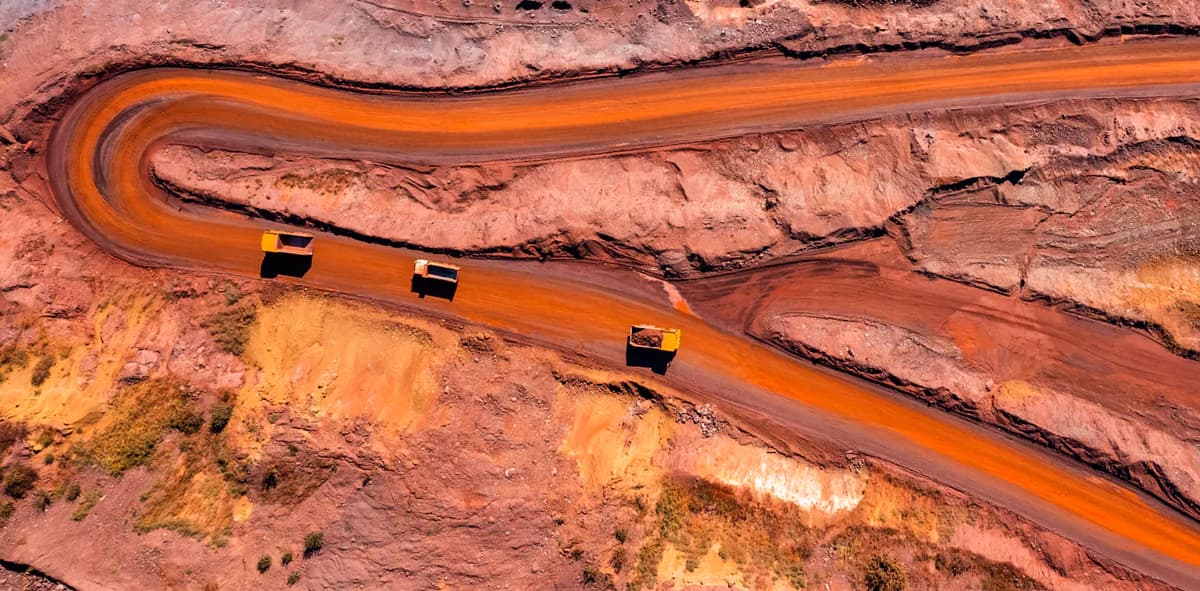
BHP’s recent decision to acquire new diesel trucks, despite publicly committing to a net‑zero pathway by 2050, spotlights the policy’s perverse incentives. The company argues that battery‑electric haul trucks are not yet commercially viable at scale, yet it continues to benefit from the rebate that effectively subsidises its carbon‑intensive assets. Critics argue that the $5 bn (≈$3.3 bn USD) annual rebate to miners undermines Australia’s emissions‑reduction targets and represents a misallocation of public revenue that could instead fund electrification projects, renewable energy integration, or road‑user charges that reflect actual environmental costs.
Policymakers now face a choice: retain a legacy subsidy that entrenches diesel dependence, or redesign the framework to align with climate objectives. Options include tightening eligibility to genuine off‑road agricultural users, introducing a tiered rebate that rewards low‑emission equipment, or redirecting the funds toward a national electric‑haul truck incentive program. Such reforms would not only reduce the fiscal burden—potentially saving billions of dollars—but also accelerate the mining sector’s transition to cleaner technologies, supporting Australia’s broader commitment to net‑zero emissions.
For 44 years, Australia has subsidised diesel use. Is it time to stop?
Comments
Want to join the conversation?
Loading comments...