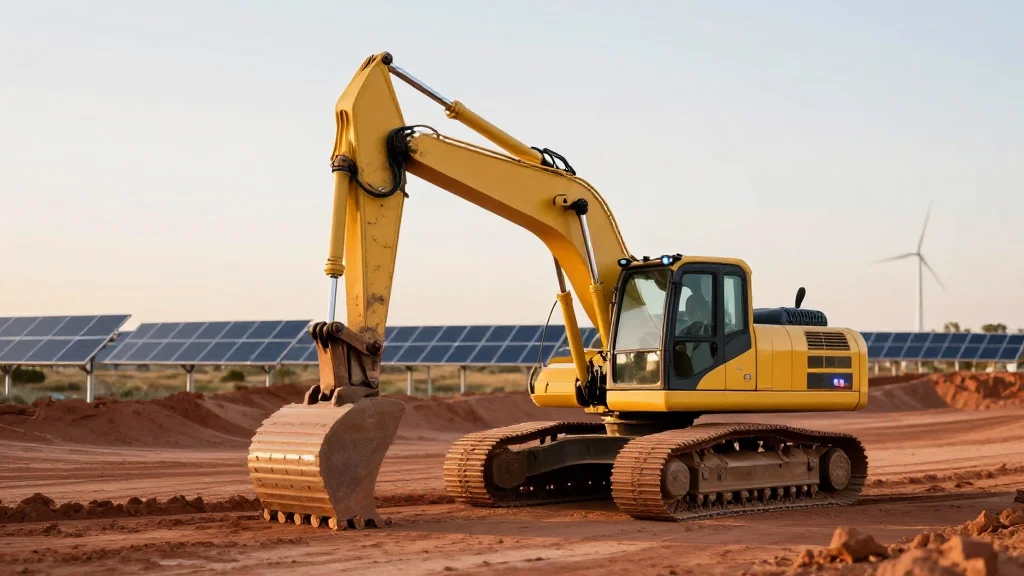
Fortescue Adds Another Electric Excavator, Says It Is Saving a Million Litres of Diesel per Unit
Why It Matters
By cutting roughly a million litres of diesel per excavator, Fortescue reduces operating costs and greenhouse‑gas emissions, accelerating its path to a fossil‑free mining operation by 2030. The rollout demonstrates that large‑scale electric mining equipment is commercially viable, pressuring rivals to adopt similar technologies.
Key Takeaways
- •15th electric excavator added, saving 1M litres diesel annually
- •Fortescue aims for 70 electric excavators, 400 electric haul trucks
- •Solar farms (190 MW, 600 MW) cut diesel use, support electrification
- •“Real zero” target: zero fossil fuel power by 2030
- •Industry watchers note technology proven, economics shifting
Pulse Analysis
Fortescue Metals Group’s latest milestone—adding a 15th electric excavator to its Pilbara fleet—underscores a rapid shift from diesel‑powered machinery to zero‑emission alternatives. Each excavator, tethered to on‑site renewable power, eliminates roughly one million litres of diesel annually, translating into significant cost savings and a measurable drop in carbon output. The company reports that electric equipment has already moved 100 million tonnes of iron ore, proving that high‑capacity digging can be performed at scale without compromising productivity. This operational data challenges the long‑standing belief that heavy‑duty mining must rely on fossil fuels.
The excavators are powered by a growing portfolio of renewable assets, including the 190‑megawatt Cloudbreak solar farm and the forthcoming 600‑megawatt Turner River hub, both slated for completion within months. Fortescue is also piloting “self‑lifting” wind turbines at Nullagine, a precursor to a potential two‑gigawatt wind complex that would bring total renewable capacity toward three gigawatts. Coupled with battery storage, this mix allows continuous power for electric haul trucks and other equipment, while dramatically reducing the company’s 700 million‑litre diesel consumption. The economics are shifting as capital costs for solar and wind fall, making clean power increasingly competitive.
Fortescue’s aggressive electrification agenda sends a clear signal to the broader mining sector and its investors. The target of “real zero” emissions by 2030—no fossil fuels for power, transport, or equipment—places the Australian miner ahead of peers such as BHP and Rio Tinto, which remain cautious about large‑scale electric haul trucks. As the first Liebherr electric trucks arrive later this year, supply chains for batteries, power electronics, and high‑voltage infrastructure will expand, creating new market opportunities. Stakeholders are watching closely, expecting that Fortescue’s proven technology will set a new industry benchmark.
Fortescue adds another electric excavator, says it is saving a million litres of diesel per unit
Comments
Want to join the conversation?
Loading comments...