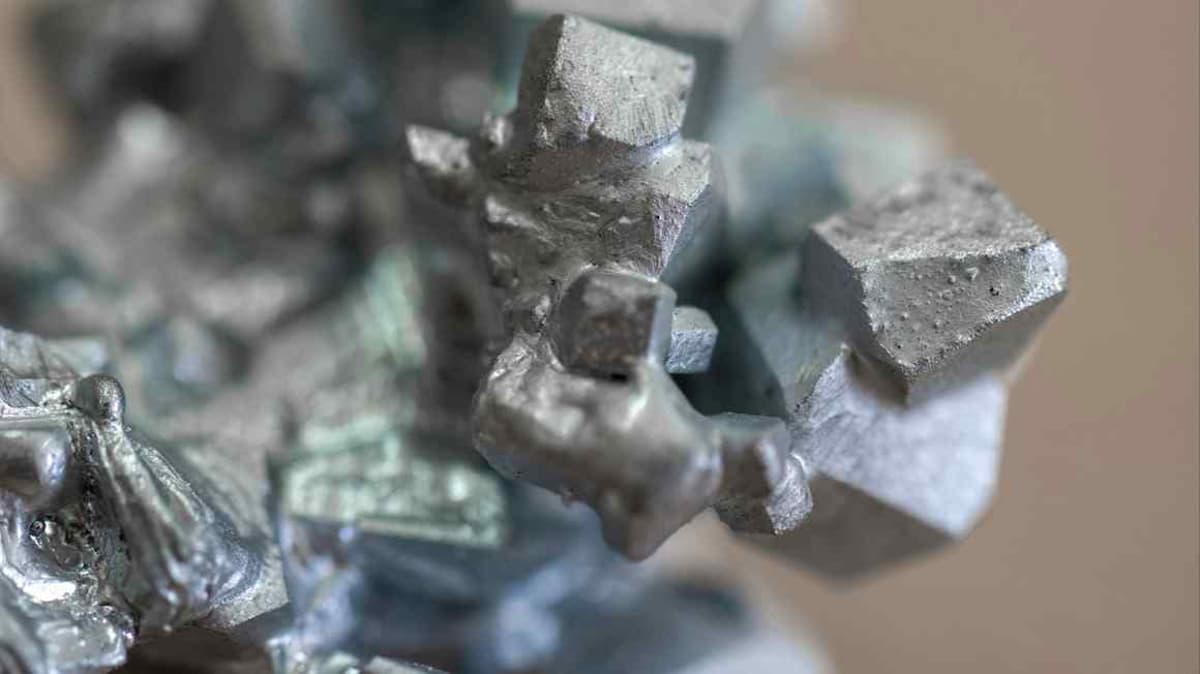
Germany Seeks to Emulate Japan in Shoring up Critical Minerals
•March 9, 2026
0
Why It Matters
Securing critical minerals safeguards Germany’s industrial competitiveness and supports Europe’s climate goals by diversifying supply away from geopolitical risk. The move also positions the EU as a more autonomous player in the global clean‑tech race.
Key Takeaways
- •Germany launches national critical minerals task force.
- •Targeting 10% domestic supply by 2030.
- •Partnerships with Japan for technology sharing.
- •Funding €3 billion for mining and recycling projects.
- •Aligns with EU's raw materials strategy.
Pulse Analysis
Germany’s latest push to emulate Japan’s critical‑minerals playbook reflects a growing consensus that supply security is as strategic as energy. By earmarking €3 billion for domestic extraction, recycling infrastructure and strategic reserves, Berlin aims to close the gap left by decades of reliance on imports, particularly from China. The initiative dovetails with the European Union’s Raw Materials Initiative, which calls for a coordinated approach to diversify sources, develop sustainable mining practices, and foster circular economies across member states.
A cornerstone of the German plan is its partnership with Japan, a nation that has built a robust rare‑earth supply chain after its own resource constraints in the 1970s. Japanese expertise in advanced processing and recycling technologies will accelerate Germany’s ability to turn low‑grade ores into high‑purity materials needed for electric vehicles, wind turbines, and semiconductors. Joint research projects and technology‑transfer agreements are expected to shorten the learning curve for German firms, while joint ventures could open new export markets for both economies.
The broader implications extend beyond industry. Reliable access to lithium, cobalt, nickel and rare earths underpins the EU’s climate‑neutral targets for 2030 and 2050, making the minerals strategy a linchpin of the green transition. Moreover, reducing dependence on geopolitically sensitive supply chains enhances national security and stabilises prices for downstream manufacturers. If Germany’s model proves successful, it could set a template for other EU nations seeking to build resilient, locally‑sourced critical‑materials ecosystems.
Germany seeks to emulate Japan in shoring up critical minerals
0
Comments
Want to join the conversation?
Loading comments...