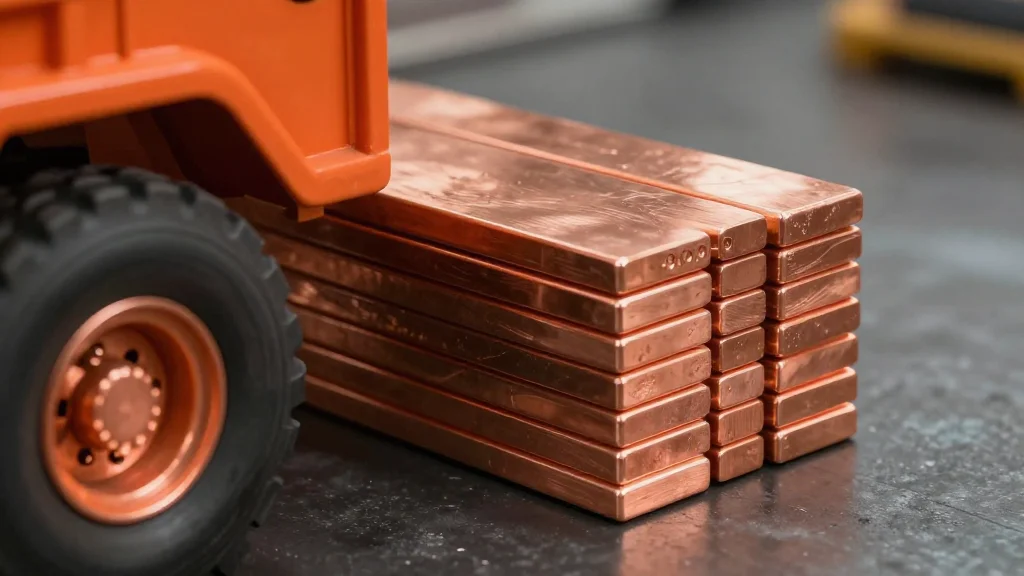
Glencore Q1: African Copper Cathode Surges 68%, Cobalt Production Falls 39% Y-O-Y
Why It Matters
The pivot to copper cathode strengthens Glencore’s exposure to a bullish copper market while limiting cobalt supply, reshaping metal‑price dynamics and influencing downstream battery manufacturers.
Key Takeaways
- •Antimina now Glencore's top copper concentrate source, up 41% YoY.
- •African copper cathode output jumps 68% as DRC assets prioritize copper.
- •Cobalt production falls 39% YoY due to DRC export quota constraints.
- •Total own-sourced copper up 19% despite Mount Isa smelter decline.
- •Zinc concentrate prices soften while copper TC index slips modestly.
Pulse Analysis
Glencore’s Q1 results highlight a strategic realignment toward copper cathode production across its African portfolio, driven largely by the Democratic Republic of Congo’s cobalt export quota introduced in late 2025. By shifting ore sequencing and processing priorities, the company boosted copper cathode output by 68% to 67,900 tonnes, capitalising on higher grades at KCC and Mutanda. This move not only cushions Glencore against tightening cobalt supplies but also positions it to capture upside in copper, a metal benefitting from infrastructure spending and electric‑vehicle demand.
In Peru, the Antamina joint venture has become Glencore’s premier copper concentrate source, delivering 46,300 tonnes—a 41% year‑on‑year rise—while zinc concentrate fell 22% to 22,200 tonnes. The grade‑pivot reflects Antamina’s sequencing toward higher‑copper, lower‑zinc ore, reinforcing Glencore’s ability to optimise its concentrate mix amid mixed market signals. Copper concentrate prices slipped modestly, with the Fastmarkets TC index down $2.20 per tonne, whereas zinc spot concentrate prices weakened further, underscoring divergent supply‑demand dynamics for base metals.
Overall, Glencore’s own‑sourced copper production climbed 19% to 199,600 tonnes, offsetting a 69% drop in custom copper metal from the Mount Isa smelter after the mine’s closure. The company expects full‑year copper output of 810,000‑870,000 tonnes, with a heavier second‑half weighting. Higher commodity prices and a net‑long sulfuric acid position should offset rising input costs from diesel and acid, potentially expanding margins. Glencore’s strategic emphasis on copper and selective reduction of cobalt output signals a broader industry shift toward metals that underpin the energy transition while navigating regulatory constraints in key producing regions.
Glencore Q1: African copper cathode surges 68%, cobalt production falls 39% y-o-y
Comments
Want to join the conversation?
Loading comments...