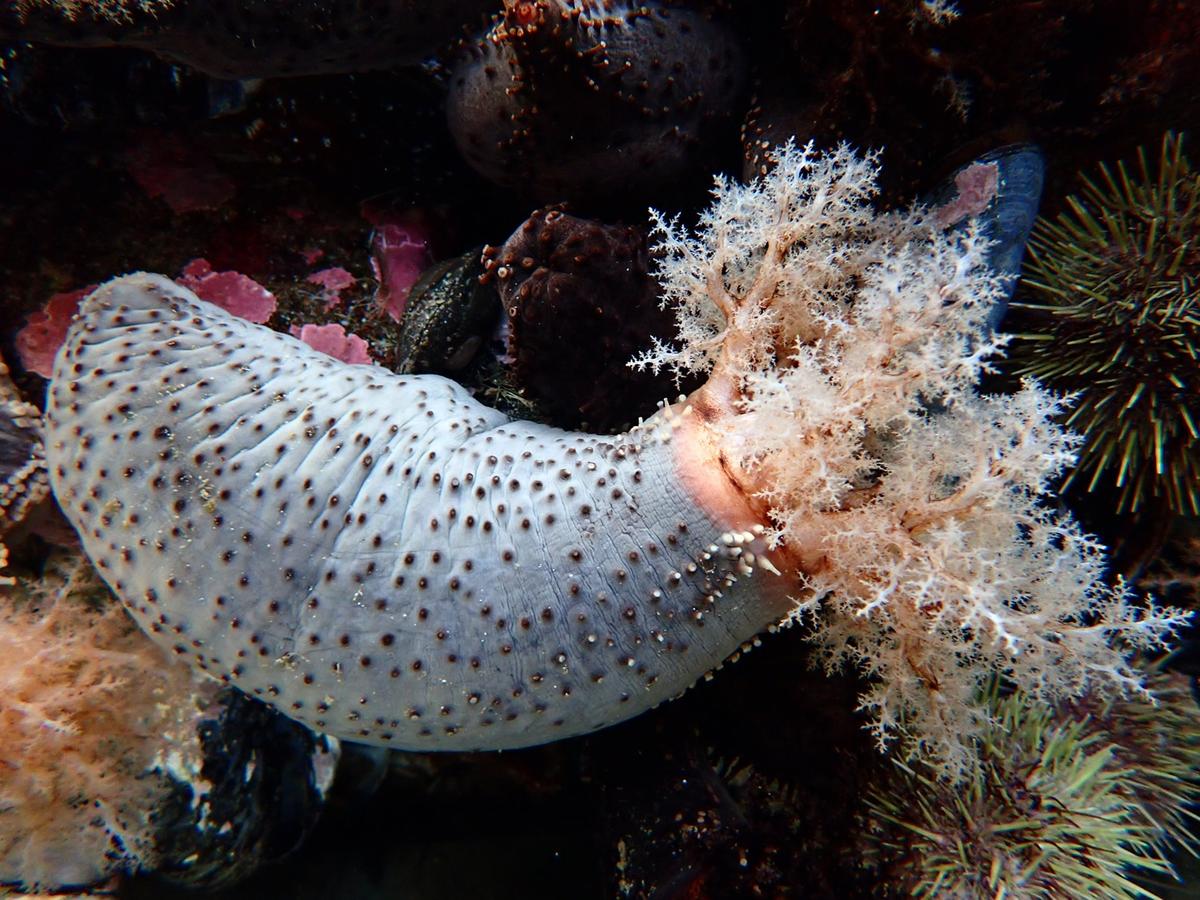
Global Trade in Sea Cucumbers ‘Alarming’ with Many Species at Risk: Study
Why It Matters
Unchecked growth endangers critical marine ecosystem services and the livelihoods of coastal fishers, making urgent policy intervention essential.
Key Takeaways
- •Capture rose 50% from 2013 to 2018, then dipped in pandemic
- •China/Hong Kong are top sea‑cucumber importers by value
- •Japan and Canada rank as leading exporters
- •Trade shift to low‑value deep‑water species accelerates over‑exploitation
- •Species‑specific monitoring hampered by vague customs codes
Pulse Analysis
The sea‑cucumber market has surged over the past decade, driven largely by rising demand in China and Hong Kong where the animal is prized for traditional medicine and festive cuisine. FAO trade statistics reveal a 50% increase in global capture between 2013 and 2018, reaching a peak of 123,300 metric tons. Although the pandemic temporarily reduced volumes, the overall trajectory remains upward, with Japan and Canada emerging as key exporters that supply the Asian market. This growth reflects not only higher consumer appetite but also expanding supply chains that now include frozen and fresh products, complicating traditional dry‑goods trade metrics.
Beyond economics, sea cucumbers perform vital ecological functions as benthic recyclers, converting detritus into nutrient‑rich sediments that support seagrass beds and coral reefs. Overharvesting disrupts these processes, leading to reduced habitat quality and diminished fishery productivity. The study highlights a shift toward harvesting lower‑value, deep‑water species as shallow‑water stocks dwindle, intensifying pressure on previously untapped populations. Monitoring challenges—such as ambiguous customs codes and species‑agnostic reporting—further obscure the true scale of exploitation, hampering conservation efforts and scientific assessments.
Policy responses are now critical. The authors recommend expanding CITES Appendix II listings and improving species‑specific trade coding to enable better enforcement. While aquaculture of high‑value species like Apostichopus japonicus has grown, farmed products rarely cross borders, limiting their impact on global trade data. Strengthening international cooperation, investing in sustainable harvest practices, and enhancing data transparency will be essential to balance market demand with the preservation of marine biodiversity and the economic stability of coastal communities.
Global trade in sea cucumbers ‘alarming’ with many species at risk: Study
Comments
Want to join the conversation?
Loading comments...