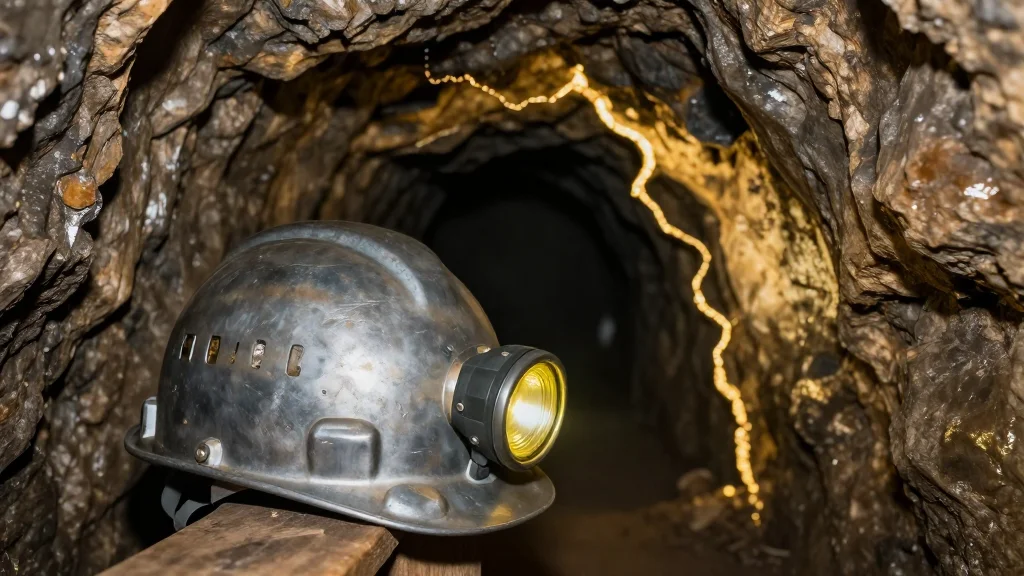
Gold Mine Stops Underground Operations After magnitude-4.5 Earthquake
Companies Mentioned

Why It Matters
The shutdown highlights the vulnerability of large‑scale underground mining to seismic events, potentially affecting gold output and market supply. Investors and regulators will watch Newmont’s response for clues on operational resilience and future risk management.
Key Takeaways
- •Newmont halted Cadia underground mining after a 4.5 magnitude quake.
- •No injuries reported; all underground staff safely evacuated.
- •Previous 4.3 quake in 2017 forced a three‑month shutdown.
- •Inspections underway; production impact uncertain pending assessment.
- •Aftershocks of 2.4 and 2.2 magnitude followed the main event.
Pulse Analysis
The Cadia gold mine, located near Orange in New South Wales, is one of Newmont’s flagship operations and the largest gold producer in Australia. The complex combines open‑pit and underground extraction, delivering roughly 500,000 ounces of gold annually, a figure that places it among the world’s top‑tier mines. On April 15, a magnitude‑4.5 earthquake struck just west of the site, prompting the immediate suspension of all underground activities. The event marked the strongest tremor ever recorded in the Central West region.
Newmont’s rapid evacuation demonstrated the effectiveness of its safety protocols, with every underground worker accounted for and no injuries reported. The mine’s last major seismic disruption occurred in April 2017, when a magnitude‑4.3 quake forced a three‑month underground shutdown and temporarily trimmed output. Current assessments involve specialist engineers inspecting tunnels, ventilation shafts, and support structures before resuming work. While the company has not yet quantified the production loss, any prolonged halt could affect quarterly earnings and tighten global gold supply, given Cadia’s contribution to the market.
The incident underscores the growing awareness of geotechnical risk in Australia’s mining sector, where seismic activity, though infrequent, can trigger costly operational pauses. Regulators are likely to scrutinize Newmont’s post‑event inspection reports, potentially tightening guidelines for underground stability assessments. Investors will monitor the timeline for resumption, as prolonged downtime may pressure share prices and influence capital allocation across the industry. In the longer term, the event may accelerate adoption of real‑time seismic monitoring technologies and reinforce contingency planning for other high‑value mineral projects.
Gold mine stops underground operations after magnitude-4.5 earthquake
Comments
Want to join the conversation?
Loading comments...