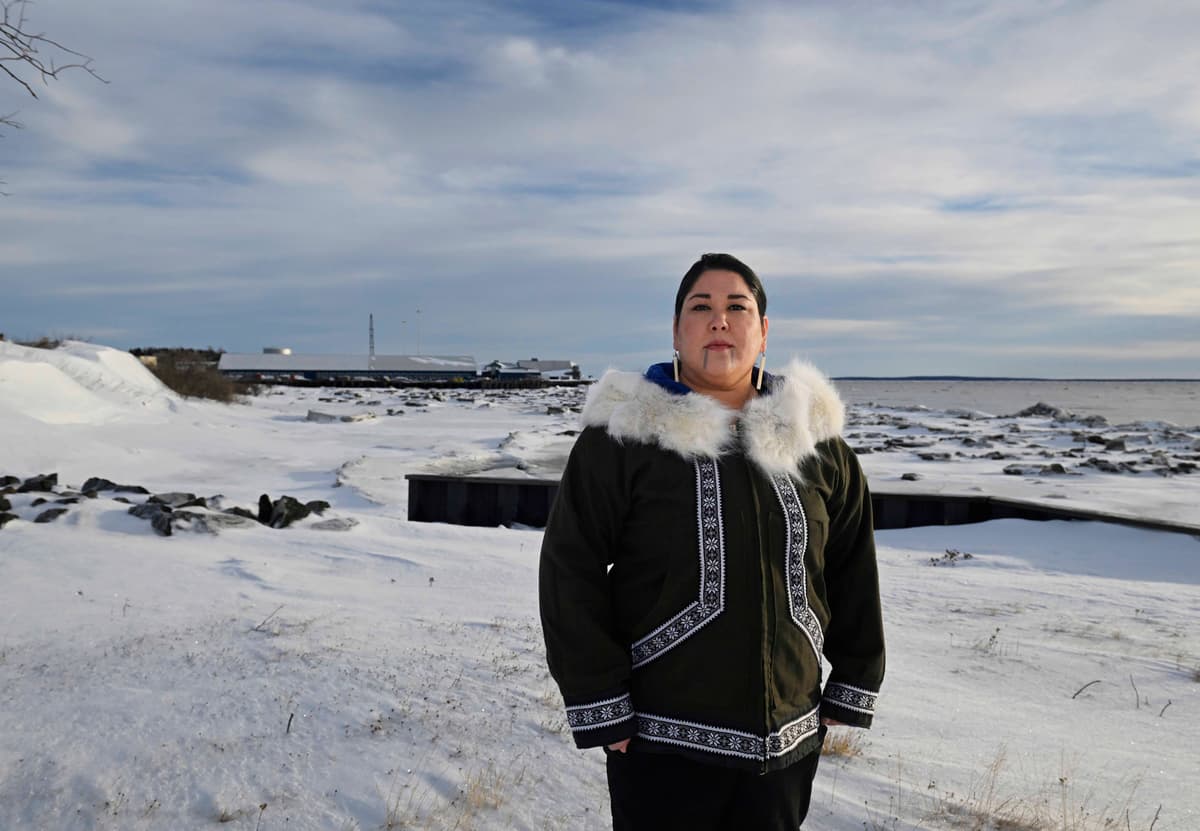
Goldman Prize Winner Alannah Hurley Fights Pebble Mine “From a Place of Love”
Why It Matters
The victory halts a major mining threat to a critical salmon fishery and sets a precedent for tribal-led environmental protection against large‑scale extractive projects.
Key Takeaways
- •Alannah Hurley wins 2026 Goldman Environmental Prize for Pebble Mine opposition
- •EPA vetoed Pebble Mine in 2023; DOJ upheld veto in 2026
- •UTBB pushes state bill to ban metal mining on 10 million hectares
- •Coalition unites Yup’ik, Dena’ina, Alutiiq tribes and national partners
- •Litigation continues as Northern Dynasty challenges EPA veto in federal court
Pulse Analysis
The Pebble Mine saga illustrates how Indigenous leadership can shape national environmental policy. Alannah Hurley’s decades‑long campaign leveraged scientific assessments, federal authority, and grassroots mobilization to secure an EPA veto that protects the Bristol Bay watershed—home to the world’s most productive sockeye salmon fishery. By framing the fight as a matter of cultural survival and ecological stewardship, the United Tribes of Bristol Bay (UTBB) turned a regional dispute into a landmark case for tribal sovereignty and environmental law, drawing attention from policymakers, NGOs, and the broader public.
Beyond the immediate victory, the ongoing litigation underscores the fragility of regulatory wins in a volatile political climate. Northern Dynasty Minerals’ challenge to the EPA decision tests the durability of the Clean Water Act’s protections and could set a legal precedent for future mining projects nationwide. The Department of Justice’s unexpected support for the veto under a Trump administration highlights how strategic litigation and coalition building can create bipartisan footholds, even when executive priorities shift. Stakeholders are watching closely, as the outcome may influence how agencies assess environmental impacts for other high‑risk extractive endeavors.
Looking ahead, UTBB’s strategy expands from defending a single project to pursuing comprehensive watershed legislation. A proposed state bill would ban metal mining across the 10 million‑hectare Bristol Bay Fisheries Reserve, providing a more permanent shield against a wave of pending claims. If enacted, this model could inspire similar protective measures in other ecologically sensitive regions, reinforcing the role of Indigenous coalitions in shaping sustainable resource governance. The Goldman Prize amplifies Hurley’s platform, attracting new allies and funding that could accelerate these broader policy goals, cementing Bristol Bay as a benchmark for collaborative, long‑term environmental stewardship.
Goldman Prize winner Alannah Hurley fights Pebble Mine “from a place of love”
Comments
Want to join the conversation?
Loading comments...