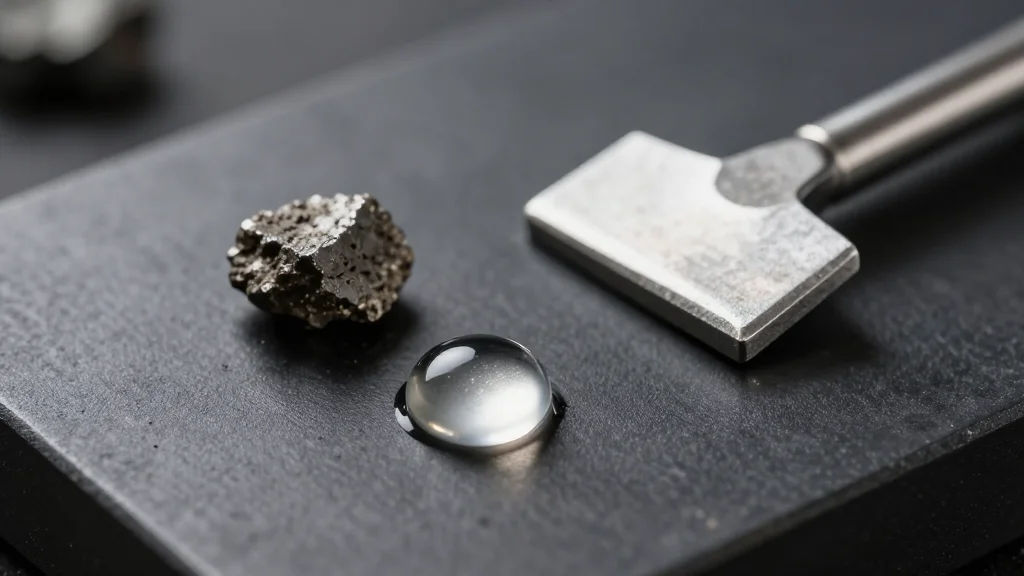
Greek State Grants Metlen €300 Million to Boost Gallium Production and Cut EU Imports

Why It Matters
The investment directly addresses the EU’s strategic vulnerability in gallium, a material essential for next‑generation chips, defense electronics and renewable‑energy technologies. By creating a domestic source, the project reduces exposure to geopolitical risks and potential supply shocks that could disrupt high‑value manufacturing across Europe. Moreover, the public‑private financing model showcases how EU funds can catalyze large‑scale mineral projects, potentially accelerating the continent’s transition to a more self‑sufficient, low‑carbon industrial base. Beyond gallium, the initiative signals a broader shift toward building resilient supply chains for all critical minerals. If Metlen’s plant achieves its targets, it could encourage other member states to replicate the model, fostering a network of European mineral hubs that collectively diminish reliance on non‑EU exporters and align with the EU’s Green Deal and strategic autonomy objectives.
Key Takeaways
- •Greek Interministerial Committee approves €300 million ($348.8 m) gallium expansion by Metlen Energy & Metals.
- •State grants and tax incentives total €118 million ($137.2 m), covering about 39% of the investment.
- •First project under the EU’s CISAF 6.1 aid scheme to receive European Commission clearance.
- •Goal: Reduce EU import dependence on gallium, a critical mineral for semiconductors, defense and AI.
- •Metlen will integrate gallium production with existing bauxite mining and alumina refining operations in Greece.
Pulse Analysis
Metlen’s gallium venture arrives at a pivotal moment for the EU’s industrial policy. The bloc has been scrambling to plug gaps in its critical‑mineral supply chain, a weakness laid bare by recent geopolitical tensions and the pandemic‑induced chip shortage. By leveraging the CISAF 6.1 framework, Greece is not only securing a strategic asset but also testing the efficacy of EU‑backed financing in de‑risking supply chains. The €118 million public contribution demonstrates a willingness to share risk, but it also raises questions about the long‑term fiscal sustainability of such subsidies, especially if projected output falls short of expectations.
From a market perspective, the project could shift the gallium price curve in Europe. Domestic production may lower import‑linked price premiums, benefitting downstream semiconductor firms and potentially attracting new high‑tech investors to the region. However, the success of the plant hinges on securing a reliable feedstock of bauxite and managing the environmental footprint of gallium extraction, which remains a technical challenge. If Metlen can demonstrate a low‑carbon, cost‑effective process, it could set a new benchmark for critical‑mineral projects worldwide.
Strategically, the initiative underscores a broader EU trend: moving from reactive import‑reduction policies to proactive domestic capacity building. While the gallium plant is a single node, its ripple effects could accelerate the development of a European mineral ecosystem, encouraging cross‑border collaborations and standard‑setting for sustainability. The next few years will reveal whether this model can be scaled to other minerals, ultimately reshaping Europe’s position in the global high‑tech supply chain.
Greek State Grants Metlen €300 Million to Boost Gallium Production and Cut EU Imports
Comments
Want to join the conversation?
Loading comments...