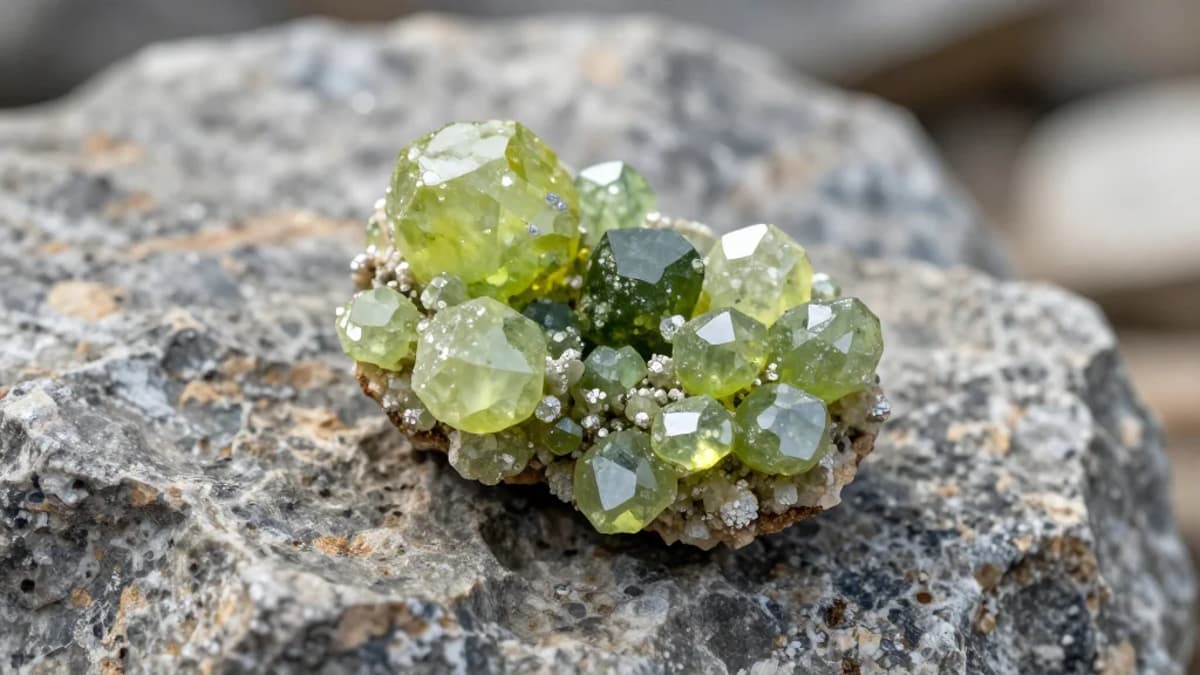
Green & Gold Minerals Rock Chips Reveal Magmatic Heavy Rare Earths at Nutgrove
•March 3, 2026
0
Why It Matters
The discovery validates a magmatic source of heavy rare earths, a scarce and strategic commodity, potentially boosting Green & Gold’s project economics and positioning Australia as a key REE supplier.
Key Takeaways
- •2230ppm HREYO assay highest magmatic REE result at Nutgrove
- •Heavy rare earths constitute 59% of total REE assays
- •New spherulitic rhyolite sample extends prospectivity eastward
- •Basalt-hosted supergene assays show up to 1,605ppm HREYO
- •Drilling and resource updates planned for 2026 across projects
Pulse Analysis
The rare‑earth element market is increasingly driven by demand for heavy REEs such as yttrium, dysprosium and terbium, which are critical for high‑performance magnets and clean‑energy technologies. Historically, most supply has come from China, prompting governments and investors to seek diversified, secure sources. Green & Gold Minerals’ 2,230 ppm HREYO assay signals a rare, high‑grade magmatic deposit in Queensland, offering a domestic alternative that could reduce supply chain risk for downstream manufacturers.
Nutgrove’s geology combines Cenozoic rhyolite flows with brecciated zones, creating a conducive environment for both primary magmatic and secondary supergene REE enrichment. The spherulitic rhyolite host, identified east of earlier drill targets, suggests a broader, possibly continuous mineralised envelope. Meanwhile, basalt‑hosted supergene samples yielding up to 1,605 ppm HREYO indicate that weathering processes have mobilised REEs, opening the prospect for clay‑hosted or ion‑exchange extraction methods that can be more cost‑effective than traditional hard‑rock mining.
Looking ahead, Green & Gold plans petrographic confirmation, expanded mapping and drilling from April 2026, alongside a resource update for its Chillagoe gold project. Successful delineation of a sizable heavy‑REE resource could markedly enhance the company’s valuation and attract strategic partners focused on clean‑technology supply chains. Moreover, the find reinforces Australia’s emerging reputation as a host of world‑class REE deposits, potentially spurring further investment in the nation’s rare‑earth sector.
Green & Gold Minerals rock chips reveal magmatic heavy rare earths at Nutgrove
0
Comments
Want to join the conversation?
Loading comments...