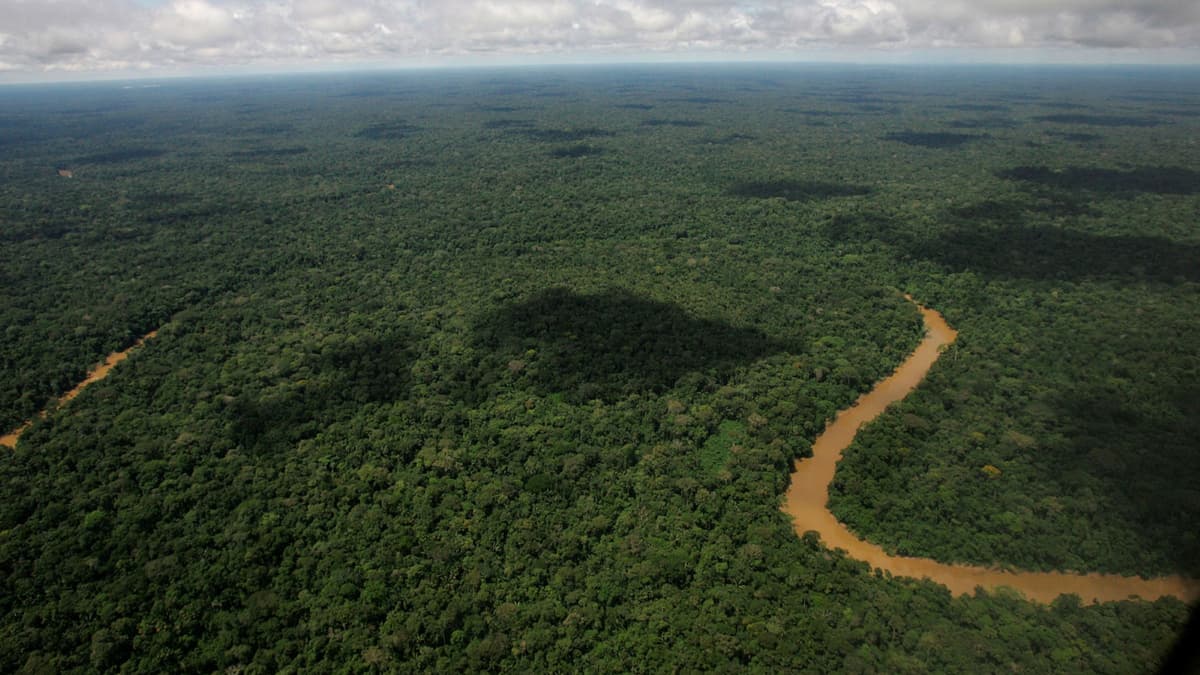
Has Ecuador Started Fracking? New Oil Project Causes Confusion and Concern
Why It Matters
The project could modestly boost Ecuador's oil revenues, which account for over a third of exports, but it also raises fresh environmental and social risks in a fragile Amazon basin, intensifying scrutiny from NGOs and indigenous communities.
Key Takeaways
- •Petroecuador plans hydraulic fracturing in limestone at Block 57, Amazon
- •Project targets 930 barrels per day using Chinese CCDC drilling services
- •Limestone fracking uses less water and pressure than U.S. shale fracking
- •Critics demand water use data and groundwater impact studies
Pulse Analysis
Ecuador’s latest oil initiative underscores a strategic shift as the government seeks to offset declining production after the closure of the controversial Yasuní ITT fields. By deploying hydraulic fracturing on limestone formations—a first for the country—Petroecuador hopes to unlock incremental output without the massive water footprints typical of U.S. shale plays. The partnership with China National Petroleum’s drilling arm reflects a broader trend of Latin American states turning to Asian partners for capital and technical expertise in the energy sector.
Environmental advocates, however, caution that even low‑intensity fracturing can threaten the Amazon’s delicate hydrology. The lack of publicly disclosed water‑usage figures and absent hydrogeological assessments fuels community anxiety, especially among indigenous groups whose livelihoods depend on pristine rivers. While limestone’s higher permeability reduces the need for extreme pressures, the proximity of Block 57 to critical watersheds means any contamination could have outsized ecological consequences, potentially jeopardizing biodiversity and tourism revenues.
From a macroeconomic perspective, the modest 930‑barrel‑per‑day boost represents a fractional slice of Ecuador’s oil export portfolio, which still delivers roughly 37% of national export earnings. Yet the project’s symbolic value may be larger than its volume, signaling to investors that Quito remains committed to oil development despite global decarbonization pressures. Balancing short‑term fiscal needs with long‑term sustainability will require transparent monitoring, robust regulatory frameworks, and accelerated investment in renewable alternatives, which currently lag at an estimated $7 million versus billions funneled into hydrocarbons.
Has Ecuador started fracking? New oil project causes confusion and concern
Comments
Want to join the conversation?
Loading comments...