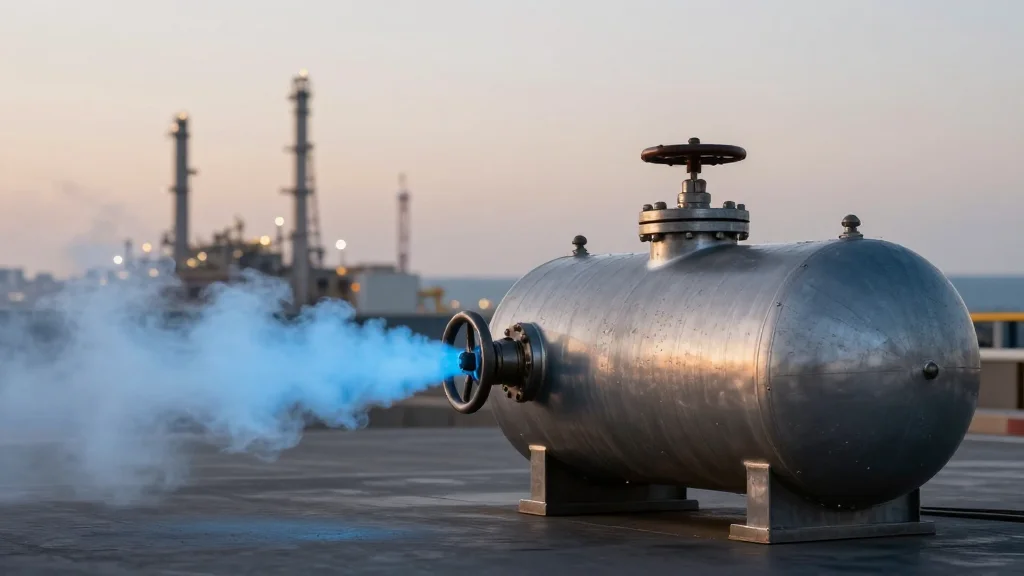
Helium Shortage Triggers Small‑Cap Rally as Investors Bet on Alternatives

Companies Mentioned
Why It Matters
Helium is a non‑renewable resource with no viable recycling path, making supply disruptions a systemic risk for critical infrastructure. The current shortage highlights the fragility of relying on a single geographic source for a gas that underpins medical imaging, advanced semiconductor manufacturing, and space exploration. By forcing capital into new extraction projects, the crisis could diversify the supply base, reducing geopolitical exposure and stabilizing prices over the long term. At the same time, the rapid price escalation is squeezing downstream industries, potentially delaying the rollout of next‑generation AI chips and quantum computers. The ripple effects underscore how a geopolitical event in the Gulf can cascade into technology and healthcare sectors worldwide, reshaping investment strategies across the mining and industrial gases landscape.
Key Takeaways
- •Ras Laffan shutdown and Hormuz blockade cut ~30% of global helium supply
- •Spot price for Grade A helium surged toward $2,000 per thousand cubic feet
- •Five AIM‑listed small‑cap firms (including Helix Exploration) saw shares rise 30‑45% in weeks
- •Helium is essential for MRI scanners, semiconductor lithography, quantum computers, and rockets
- •Analysts forecast a new price equilibrium that could make marginal projects economically viable
Pulse Analysis
The helium crunch is a textbook case of supply‑side risk translating into a rapid reallocation of capital. Historically, helium production has been dominated by a handful of Gulf facilities, a concentration that made the market vulnerable to geopolitical shocks. The current disruption mirrors the 2015 U.S. shale gas boom, where a sudden supply surge forced legacy producers to either innovate or exit. Here, the opposite dynamic is at play: scarcity is driving a rush to develop new fields, but the capital intensity and technical challenges of helium extraction mean that only firms with deep technical expertise and access to stable financing can succeed.
Investors are rewarding companies that can demonstrate near‑term production—Helix’s Montana wells are a prime example—while speculative bets on early‑stage African projects are also gaining traction. This bifurcated market behavior suggests a two‑track development path: short‑term supply relief from North American assets and longer‑term diversification through African and possibly South American projects. The price signal of $2,000 per MCF is high enough to justify the high upfront costs of drilling in remote locations, but it also raises the risk of over‑investment if the supply shock eases faster than expected.
Strategically, the helium shortage could accelerate policy discussions around strategic reserves for critical gases, similar to strategic oil stockpiles. Governments may incentivize domestic production or fund research into helium‑free cooling technologies, which could, in the long run, diminish the market’s dependence on this finite resource. For now, the mining sector’s response to the crisis will be a litmus test of its ability to adapt to geopolitical volatility while meeting the growing demand from high‑tech and medical industries.
Helium Shortage Triggers Small‑Cap Rally as Investors Bet on Alternatives
Comments
Want to join the conversation?
Loading comments...