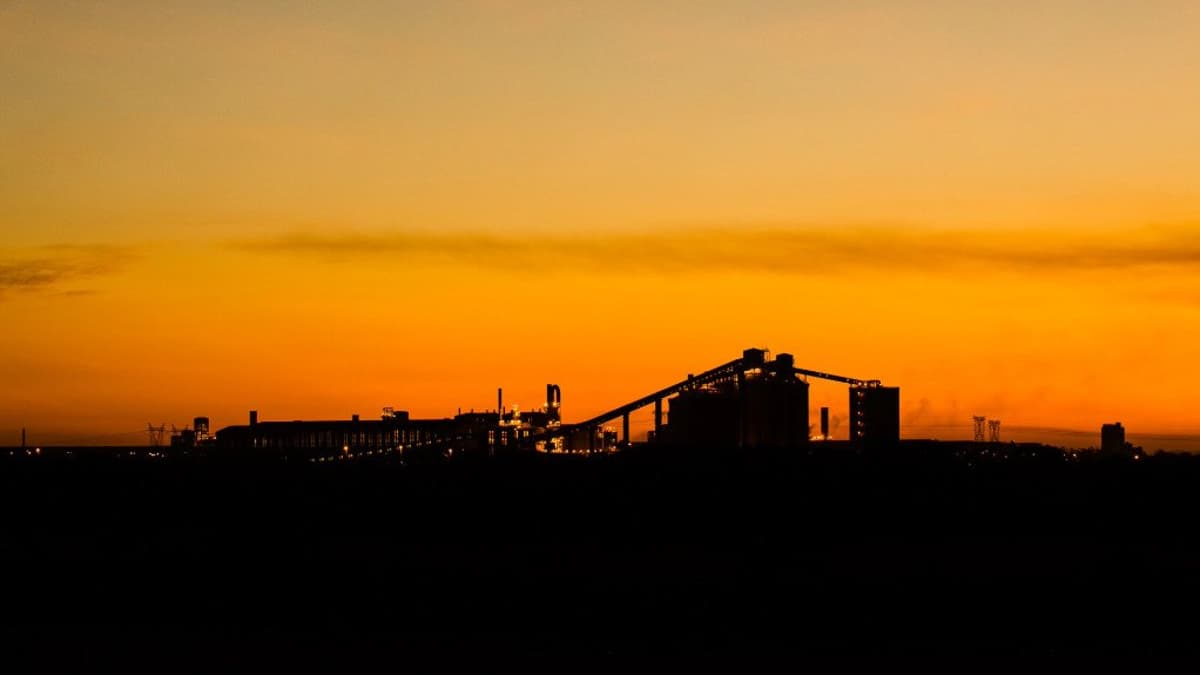
Hillside’s Marks 30 Years Amid Push for Long-Term Power Solution
Companies Mentioned
Why It Matters
A secured power deal would lock in Hillside’s output for decades, preserving jobs, export earnings, and grid reliability while advancing South Africa’s transition to lower‑carbon industry.
Key Takeaways
- •Hillside seeks 20‑30‑year power deal with Eskom
- •Smelter contributed ~R35 bn ($1.9 bn) to GDP 2015‑2024
- •Provides 3,650 jobs; supports 29,000 downstream jobs
- •Largest Eskom industrial customer, stabilizes national grid
- •Exploring solar and wind solutions amid transmission constraints
Pulse Analysis
The Hillside Aluminium smelter’s three‑decade milestone underscores the strategic importance of heavy‑industry anchors in emerging markets. While the plant has delivered nearly $2 billion in GDP contributions, its real leverage lies in the baseload electricity demand that underpins Eskom’s revenue stream. In a country where power shortages have repeatedly throttled manufacturing, a long‑term contract would not only guarantee Hillside’s operational continuity but also provide Eskom with a predictable cash flow to fund grid upgrades and renewable investments.
South Africa’s energy transition is at a crossroads, and Hillside’s move toward solar and wind reflects a broader industry shift away from coal‑intensive power. The primary hurdle remains transmission capacity; the nation’s most abundant renewable resources sit far from the industrial hub of Richards Bay. Overcoming this bottleneck will require coordinated public‑private financing and accelerated grid expansion, aligning with Eskom’s 14,000‑km rollout plan. If successful, Hillside could become a showcase of how legacy heavy‑industry can integrate clean energy without compromising production.
Beyond economics, Hillside’s downstream ambitions—such as the proposed aluminium‑rod plant and dross recycling facility—promise to lock more value locally, creating additional jobs and reducing import reliance. The smelter’s social‑investment programme, which has reached over five million people, further cements its role as a catalyst for regional development. Together, these initiatives illustrate how a single industrial asset can drive employment, export growth, and sustainable energy adoption, positioning South Africa more competitively on the global aluminium market.
Hillside’s marks 30 years amid push for long-term power solution
Comments
Want to join the conversation?
Loading comments...