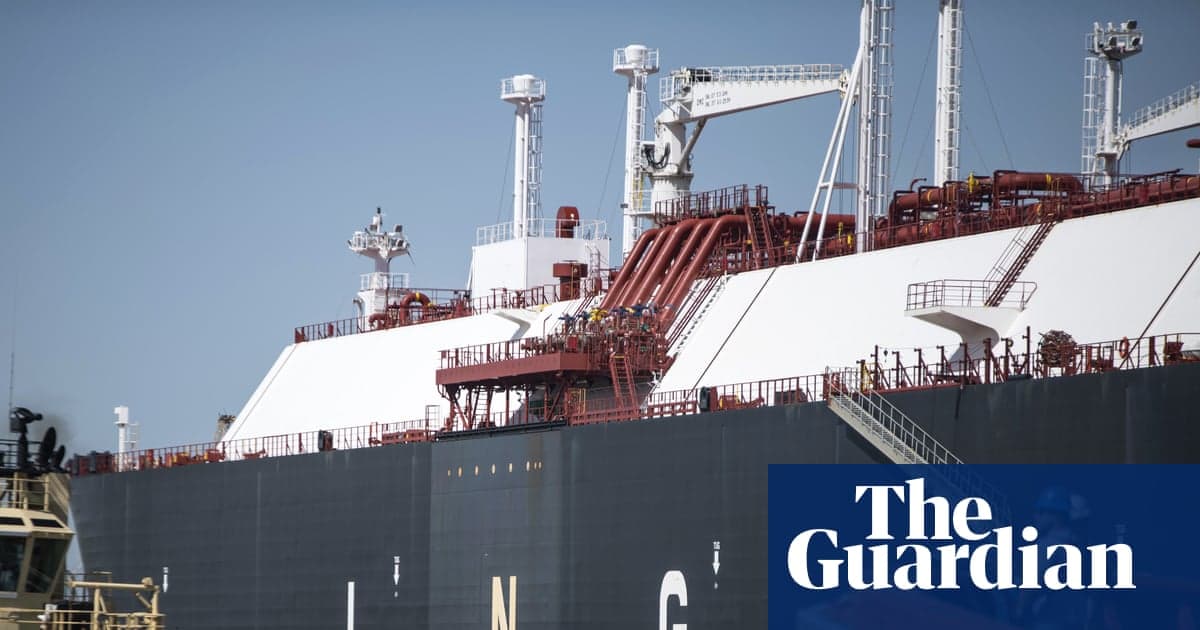
How LNG Interests Are Seeking to Disrupt Global Talks on Decarbonising Shipping
Why It Matters
Delaying the carbon levy weakens global momentum to curb shipping emissions, a sector responsible for roughly 3% of greenhouse gases. The outcome will shape the viability of greener fuels and the broader energy transition.
Key Takeaways
- •LNG tanker orders total 337 new vessels, signaling sector growth
- •Pro‑oil flags like Liberia, Panama shift to oppose IMO carbon levy
- •IMO carbon levy delayed a year after US pressure, undermining climate goals
- •40% of global fleet transports fossil fuels, a key emissions source
- •Oversupply risk for LNG ships under 1.5°C climate scenarios
Pulse Analysis
The LNG market has become a strategic lever in maritime climate policy. While the 2022‑2023 energy shock spurred massive investment in liquefied natural gas infrastructure, the commodity’s dependence on costly, cryogenic vessels makes it vulnerable to geopolitical shocks such as the Hormuz Strait closure. Shipbuilders are now racing to fulfill a pipeline of 337 new LNG carriers, a sign that investors still see gas as a bridge fuel for developing economies, even as the sector faces mounting scrutiny over its carbon intensity.
At the heart of the IMO’s negotiations, pro‑oil flag states and LNG‑heavy nations are leveraging their registration power to sway outcomes. Liberia, Panama, Greece and the Marshall Islands have quietly shifted from supporting stringent emissions rules to backing proposals that dilute the carbon levy. Their stance is amplified by lobbying from the United States, Saudi Arabia and Qatar, whose financial stakes in LNG terminals and financing structures align with preserving the status quo. This coordinated pressure succeeded in pausing the levy for a year, creating a regulatory vacuum that could delay the adoption of alternative fuels such as ammonia, hydrogen or bio‑methanol.
The broader implication for the shipping industry is a bifurcated transition path. While many carriers are already investing in energy‑efficient hull designs and low‑carbon fuels, the persistence of a sizable LNG fleet—potentially oversupplied under 1.5°C scenarios—poses a risk of stranded assets. Policymakers must balance short‑term energy security with long‑term decarbonisation goals, ensuring that any regulatory framework is resilient to industry lobbying. A decisive, enforceable carbon pricing mechanism at the IMO could align commercial incentives with climate objectives, accelerating the shift toward truly zero‑emission maritime transport.
How LNG interests are seeking to disrupt global talks on decarbonising shipping
Comments
Want to join the conversation?
Loading comments...