How Mining Companies Are Innovating to Address Sustainable Tailings Management
Why It Matters
Effective tailings retreatment reduces long‑term ecological risk, safeguards communities, and unlocks financing by meeting stringent ESG standards, positioning South Africa’s mining sector for sustainable growth.
Key Takeaways
- •Gold output in South Africa fell 32% over the past decade
- •ESG criteria now essential for tailings retreatment project financing
- •Real‑time pressure sensors detect pipeline leaks, preventing spills
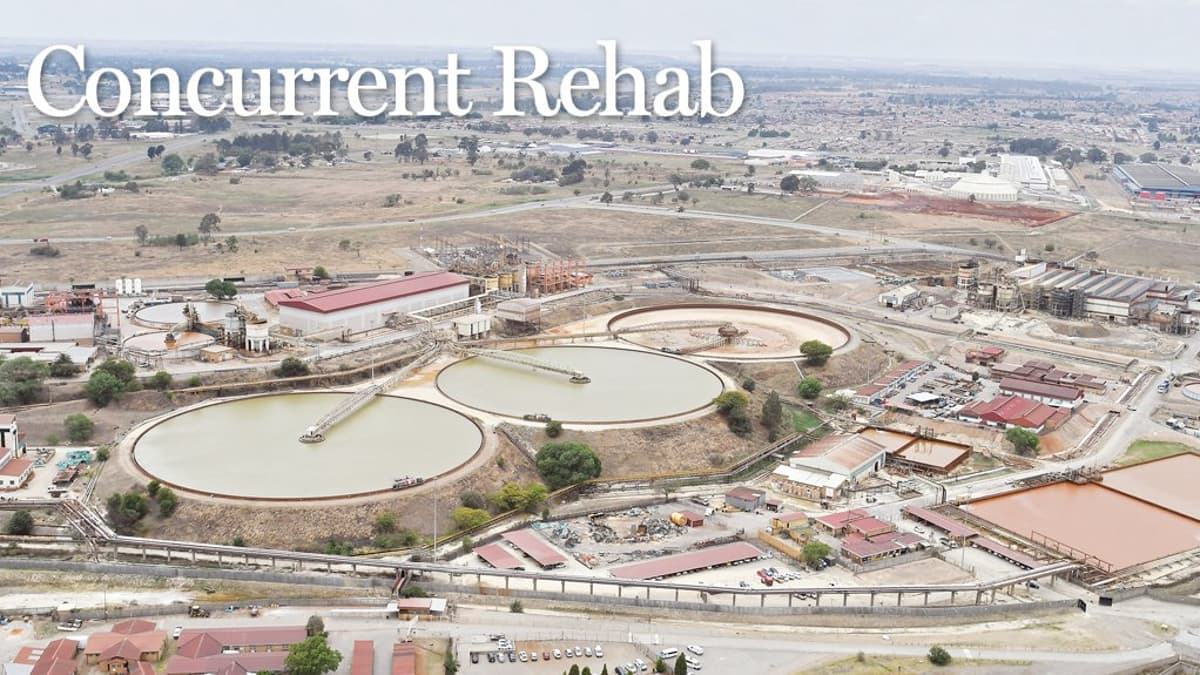
- •Concurrent rehabilitation pairs slurry processing with slope revegetation
- •New South African regulations aim to streamline tailings closure funding
Pulse Analysis
South Africa’s mining legacy has left a sprawling network of tailings dams, many of which were constructed under outdated environmental standards. As gold reserves at depth become cost‑prohibitive, companies like DRDGOLD are shifting to surface‑oriented operations that repurpose tailings as a resource rather than a liability. This transition is driven by a 32% decline in national gold production and the need to secure water and power supplies for large‑volume processing. By treating up to 1.7 million tonnes of material each year, Ergo demonstrates how scale and strategic infrastructure can turn waste into economic value while mitigating legacy pollution.
Technology is at the heart of the new tailings paradigm. DRDGOLD has partnered with a German engineering firm to embed pressure‑sensor algorithms along its 70‑kilometre slurry pipeline, enabling instant leak localisation and rapid response. Integrated SCADA systems, telemetry, and remote‑sensing tools provide continuous oversight of dam stability, water quality, and biodiversity outcomes. Concurrent rehabilitation—simultaneously processing tailings and revegetating slopes—reduces closure costs and delivers measurable environmental benefits, such as improved air and water metrics and enhanced community acceptance.
Regulatory and financial frameworks are evolving to support these innovations. South African policymakers are drafting legislation that clarifies closure‑funding obligations, addressing what industry leaders call “the elephant in the room.” Robust ESG criteria are now a prerequisite for project financing, compelling miners to embed social licence considerations, community engagement, and transparent reporting into their business models. As global investors prioritize sustainability, South Africa’s advanced regulatory environment—described as “up there with the best in the world”—offers a compelling case study for other jurisdictions seeking to balance mineral extraction with environmental stewardship.
How mining companies are innovating to address sustainable tailings management
Comments
Want to join the conversation?
Loading comments...