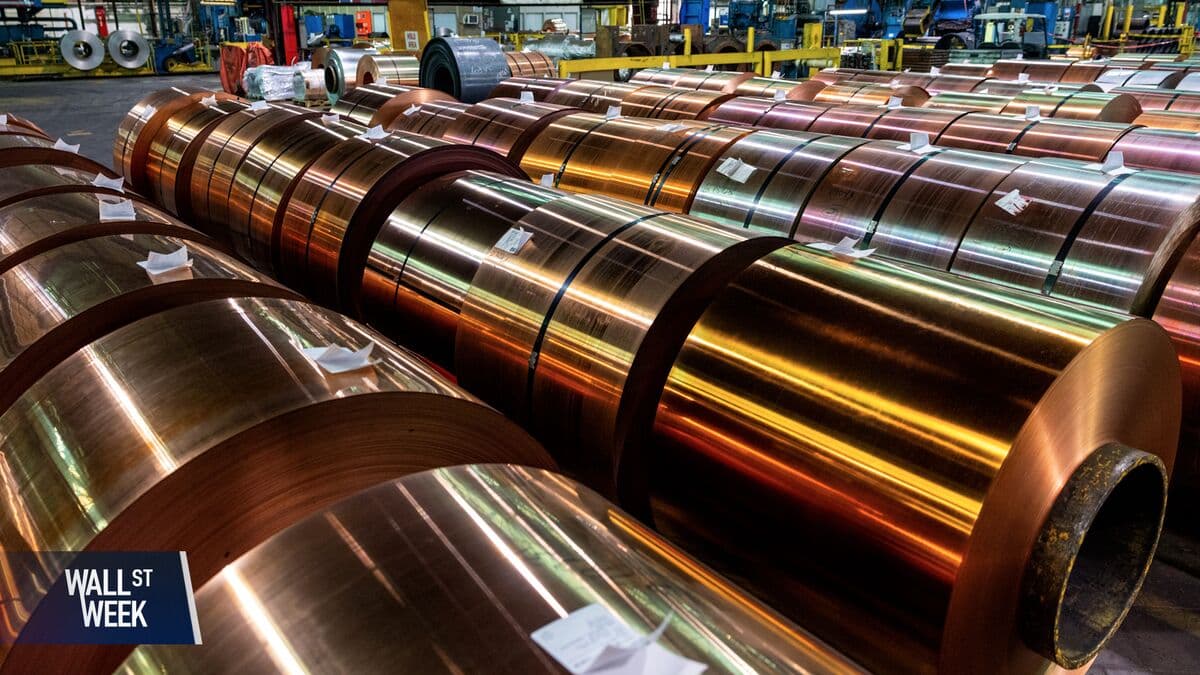
How the AI Boom Is Fueling the US Copper Race
Companies Mentioned
Why It Matters
A domestic copper shortfall threatens the growth of AI data centers and clean‑energy infrastructure, creating a national‑security risk and a lucrative investment theme. Closing the gap is essential for the U.S. to sustain its technological edge and reduce dependence on foreign processors.
Key Takeaways
- •Resolution Mine could supply ~25% of US copper demand over 40 years
- •US smelting capacity fell to two plants, increasing reliance on imports
- •Data‑center CAPEX of $700 billion outpaces mining investment by tenfold
- •Recycling adds 35,000 tons of copper annually but can't close 1 million‑ton gap
- •Regulatory delays add ~29 years from discovery to production, double global average
Pulse Analysis
The AI boom is reshaping the metals landscape, with copper emerging as the linchpin of electrified data centers, power grids, and defense systems. As hyperscale operators pour roughly $700 billion into new facilities, each center can consume up to 50,000 tons of copper, far outstripping the modest output of America’s aging mines. This mismatch amplifies price pressure and forces utilities to import refined copper, primarily from China, which now refines more than 45% of the world’s supply. The strategic implications extend beyond cost; a reliable copper supply underpins the nation’s energy transition and digital sovereignty.
Domestic supply constraints are rooted in both geology and policy. The Resolution Copper project in Arizona, with an estimated 40 billion‑pound reserve, could meet about a quarter of U.S. demand over four decades, yet it took nearly 29 years from discovery to approval—double the global average. Meanwhile, U.S. smelting capacity has dwindled from 16 plants in the 1980s to just two today, pushing roughly 57% of refined copper used domestically to foreign processors. China’s dominance in ore concentration and refining creates a vulnerable supply chain, especially as the Pentagon and tech firms label copper a critical mineral for national security.
Investors and policymakers are eyeing a multi‑pronged remedy. Recycling initiatives, such as Aurubis’s Georgia plant, now process 90,000 tons of scrap annually, but even an expanded capacity of 180,000 tons falls short of the estimated one‑million‑ton annual deficit. Accelerating permitting, incentivizing new smelters, and fostering public‑private partnerships could shave years off project timelines. As copper prices hover near historic highs, the sector presents both risk and opportunity: firms that secure upstream assets or pioneer low‑carbon extraction methods stand to benefit, while the broader economy depends on swift action to keep the AI‑driven growth engine humming.
How the AI Boom is Fueling the US Copper Race
Comments
Want to join the conversation?
Loading comments...