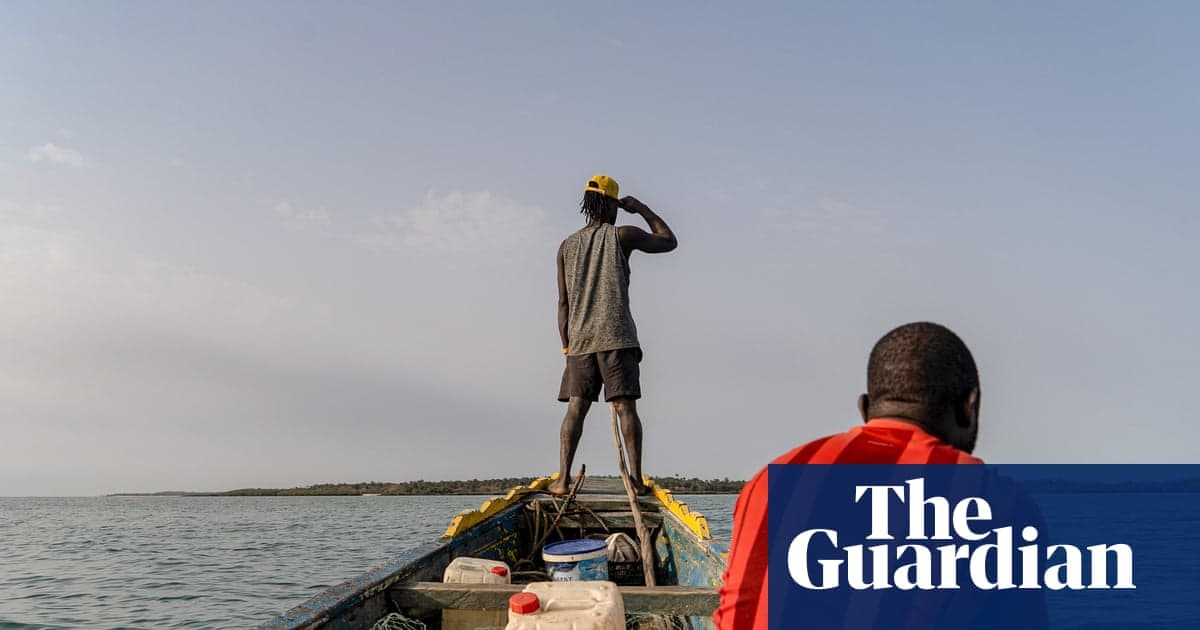
How the ‘Galápagos of West Africa’ Is Plundered by Floating Fish Factories
•March 9, 2026
0
Why It Matters
The illegal fish‑meal operations undermine biodiversity, jeopardize the livelihoods of thousands of coastal families, and introduce unsustainable products into international markets, prompting urgent regulatory action.
Key Takeaways
- •Illegal floating factories process hundreds of thousands tonnes fishmeal
- •Turkish seiners disable AIS to transship inside protected waters
- •Artisanal fishers lose income, face food insecurity
- •Fishmeal exported to EU, South America, feeding aquaculture
- •Government bans fishmeal production, enforcement capacity remains limited
Pulse Analysis
The surge of offshore fish‑meal factories in Guinea‑Bissau reflects a broader shift in West African fisheries, where distant‑water fleets exploit under‑regulated waters to meet global demand for animal feed. Satellite tracking and investigative reporting have exposed vessels like Hua Xin 17 and Tian Yi He 6 operating just beyond the legal limit, while Turkish purse seiners supply them with sardinella harvested inside the Bijagós marine protected area. By turning fresh pelagic fish into high‑value fish‑oil and meal, these operations bypass local processing, erode the region’s ecological resilience, and siphon protein that would otherwise sustain coastal communities.
For local fishers, the consequences are immediate and severe. The only ice factory on Bubaque remains broken, forcing artisanal crews to travel 70 km to the mainland for ice—a six‑hour round trip that inflates costs and reduces freshness. With sardinella diverted to fish‑meal, market supplies dwindle, prices rise, and the informal sector, which employs roughly 225,000 people, faces shrinking incomes. Nutritionally, sardinella provides essential omega‑3 fatty acids for a population where 22 % suffer from malnutrition, making the illegal extraction a direct threat to food security and public health.
Internationally, the fish‑meal from these floating factories is infiltrating supply chains that feed salmon farms in Chile and shrimp feed producers linked to Dutch conglomerate Nutreco. The lack of traceability allows IUU‑caught fish to enter the EU market without proper documentation, raising compliance concerns for regulators and sustainability advocates. Guinea‑Bissau’s recent ban on fish‑meal production signals political will, yet the country’s limited maritime enforcement capacity raises doubts about effectiveness. Strengthening satellite monitoring, improving local cold‑storage infrastructure, and fostering transparent trade certifications are essential steps to curb illegal transshipment, protect the Bijagós ecosystem, and safeguard the livelihoods of West Africa’s coastal fishers.
How the ‘Galápagos of west Africa’ is plundered by floating fish factories
0
Comments
Want to join the conversation?
Loading comments...