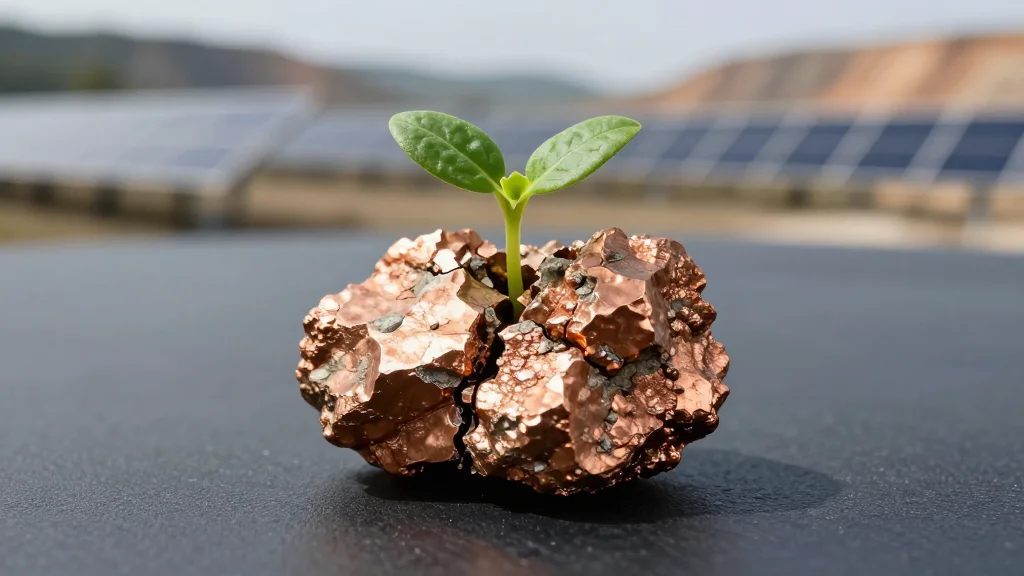
How to Think About the Extractive Problem of Lithium Mining
Why It Matters
Lithium’s pivotal role in the green transition makes its extraction a geopolitical and ethical flashpoint, affecting climate goals, supply‑chain stability, and the rights of vulnerable communities.
Key Takeaways
- •Atacama supplies ~20% of global lithium, fueling EV boom
- •Mining threatens flamingos, fresh water, and Indigenous livelihoods
- •SQM and Albemarle dominate Chilean lithium extraction
- •Community consultations only began in 2023, highlighting governance gaps
Pulse Analysis
The rapid rise of electric vehicles has turned lithium into a strategic commodity, reshaping global supply chains. By 2025, EVs will account for over 20% of new car sales, pushing producers to secure lithium sources that can meet battery demand. While the metal enables decarbonization of transport and grid storage, its extraction concentrates in arid regions like Chile’s Salar de Atacama, where a single salt flat supplies a fifth of the world’s supply. This geographic concentration creates both market leverage for major miners and heightened environmental scrutiny.
In the Atacama, large‑scale brine pumping disrupts fragile ecosystems and diverts scarce fresh water away from Indigenous farms. Flamingo populations are declining as mining infrastructure fragments breeding habitats, and local communities have historically been excluded from meaningful consultation. The two dominant players—SQM, a Chilean multinational, and Albemarle, a U.S. firm—control most of the output and shape regulatory frameworks to protect their interests. Only in 2023 did Chile’s government initiate formal dialogue with Indigenous groups, underscoring a legacy of governance gaps that amplify social tension and risk of protest.
The broader lesson for policymakers and investors is clear: a sustainable energy transition cannot rely solely on scaling lithium production without addressing its social and ecological costs. Diversifying battery chemistries, investing in recycling, and supporting community‑led monitoring can reduce pressure on vulnerable regions. Moreover, embedding fair‑benefit agreements and transparent water‑use accounting into mining contracts can help align profit motives with environmental justice, ensuring that the climate benefits of electric mobility are not offset by new forms of exploitation.
How to Think About the Extractive Problem of Lithium Mining
Comments
Want to join the conversation?
Loading comments...