I’d Rather We Didn’t Build a Potentially Toxic Mine on Minnesota Public Lands
Why It Matters
Stopping the mine could preserve one of the nation’s most valuable freshwater ecosystems, while the other state fights illustrate how local activism increasingly drives policy on animal welfare, judicial composition and health care access.
Key Takeaways
- •Twin Metals’ copper‑nickel mine threatens Boundary Waters water quality
- •Minnesota governor can halt the project via state permitting authority
- •Tribal and environmental coalitions echo Keystone XL opposition tactics
- •Wisconsin beagle protest sparked police tear‑gas deployment
- •Supreme‑court races in 32 states will affect abortion and voting rights
Pulse Analysis
The Boundary Waters of northern Minnesota represent a rare convergence of ecological, recreational and economic value. A proposed copper‑nickel mine by Chile‑owned Twin Metals promises to extract millions of tons of ore, but critics warn that sulfide‑rich waste could leach acid and heavy metals into the Superior National Forest’s watershed. The region supports a $1 billion‑plus tourism industry, and any contamination would jeopardize fishing, canoeing and the broader regional economy. By framing the debate around clean‑water protection, opponents have tapped into a powerful narrative that resonates with both local residents and national environmental advocates.
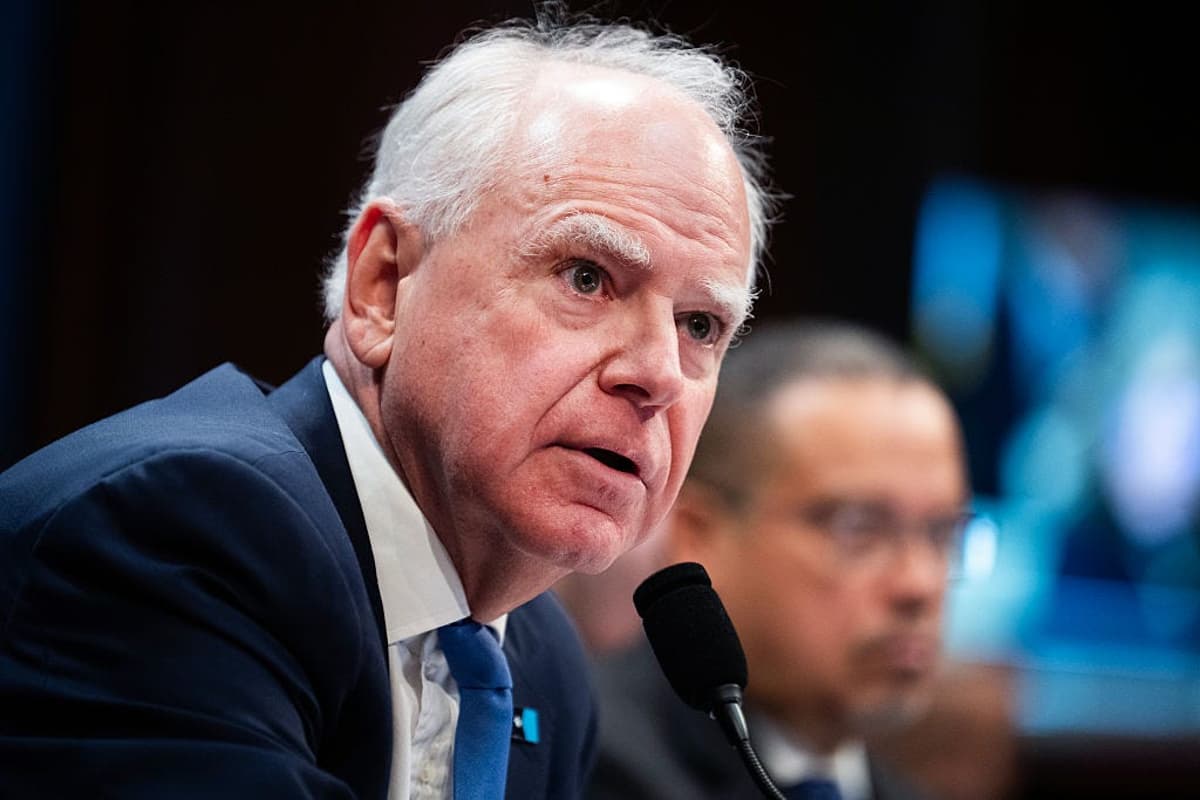
State officials, especially Governor Tim Walz, wield considerable leverage through Minnesota’s permitting process. The state can deny or delay key permits, invoke stringent water‑quality standards, and pursue legal challenges that could stall the project for years. Indigenous nations, whose treaty rights guarantee access to unpolluted water, have joined the coalition, recalling the successful grassroots campaign that halted the Keystone XL pipeline. This alliance underscores a growing trend: state and tribal entities using legal authority and public pressure to counter federal‑level resource development when local stakes are high.
The Minnesota fight is part of a broader pattern of subnational activism shaping U.S. policy. In Wisconsin, animal‑rights activists confronted a beagle breeding facility, prompting a forceful police response that highlighted tensions between protest rights and law‑enforcement tactics. Simultaneously, 32 states are holding supreme‑court elections that will influence abortion jurisprudence, redistricting and labor rules, while Oklahoma’s legislative dispute with the Cherokee Nation over Medicaid reforms illustrates the complex interplay of state governance and tribal sovereignty. Together, these stories reveal how localized battles are increasingly dictating national outcomes across environmental, judicial and health‑care arenas.
I’d Rather We Didn’t Build a Potentially Toxic Mine on Minnesota Public Lands
Comments
Want to join the conversation?
Loading comments...