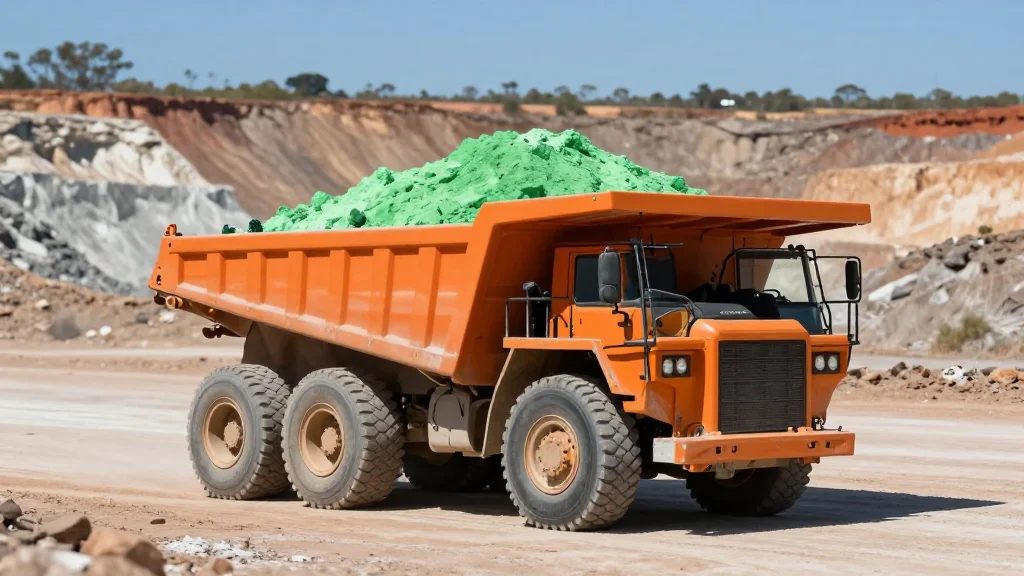
IGO Cuts Greenbushes Lithium Output by 270,000 Tonnes, Sparking Supply Concerns

Companies Mentioned
Why It Matters
The Greenbushes downgrade underscores the fragility of relying on a handful of large hard‑rock mines to meet the exploding demand for lithium in electric‑vehicle batteries. A 13% cut in output tightens global supply, potentially accelerating price spikes that could affect EV pricing and the economics of battery manufacturers. Moreover, the episode highlights operational risk as a critical factor for investors, prompting a re‑evaluation of the risk‑adjusted returns of lithium mining assets. For policymakers, the incident adds urgency to initiatives aimed at expanding the supply base, including fast‑track approvals for new projects and incentives for recycling and alternative chemistries. The market’s reaction also signals that investors are demanding greater transparency and resilience from mining operators, which could shape future capital allocation in the sector.
Key Takeaways
- •IGO reduced Greenbushes guidance to 1.38‑1.43 Mt, a 270,000‑tonne shortfall.
- •The cut equals a 13% reduction at the upper end of prior guidance.
- •IGO shares fell 14% intraday, the steepest drop since September.
- •Underlying earnings before tax rose to ~US$78 M from ~US$20 M YoY.
- •Analysts warn the shortfall could lift lithium prices and spur supply diversification.
Pulse Analysis
The Greenbushes downgrade arrives at a pivotal moment for the lithium market, where demand from EV manufacturers is outpacing supply growth. Historically, the sector has leaned heavily on a few flagship projects—Pilbara, Salar de Atacama, and Greenbushes—to set the tone for global pricing. When one of these pillars falters, the ripple effect is immediate, as seen by the 14% share slide and heightened price volatility. This pattern mirrors earlier disruptions in the copper and nickel markets, where operational setbacks at major mines forced a rapid re‑pricing of commodities and spurred investment in alternative sources.
From an investment perspective, the episode reinforces the importance of operational resilience as a valuation metric. While IGO’s earnings benefited from a price tailwind, the underlying production risk has now been priced into the stock, as reflected in the sharp decline. Asset managers may begin to favor projects with diversified processing streams or those that have demonstrated robust maintenance regimes, potentially shifting capital toward junior explorers with lower exposure to systemic plant issues.
Strategically, battery manufacturers are likely to accelerate supply‑chain diversification. Companies that have previously relied on a single hard‑rock source may now increase contracts with brine producers in South America or explore recycling pathways to hedge against similar disruptions. In the longer term, the incident could catalyze policy action aimed at expanding the domestic lithium supply chain in key markets, reducing dependence on a narrow set of producers and enhancing overall sector stability.
IGO cuts Greenbushes lithium output by 270,000 tonnes, sparking supply concerns
Comments
Want to join the conversation?
Loading comments...