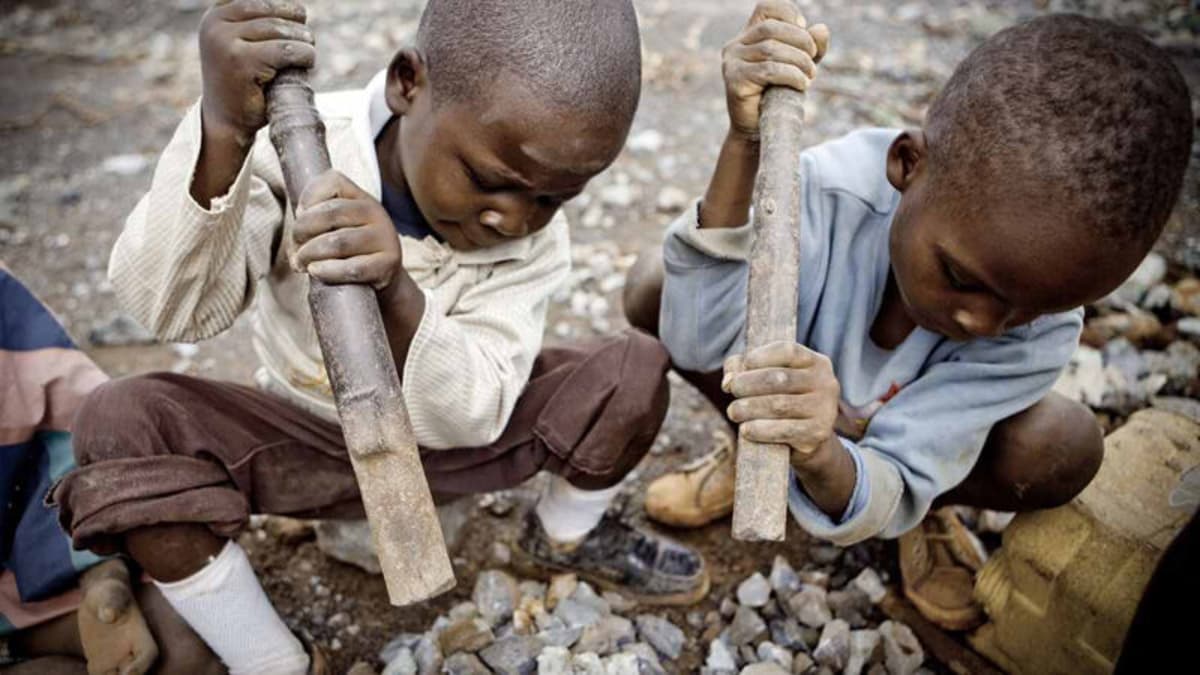
Illegal Mining and Child Labor Concerns Raised in Bas-Uélé Province
•March 10, 2026
0
Why It Matters
The escalation of illegal mining and child labor threatens DRC’s resource governance and exposes multinational investors to ESG risks, while undermining regional stability.
Key Takeaways
- •Illegal mining expands in Bas‑Uélé province
- •Child labor used in artisanal mines
- •Government urged to boost security presence
- •Local development needed to curb exploitation
- •Youth recruitment drives sent to Kinshasa
Pulse Analysis
The Democratic Republic of Congo remains a global source of copper, cobalt and other critical minerals, but much of its output comes from informal artisanal operations that evade regulation. In Bas‑Uélé, the second‑largest province by area, illegal mining has surged as state oversight falters, creating a fertile ground for child labor. International watchdogs have long flagged the humanitarian toll of such practices, linking them to supply‑chain compliance challenges for tech and automotive firms that rely on responsibly sourced minerals.
Security deficiencies compound the governance crisis. Mutuale’s observations underscore a chronic shortage of FARDC troops and inadequate support for those deployed in remote border zones. Recent mobilization campaigns have dispatched hundreds of young recruits to Kinshasa for training, yet without sustained logistical investment, the military’s capacity to enforce mining permits and protect communities remains limited. Strengthening the security footprint is essential not only for curbing illicit extraction but also for safeguarding the province’s broader economic potential.
For investors and policymakers, the Bas‑Uélé situation signals a pressing need for integrated interventions. Robust state monitoring, coupled with targeted development programs—such as education, alternative livelihoods, and infrastructure upgrades—can diminish the allure of child labor and illegal mining. Aligning these efforts with international ESG standards will help DRC meet global demand for conflict‑free minerals while fostering social stability and long‑term growth.
Illegal Mining and Child Labor Concerns Raised in Bas-Uélé Province
0
Comments
Want to join the conversation?
Loading comments...