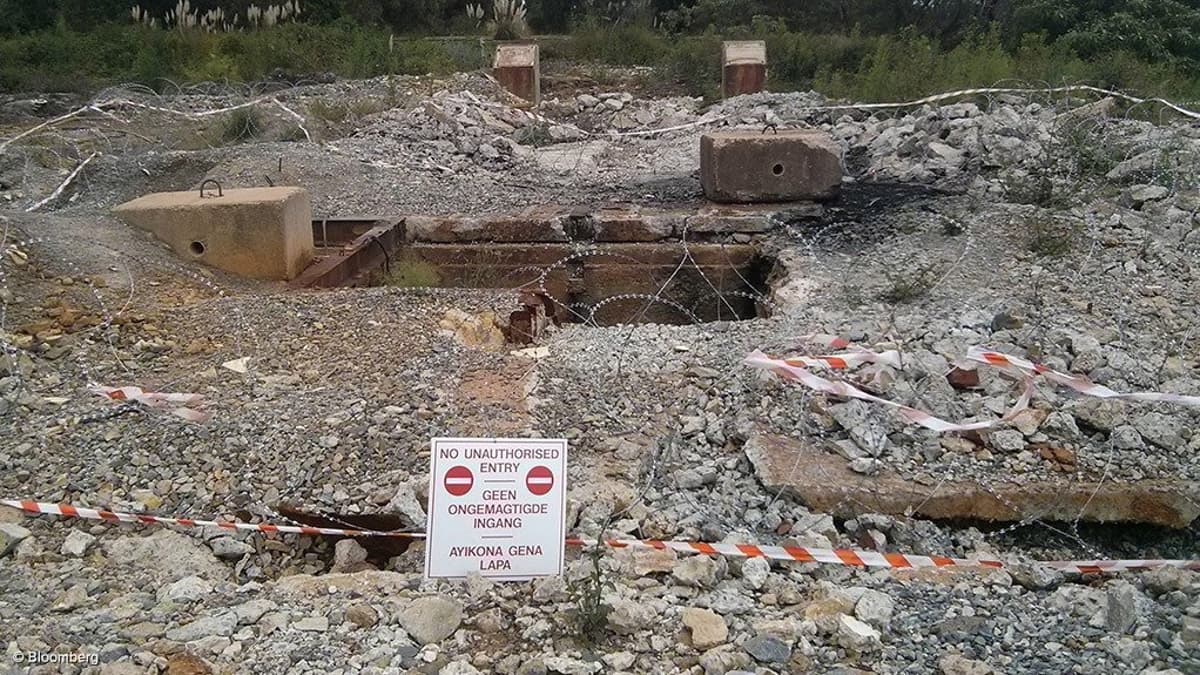
Illegal Mining More than Just a Law Enforcement Issue, Research Fellow Says
Why It Matters
Understanding illegal mining as a socio‑economic issue rather than only a criminal problem can guide more effective policies, reduce violence, and improve governance in South Africa’s mining regions.
Key Takeaways
- •Illegal miners are both victims of systemic poverty and perpetrators of violence
- •Structural unemployment and deindustrialisation drive people into illegal mining
- •Enforcement-heavy policing fails to address root socioeconomic causes
- •Policy should differentiate survival-driven miners from organized crime networks
- •Formalisation must be inclusive to avoid further dehumanisation
Pulse Analysis
South Africa’s informal mining sector, colloquially known as ‘zama zamas’, has long been framed as a criminal problem. Dr. Kennedy Manduna, a post‑doctoral fellow at UNISA’s Centre of Excellence, argues that this framing masks deeper structural forces—high unemployment, migration pressures, and the collapse of formal mining jobs—that push individuals into dangerous extraction activities. By positioning miners on a ‘victim‑perpetrator’ spectrum, Manduna highlights how socioeconomic deprivation and state neglect create a feedback loop of violence and illegality.
Manduna warns that heavy‑handed policing and militarised raids address only the symptoms, not the causes, of illegal mining. The illicit value chain extends beyond the miners themselves to include middlemen, smelters, and overseas buyers who profit from unregulated minerals. Treating the issue solely as a law‑enforcement matter overlooks these networks and reinforces xenophobic narratives, especially as many arrested workers are undocumented migrants from neighboring countries. A nuanced policy response must therefore separate survival‑driven extraction from organized crime and target the broader market mechanisms that sustain it.
The research calls for inclusive formalisation strategies that recognize the economic realities of miners while protecting communities from exploitation. Such approaches could involve community‑led licensing, transparent revenue sharing, and social safety nets that reduce reliance on illegal extraction. By shifting the debate from punitive measures to systemic reform, South Africa can mitigate violence, improve governance, and set a precedent for other resource‑rich regions grappling with similar informal economies. The broader lesson is clear: sustainable solutions require addressing the root socioeconomic drivers, not just the visible actors.
Illegal mining more than just a law enforcement issue, research fellow says
Comments
Want to join the conversation?
Loading comments...