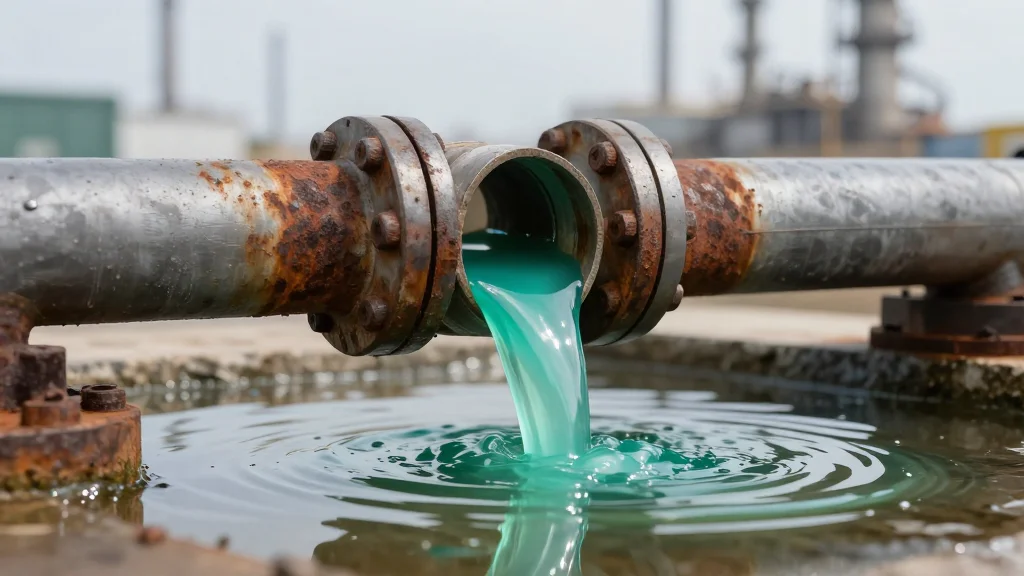
Independent Testing Where Tesla’s Lithium Refinery Discharges Wastewater Found Toxic Metals
Why It Matters
The discovery spotlights potential regulatory oversights in fast‑growing EV battery production, posing environmental risks and possible legal challenges for Tesla and the broader industry.
Key Takeaways
- •Eurofins detected hexavalent chromium and arsenic in Tesla’s wastewater.
- •These metals are not listed in Tesla’s state discharge permit.
- •Texas regulator’s February test omitted heavy metals, showing permit gaps.
- •District demands halt until remediation and on‑site treatment installed.
- •Elevated lithium, strontium and salts threaten local ecosystems.
Pulse Analysis
Tesla’s near‑term goal of securing a domestic supply of battery‑grade lithium has led to the construction of a $1 billion lithium‑refinery plant in Robstown, Texas. The facility processes spodumene ore into lithium hydroxide, a key component for electric‑vehicle batteries, and discharges roughly 231,000 gallons of hyper‑saline wastewater daily into a local drainage ditch. While the plant was granted a state wastewater permit that limits conventional pollutants, it does not require monitoring for heavy metals or the high concentrations of lithium and other salts that the process generates. The project is central to Tesla’s strategy to reduce reliance on overseas lithium sources.
Independent analysis by Eurofins Environment Testing, commissioned by Nueces County Drainage District No. 2, revealed the presence of hexavalent chromium and arsenic—both excluded from Tesla’s permit—along with elevated lithium, strontium, manganese, iron, phosphorus, and nitrogen levels. These contaminants exceed thresholds that can harm aquatic life, corrode infrastructure, and pose long‑term health risks such as carcinogenic exposure and kidney damage. The Texas Commission on Environmental Quality’s February sampling focused only on dissolved solids, oil, grease and similar parameters, omitting heavy metals, which left a critical monitoring gap that the third‑party test now exposes.
The findings raise immediate regulatory and reputational challenges for Tesla. Local officials have issued a cease‑and‑desist letter demanding that the company suspend discharges until a multi‑stage on‑site treatment system is installed, a step that could add significant capital costs and delay the plant’s ramp‑up. For the broader EV sector, the episode underscores the environmental scrutiny surrounding rapid battery‑material scaling in the United States and may prompt tighter permit requirements, including mandatory heavy‑metal monitoring. How Tesla responds will influence stakeholder confidence in its domestic supply chain and set precedents for future battery‑manufacturing projects.
Independent Testing Where Tesla’s Lithium Refinery Discharges Wastewater Found Toxic Metals
Comments
Want to join the conversation?
Loading comments...