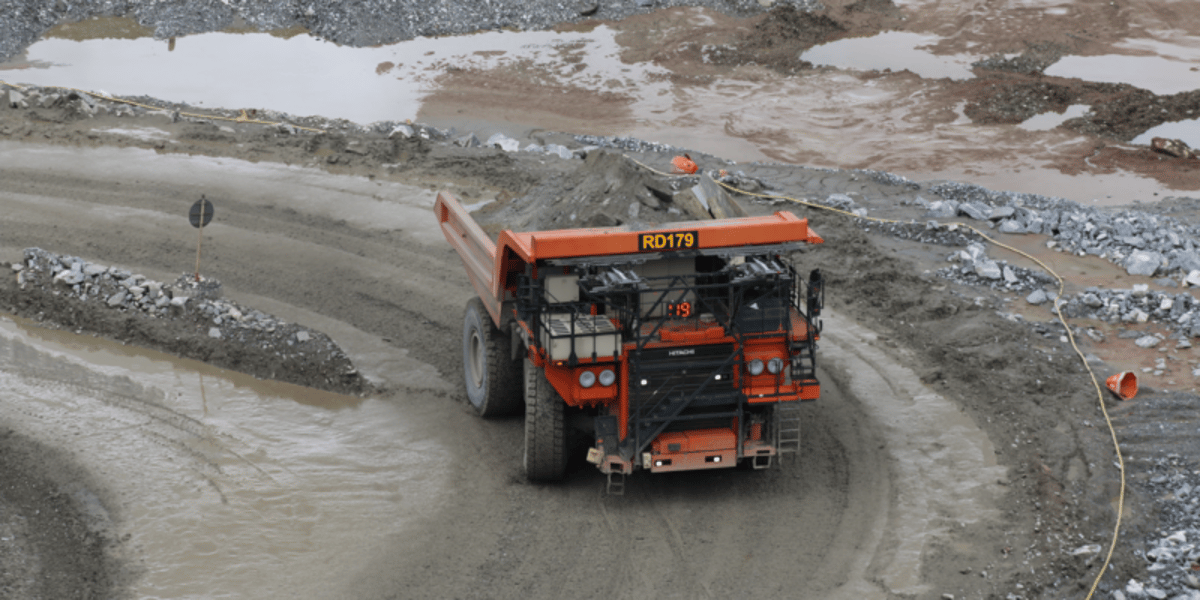
India–Zambia Critical Minerals Talks Stall Over Mining Rights Uncertainty
Companies Mentioned

Why It Matters
Without clear mining‑rights guarantees, India’s strategy to diversify its cobalt and copper supply chains faces a bottleneck, potentially heightening reliance on volatile global markets. The delay also signals challenges in India‑Africa resource diplomacy, affecting long‑term industrial and clean‑energy plans.
Key Takeaways
- •Zambia allocated 9,000 km² to India for cobalt, copper exploration
- •Indian geologists returned with cobalt and copper samples from the site
- •Mining rights assurances from Lusaka remain pending, stalling talks
- •India plans to involve private firms after three-year exploration phase
- •Delays risk India’s critical mineral supply diversification strategy
Pulse Analysis
India’s quest for critical minerals has increasingly turned to Africa, where vast cobalt and copper deposits can underpin its electric‑vehicle and renewable‑energy ambitions. The partnership with Zambia, formalized last year, granted India access to an expansive 9,000‑km² block for exploratory drilling. Early fieldwork yielded promising ore samples, positioning the region as a potential cornerstone of New Delhi’s supply‑security roadmap. Yet the success of such government‑to‑government deals hinges on clear, enforceable mining‑rights frameworks that reassure investors and facilitate private‑sector entry.
The current impasse stems from Lusaka’s hesitation to issue definitive mining‑rights assurances, a step required before India can transition the project to private firms. This uncertainty not only stalls the immediate exploration timeline but also threatens India’s broader diversification strategy. With copper imports up 4% YoY to 1.2 million metric tons and cobalt oxide shipments rising 20% in 2024/25, the country is acutely aware of its import dependence. A prolonged delay could force Indian manufacturers to lean more heavily on existing suppliers, exposing them to price volatility and geopolitical risk, especially as global copper markets tighten.
Looking ahead, India may need to recalibrate its approach, either by negotiating more robust bilateral agreements that include binding rights clauses or by expanding its outreach to alternative sources in Australia, Latin America, and other African nations. Strengthening diplomatic channels, offering joint‑venture incentives, and aligning regulatory standards could accelerate future deals. For investors and policymakers, the Zambia episode underscores the importance of securing legal certainty early in the resource‑acquisition process to avoid costly setbacks and ensure a resilient supply chain for the technologies driving the green transition.
India–Zambia Critical Minerals Talks Stall Over Mining Rights Uncertainty
Comments
Want to join the conversation?
Loading comments...