Indigenous Rights, the Environment, and International Law: What’s at Stake at This Week’s Seabed Mining Talks
•March 9, 2026
0
Why It Matters
The outcome will shape the legal framework governing a multi‑trillion‑dollar mineral frontier, affecting climate‑tech supply chains, Indigenous sovereignty and global environmental standards.
Key Takeaways
- •ISA aims to finalize seabed mining rules by year‑end
- •Indigenous groups fear rights will be ignored in final code
- •US Trump administration pushes rapid mining, bypassing ISA
- •Environmental groups call for moratorium over deep‑sea ecosystem risks
Pulse Analysis
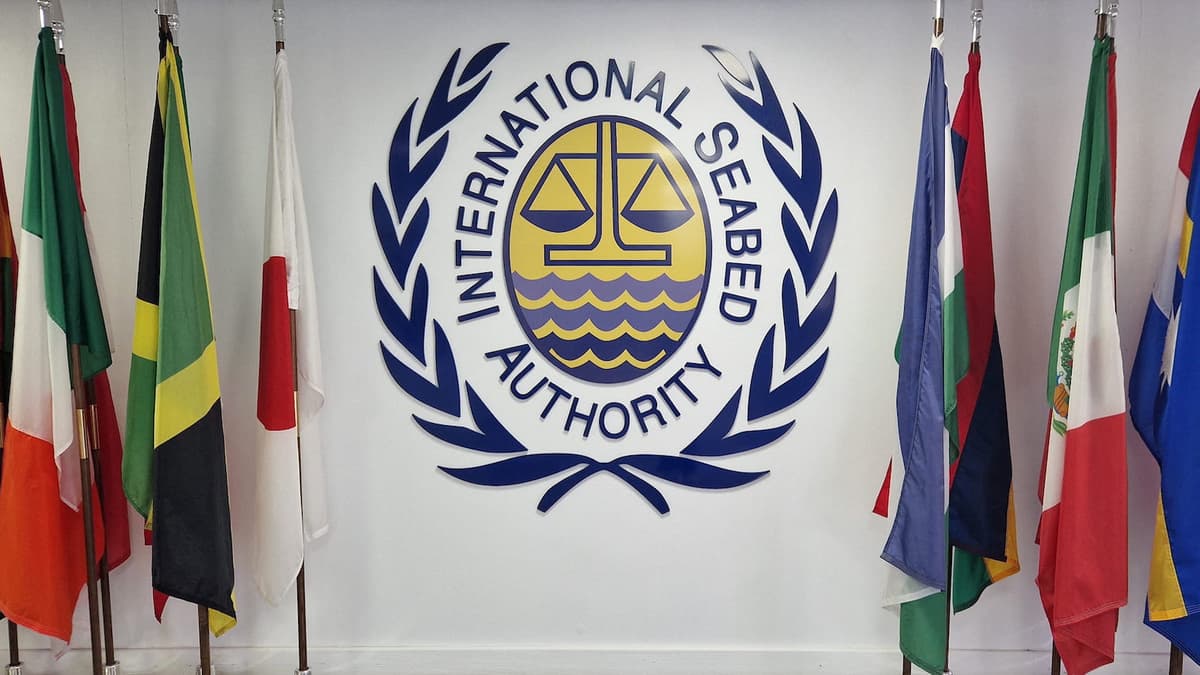
The International Seabed Authority (ISA) is on the cusp of completing a regulatory regime that could unlock vast deposits of cobalt, manganese and other critical minerals lying on the ocean floor. These resources are essential for electric‑vehicle batteries, renewable‑energy infrastructure and defense technologies, positioning seabed mining as a strategic pillar of the green transition. Yet the ISA’s decade‑long drafting process has been a delicate balancing act, incorporating scientific assessments, industry proposals and the divergent interests of over thirty‑six member states.
For Indigenous communities across the Pacific and beyond, the stakes are cultural as well as environmental. Their traditional ties to the ocean mean that any mining activity could disrupt sacred sites, marine food sources and centuries‑old ways of life. Because Indigenous groups lack formal voting rights within the ISA, their influence relies on advocacy and the inclusion of their concerns in draft language—a process that has already seen proposed protections stripped in earlier iterations. The upcoming meeting will test whether the ISA can embed robust Indigenous safeguards before the code is locked in.
Meanwhile, the Trump administration’s push to fast‑track seabed mining—both domestically and in international waters—has heightened tensions. By streamlining permitting and courting companies like The Metals Company, the U.S. seeks to secure a competitive edge in the emerging mineral market, potentially at odds with multilateral governance. Environmental NGOs, led by Greenpeace and the Deep Sea Conservation Coalition, are demanding a moratorium until the deep‑sea ecosystem impacts are fully understood. The ISA’s forthcoming decision will therefore not only define the legal parameters for commercial extraction but also signal how the international community balances economic ambition with Indigenous rights and planetary health.
Indigenous rights, the environment, and international law: What’s at stake at this week’s seabed mining talks
0
Comments
Want to join the conversation?
Loading comments...