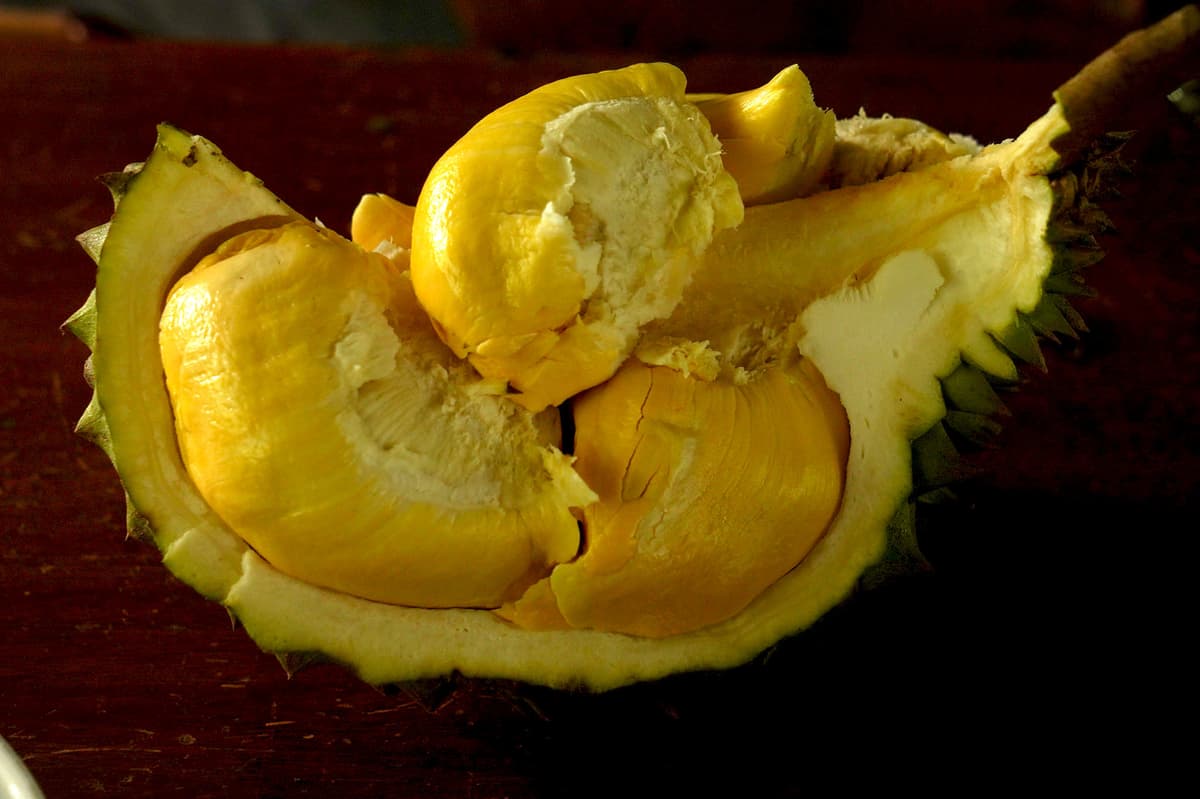
Indonesia Farmers Count the Costs as Rains Wash Out Java Durian Harvest
•March 4, 2026
0
Why It Matters
The harvest collapse jeopardizes household incomes and food security in a key agricultural area, while highlighting the urgent need for climate‑resilient farming practices in Indonesia’s durian sector.
Key Takeaways
- •2024 durian harvest fell from 3,500 to 500 fruits.
- •Extreme rainfall caused flower drop, reducing yields.
- •Farmers shift to organic fertilizer to cut costs.
- •Climate models predict more erratic weather on Java.
- •Harvest loss threatens household income and food security.
Pulse Analysis
The sudden decline in Banyumas’ durian harvest underscores how climate volatility is reshaping Indonesia’s agricultural landscape. While the Kromo variety has long been prized for its size and flavor, scientists note that unusually heavy rains during the flowering window cause blossoms to abort, slashing yields. This pattern mirrors past failures in other provinces, such as North Sumatra’s 2020 rain‑driven losses, and aligns with BMKG forecasts of more frequent extreme events driven by La Niña and broader climate change.
Faced with shrinking returns, farmers like Ganjar are experimenting with home‑grown organic fertilizers to lower input costs and improve fruit quality. By extracting calcium from eggshells, potassium from banana stems, nitrogen from bacterial cultures, and phosphate from bat guano, they create a nutrient blend applied bi‑weekly. This low‑tech approach not only reduces reliance on expensive chemical fertilizers—often exceeding 150 million rupiah per season—but also enhances the distinctive creamy texture that commands premium prices in regional markets.
The broader implications extend beyond individual orchards. Durian contributes significantly to rural incomes; a single tree can generate up to 3 million rupiah per harvest, roughly 20 % above the local minimum wage. Persistent harvest failures risk eroding household purchasing power, limiting access to education and healthcare. Policymakers and agricultural extension services must therefore prioritize climate‑smart interventions, such as resilient crop varieties, improved drainage, and targeted nutrient management, to safeguard Indonesia’s fruit sector and the millions who depend on it.
Indonesia farmers count the costs as rains wash out Java durian harvest
0
Comments
Want to join the conversation?
Loading comments...