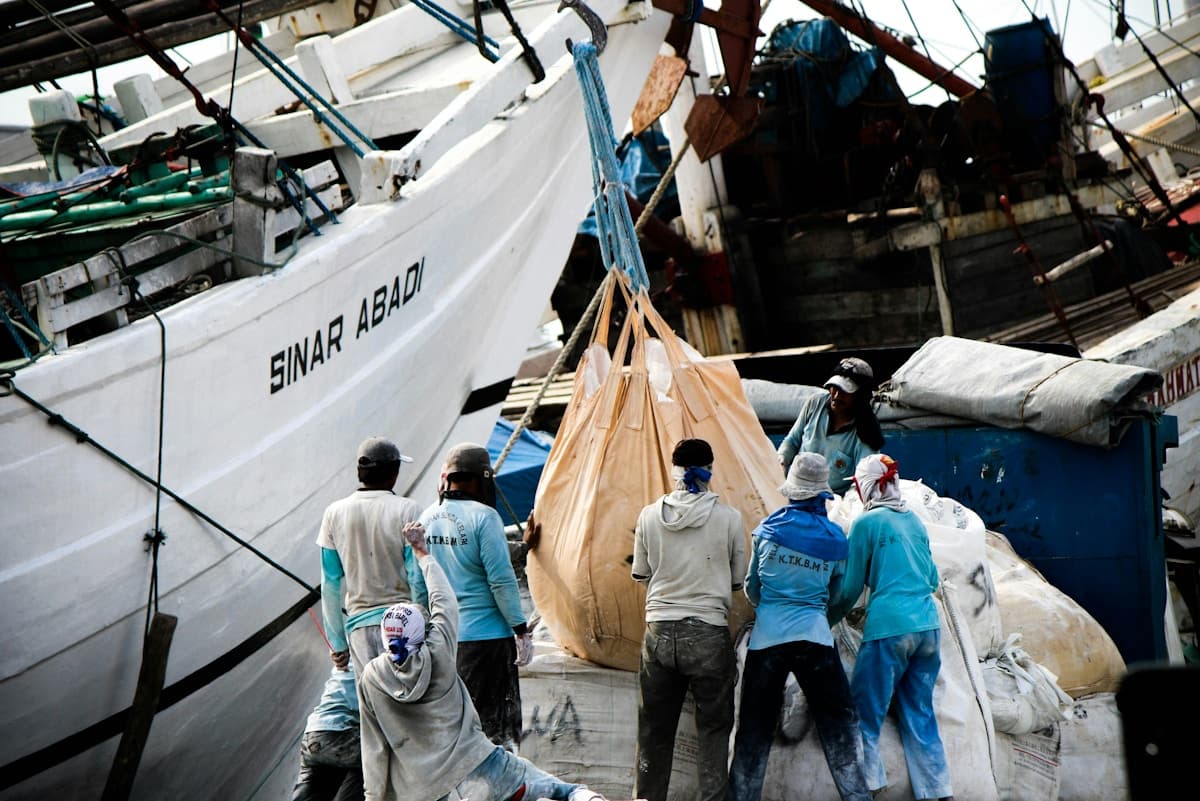
Indonesia Intercepts Mercury Shipment Bound for Illegal Philippine Mines
Why It Matters
The seizure exposes a transnational supply chain that endangers public health and undermines Indonesia’s and the Philippines’ commitments to curb mercury pollution, while signaling regulatory gaps that could affect the broader mining industry.
Key Takeaways
- •760 bottles of mercury seized at Jakarta’s Tanjung Priok port.
- •Shipment disguised as carpet rolls using falsified customs documents.
- •Mercury intended for illegal gold mines in Davao, Philippines.
- •Illegal mining drives Indonesia’s largest mercury emissions despite Minamata commitments.
Pulse Analysis
Mercury’s role in artisanal gold extraction has long been a hidden environmental hazard, especially in Southeast Asia where illegal mining thrives in remote forests. The toxic metal, a potent neurotoxin, contaminates water and soil, posing severe health risks to nearby communities and contributing to global mercury emissions. Internationally, the 2017 Minamata Convention obligates signatories, including Indonesia and the Philippines, to phase out mercury use, yet enforcement remains fragmented, allowing illicit trade to persist.
The recent Jakarta seizure underscores how smugglers exploit weak customs controls, mislabeling mercury as harmless textiles to bypass detection. By concealing 760 bottles within 145 carpet rolls, the network leveraged falsified paperwork to ship the substance to Davao, a known hub for illegal gold mining. Law enforcement’s interrogation of nine individuals and the charging of two suspects illustrate growing scrutiny, but the case also reveals systemic loopholes: hazardous‑material registration is poorly integrated with export oversight, and shipping firms with repeat offenses operate with limited accountability. These enforcement gaps risk perpetuating a cycle of environmental damage and illicit profit.
Market dynamics further fuel the problem. Gold prices surged past $5,000 per ounce in May 2024, more than triple pre‑pandemic levels, incentivizing miners to adopt mercury‑based extraction for higher yields. As long as lucrative gold prices persist, demand for cheap, unregulated mercury will likely remain strong. Strengthening cross‑border cooperation, tightening hazardous‑material export tracking, and accelerating Indonesia’s 2025 mercury‑free mining target are essential steps to break the supply chain and protect both ecosystems and public health.
Indonesia intercepts mercury shipment bound for illegal Philippine mines
Comments
Want to join the conversation?
Loading comments...