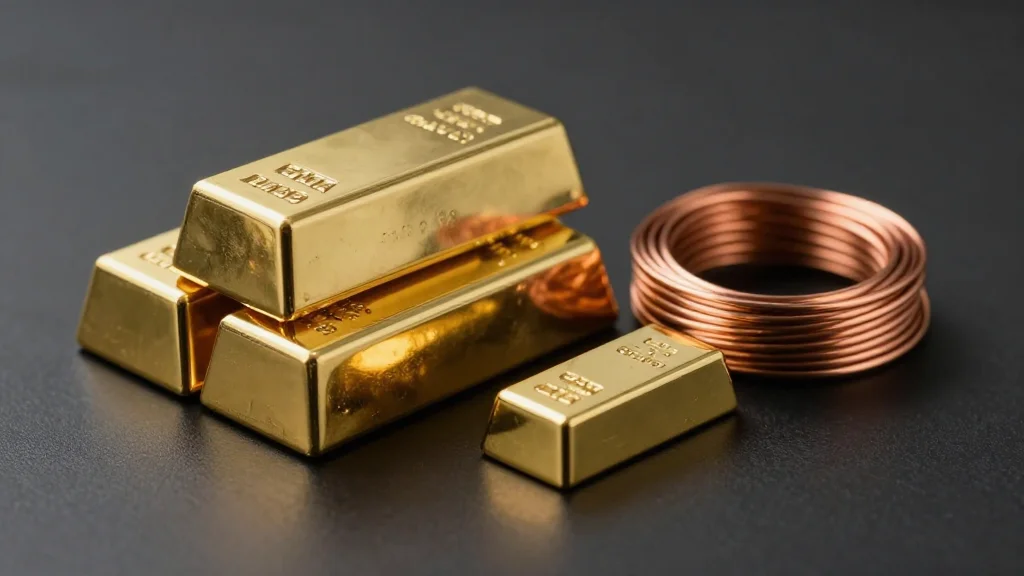
Indonesia Launches Integrated Copper‑gold Downstream Hub to Boost Defense

Why It Matters
The downstream complex marks Indonesia’s shift from a raw‑material exporter to a value‑adding producer, a transition that could reshape global supply chains for copper and gold. By internalising key stages of metal processing, the country reduces exposure to external price shocks and strengthens its defense manufacturing base, a priority amid rising geopolitical competition. If the facilities achieve their projected capacities, Indonesia could become a net exporter of refined copper products and gold bullion in Southeast Asia, challenging traditional hubs such as China and Australia. The move also signals to foreign investors that the Indonesian government is willing to back large‑scale industrial projects with policy certainty, potentially unlocking further private capital for downstream ventures.
Key Takeaways
- •MIND ID and PT Freeport Indonesia launched a downstream hub in Gresik on April 29, 2026.
- •Planned annual output: 10,000 t of brass, 300,000 t of copper rods/wires, 100,000 t of copper pipes, and 30 t of gold.
- •Brass production will support ammunition manufacturing for the defense sector.
- •Gold refinery will process anode slime into up to 5 million gold pieces per year.
- •Facilities are located in JIIPE, offering integrated logistics and fast‑track licensing.
Pulse Analysis
Indonesia’s downstream push is a textbook case of resource nationalism meeting industrial policy. By coupling mining assets with downstream processing, the government is attempting to capture more of the value chain, a strategy that has paid off in countries like South Korea and Brazil. The timing is crucial: global copper demand is projected to rise 30 % by 2030 as renewable‑energy projects and electric‑vehicle production scale, while gold remains a hedge against inflation and geopolitical risk. Indonesia’s ability to meet a sizable share of that demand could tilt regional trade balances.
However, the success of the hub hinges on execution risk. Scaling up to 300,000 t of copper rods and 100,000 t of pipes requires substantial capital investment, reliable power supply, and a skilled workforce. The government’s promise of tax breaks and streamlined permits mitigates some hurdles, but the country’s historical challenges with infrastructure and regulatory consistency could delay full‑capacity operation. Moreover, the gold refinery’s reliance on anode slime ties its output to copper production volumes, creating a dependency that may limit flexibility.
From a market perspective, the downstream complex could exert downward pressure on global copper prices if Indonesia begins exporting refined products in large volumes. Conversely, the added domestic supply of brass and copper components may reduce Indonesia’s import bill, improving its trade balance. For investors, the project signals a longer‑term play on Indonesia’s industrialization agenda rather than a quick‑turnaround profit opportunity. Stakeholders should monitor the commissioning schedules, financing arrangements, and any policy shifts that could affect the hub’s profitability.
Indonesia launches integrated copper‑gold downstream hub to boost defense
Comments
Want to join the conversation?
Loading comments...