Indonesian Communities Try to Reclaim Lands Following Company Permit Revocations
•March 6, 2026
0
Why It Matters
The decision underscores Indonesia’s tightening enforcement of environmental rules and could reshape Indigenous land rights, setting a precedent for future forest concessions and governance in the region.
Key Takeaways
- •Government revoked PT TPL's forest permit in Jan 2026.
- •29 Indigenous communities seek return of 37,219 ha land.
- •State agency Danantara slated to take over revoked concessions.
- •Communities demand legal certainty, land titling, and ecosystem restoration.
- •Past cases show partial land titles granted after similar disputes.
Pulse Analysis
The Indonesian government’s January 2026 revocation of PT Toba Pulp Lestari’s forest utilization permit marks a rare, high‑profile enforcement action after the company was linked to the catastrophic floods and landslides of November 2025. By pulling 28 additional permits, authorities signal a shift toward stricter compliance with forestry regulations, aiming to curb illegal expansion of pulp‑wood plantations that have long scarred the country’s high‑conservation landscapes.
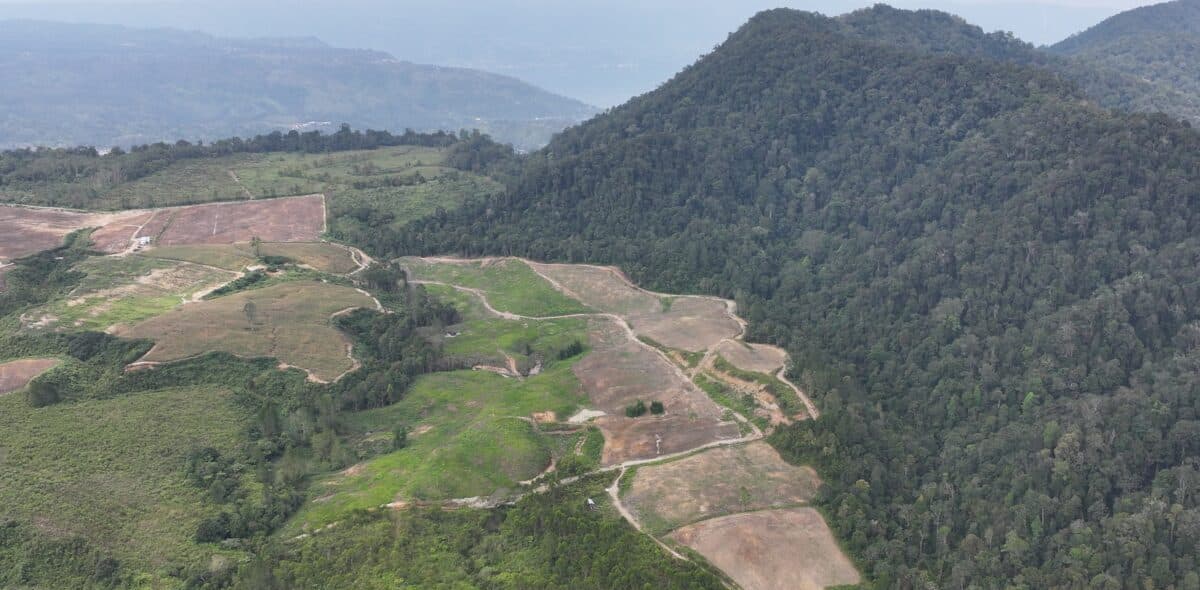
For the 29 Indigenous communities whose customary territories intersect the 167,927‑ha TPL concession, the revocation opens a fragile window to reclaim 37,219 ha of ancestral land. Yet the transfer of the vacated area to the state‑owned investment agency Danantara raises fresh concerns about a possible corporate handover that could perpetuate the same conflicts. Community leaders, backed by NGOs such as AMAN and KSPPM, are demanding clear legal titles, recognition of Indigenous rights, and a concrete reforestation plan to replace decades of eucalyptus monoculture with native forest ecosystems.
The episode illustrates a broader tension between Indonesia’s development agenda and its obligations under the 2012 Constitutional Court ruling that customary forests cannot be classified as state lands. Successful land‑titling and restoration could set a benchmark for future concession disputes, encouraging investors to prioritize sustainable practices while safeguarding Indigenous livelihoods. Conversely, a failure to deliver legal certainty may fuel social unrest and deter responsible foreign capital, reshaping the investment climate for the nation’s timber and pulp sectors.
Indonesian communities try to reclaim lands following company permit revocations
0
Comments
Want to join the conversation?
Loading comments...