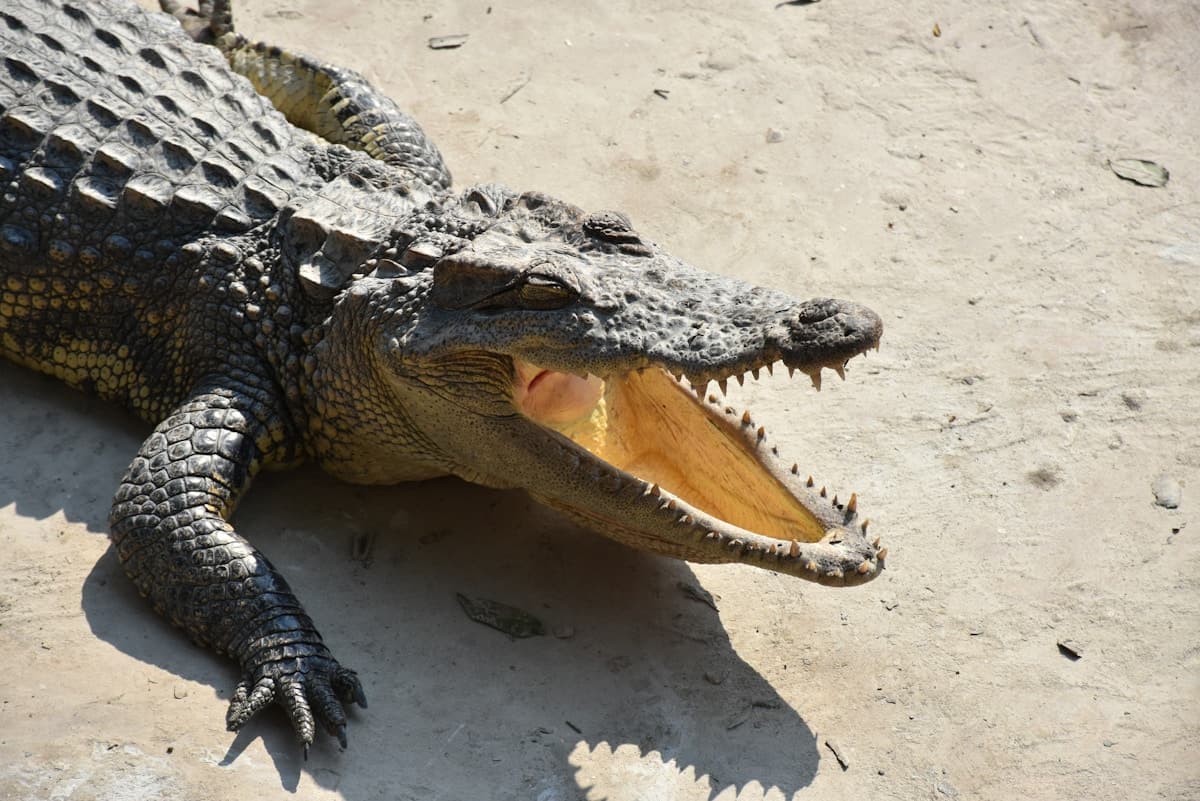
Indonesia’s Crocodile Attacks Rise as Wetlands Are Cleared for Mining, Oil Palm
Why It Matters
The rising human‑crocodile conflict underscores how extractive industries and land‑use change can generate direct safety risks and social instability, pressuring governments and companies to address environmental governance.
Key Takeaways
- •21 crocodile deaths reported on Bangka Island since 2019.
- •Illegal tin mining and oil palm have cleared 1,000 hectares of wetlands.
- •Crocodile habitat loss forces animals into human‑occupied waterways.
- •Alobi Foundation runs a full‑capacity sanctuary, urging protected wetland zones.
Pulse Analysis
Bangka’s wetlands have been decimated in the past two decades as illegal tin mines and oil‑palm concessions replace mangroves, swamps, and riverine forests. Roughly 1,000 hectares—about 2,500 acres—of critical habitat have vanished, eroding the natural buffer that once kept the world’s largest saltwater crocodiles away from villages. The rapid land‑use shift is driven by global demand for tin in electronics and palm oil for food and biofuels, creating a lucrative but environmentally costly supply chain that strains local governance and fuels corruption.
The ecological disruption has a direct human toll. Since 2017, Indonesia recorded 665 crocodile attacks, and Bangka alone has seen 21 fatalities in five years, a stark rise tied to displaced crocodiles seeking new hunting grounds. Warmer temperatures linked to climate change accelerate crocodile metabolism, increasing their activity near water and heightening the likelihood of encounters. Communities that once fished safely now avoid rivers, undermining livelihoods and prompting fear that the conflict will worsen as both human and animal behaviors adapt to hotter conditions.
Stakeholders are urging immediate policy action. Conservation groups like the Alobi Foundation call for a protected wetland reserve in Central Bangka, while NGOs demand comprehensive rehabilitation of mined and cleared lands. Such measures would restore mangrove corridors, reduce human‑crocodile overlap, and help meet Indonesia’s biodiversity commitments. For multinational buyers, the crisis signals the need for stricter supply‑chain due diligence to ensure minerals and palm oil are sourced without fueling habitat loss, aligning corporate responsibility with regional safety and ecological resilience.
Indonesia’s crocodile attacks rise as wetlands are cleared for mining, oil palm
Comments
Want to join the conversation?
Loading comments...