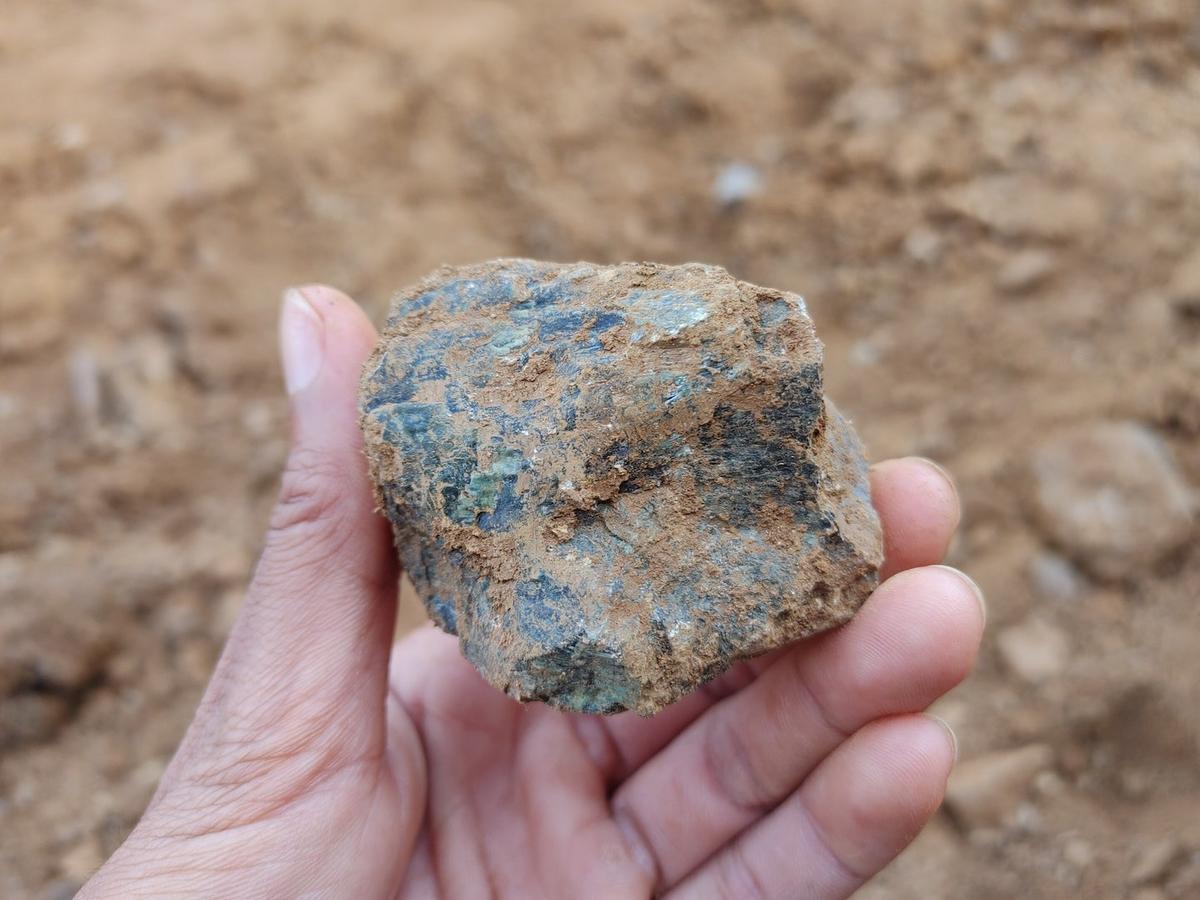
Indonesia’s Nickel Dominance Reshapes Global Supply Outlook
Companies Mentioned
Why It Matters
Indonesia’s nickel dominance secures a critical feedstock for electric‑vehicle batteries, shaping global pricing and supply‑chain stability for the fast‑growing clean‑energy sector.
Key Takeaways
- •Indonesia supplied most of 2025's nickel production growth
- •Australia's output fell 58.6% amid mine closures
- •Brazil's Onça Puma added second furnace, boosting capacity
- •2026 nickel output forecast up 9.4%, led by Indonesia
- •Upstream‑downstream projects improve Indonesia's ore‑to‑smelter linkages
Pulse Analysis
Indonesia’s nickel boom is reshaping the commodity’s supply curve. By the end of 2025 the archipelago accounted for the bulk of the 6.1% global increase, thanks to a slate of new or expanded operations—from Sulawesi Cahaya Mineral’s high‑grade ore to the newly‑ramped Morowali smelters. The country’s strategy of pairing mines with downstream processing facilities reduces logistics bottlenecks and creates a more self‑sufficient value chain, a model that rivals traditional producers such as Canada and Brazil.
Meanwhile, the sharp contraction in Australia, where output fell nearly 60%, and the Philippines’ modest decline have tightened the market’s tight‑rope balance. Australian mines faced profitability pressure and a wave of closures, while El Niño‑driven weather battered Philippine pits. These setbacks have removed a significant source of high‑grade nickel, nudging buyers toward Indonesian contracts and supporting price premiums for battery‑grade material. Brazil’s Onça Puma furnace upgrade and Canada’s Voisey’s Bay ramp‑up provide modest counterweights, but the net effect is a market increasingly dependent on Indonesia’s reliability.
Looking ahead to 2026, a projected 9.4% rise in global nickel production will again be led by Indonesia, underscoring its strategic importance for the electric‑vehicle (EV) supply chain. Strong demand from refined‑kitchen‑electric‑fuel (RKEF) projects and battery manufacturers will test the resilience of Indonesia’s integrated infrastructure. Investors and policymakers will watch for policy shifts, environmental regulations, and potential geopolitical friction, all of which could influence the pace of expansion and the stability of the global nickel market.
Indonesia’s nickel dominance reshapes global supply outlook
Comments
Want to join the conversation?
Loading comments...