Why It Matters
The concessions threaten the biodiversity that fuels Raja Ampat’s $40‑per‑visitor tourism economy and undermine Indonesia’s ESG commitments, while feeding the global EV battery supply chain.
Key Takeaways
- •Raja Ampat MPAs saw 109% fish biomass increase since 2007
- •Indonesia holds ~43% of world’s nickel reserves, driving mining pressure
- •New concessions target islands inside a UNESCO Global Geopark
- •218 tourist ships in 2024 raise reef damage risk alongside mining
Pulse Analysis
Nickel’s surge as the backbone of electric‑vehicle batteries has turned Indonesia into a strategic resource hub. Holding roughly 43% of the world’s nickel reserves, the archipelago attracts multinational miners eager to secure supply chains for battery manufacturers. The government’s recent approval of concessions on three northern Raja Ampat islands reflects a broader push to monetize these deposits, promising jobs and export revenues. Yet the short‑term fiscal gains clash with long‑term sustainability goals, especially as global investors scrutinize ESG performance and demand transparent environmental safeguards.
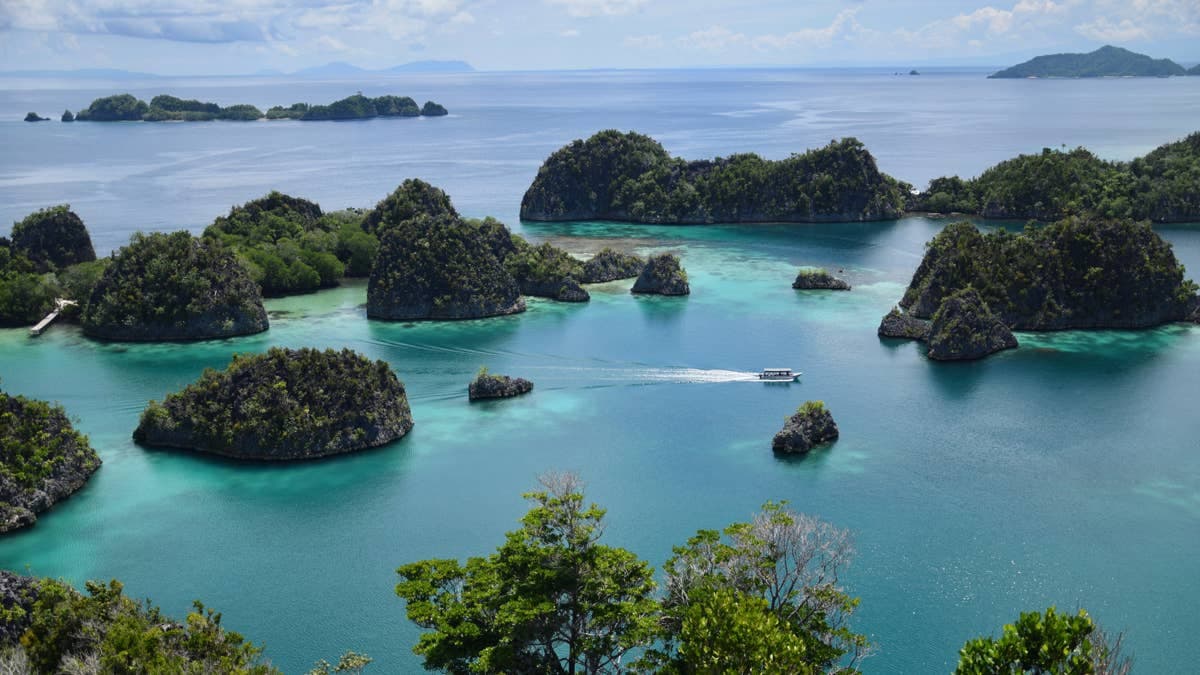
Raja Ampat’s reefs rank among the planet’s most biologically diverse, hosting 75% of hard‑coral species and over 1,700 fish species. The region’s ten marine protected areas have delivered a 109% increase in fish biomass, bolstering a tourism sector that charges $40 per visitor and draws 218 charter vessels annually. However, mining on steep volcanic islands generates heavy‑metal runoff and sediment that can smother corals, while the sheer volume of anchor drops from tourist ships already erodes reef structures. The combined pressures threaten the very ecosystem that underpins the local economy and Indonesia’s reputation as a conservation leader.
Policymakers now face a delicate balancing act. Options include stricter environmental impact assessments, limiting the number of tourist vessels, and establishing buffer zones around mining sites. International pressure from climate‑focused investors and consumer brands seeking responsibly sourced nickel could incentivize higher standards. If Indonesia can align mining activities with robust reef‑protection measures, it may preserve its tourism revenue while contributing to the global clean‑energy transition. Failure to do so risks irreversible biodiversity loss and a backlash that could tarnish the nation’s green‑energy narrative.
Indonesia's Reefs Face Increased Threat From Mining
Comments
Want to join the conversation?
Loading comments...