Is Myanmar’s Military Government Planning Airstrikes on Rare Earth Mines?
•March 4, 2026
0
Why It Matters
Disruption of Myanmar's rare‑earth output could tighten global HREO supplies and drive price volatility, affecting high‑tech and defense industries reliant on these minerals.
Key Takeaways
- •China closed Myanmar border crossings in Pang War
- •Chinese firms raised flags to mark mines for airstrike avoidance
- •Junta reportedly planning airstrikes on rare‑earth sites
- •Myanmar supply disruption threatens one‑third of China's HREO feedstock
- •Dysprosium and terbium prices could spike from supply shock
Pulse Analysis
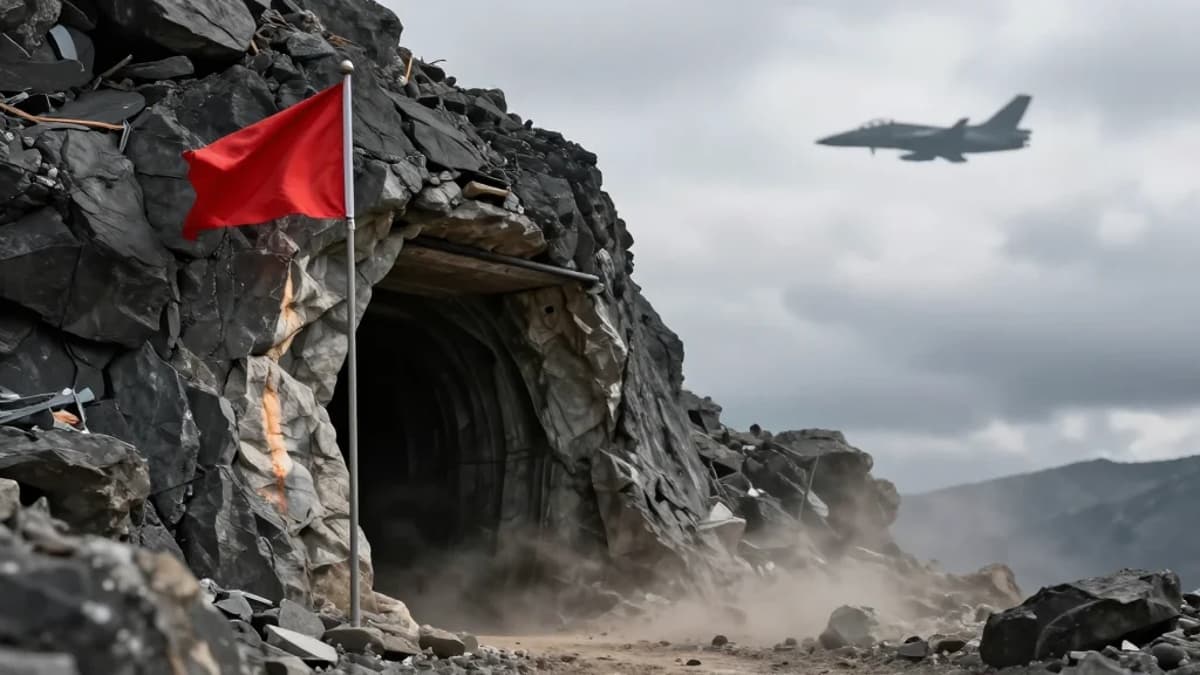
The fighting in northern Myanmar has spilled into the rare‑earth sector, where the Kachin Independence Army now dominates the Pang War mining district. After a February 20 drone strike on a Myanmar National Airlines plane, the junta intensified aerial operations, prompting rumors of targeted strikes on high‑grade heavy rare‑earth (HREO) concentrates. Chinese mining firms responded by hoisting national flags on site and ordering workers to dig bomb shelters, a tactic meant to make the mines visible to pilots and reduce collateral damage. These moves underscore how quickly a localized armed conflict can become a strategic resource‑security issue.
China imports roughly one‑third of its primary HREO feedstock from Myanmar, feeding its domestic magnet and defense supply chains. The abrupt border closures and the threat of airstrikes could choke this flow, tightening global inventories of dysprosium, terbium and neodymium. With limited alternative sources and rising demand for high‑performance magnets in electric vehicles and renewable‑energy technologies, market participants anticipate a sharp price rally. Recent neodymium and didymium spikes already signal investor sensitivity; a prolonged disruption could push dysprosium and terbium premiums to multi‑year highs, reshaping pricing curves across the sector.
From a strategic perspective, the episode highlights the vulnerability of critical mineral supply chains to geopolitical flashpoints. Companies may accelerate diversification, seeking projects in Australia, the United States or Africa to hedge against Myanmar‑related risk. Policymakers in China and allied nations could also consider stockpiling or incentivizing domestic rare‑earth processing to reduce exposure. Meanwhile, diplomatic engagement between Beijing and the Kachin Independence Organization suggests a possible de‑escalation pathway, though outcomes remain uncertain. Investors and manufacturers should monitor developments closely, as any escalation could reverberate through the entire high‑tech ecosystem that depends on stable rare‑earth supplies.
Is Myanmar’s military government planning airstrikes on rare earth mines?
0
Comments
Want to join the conversation?
Loading comments...