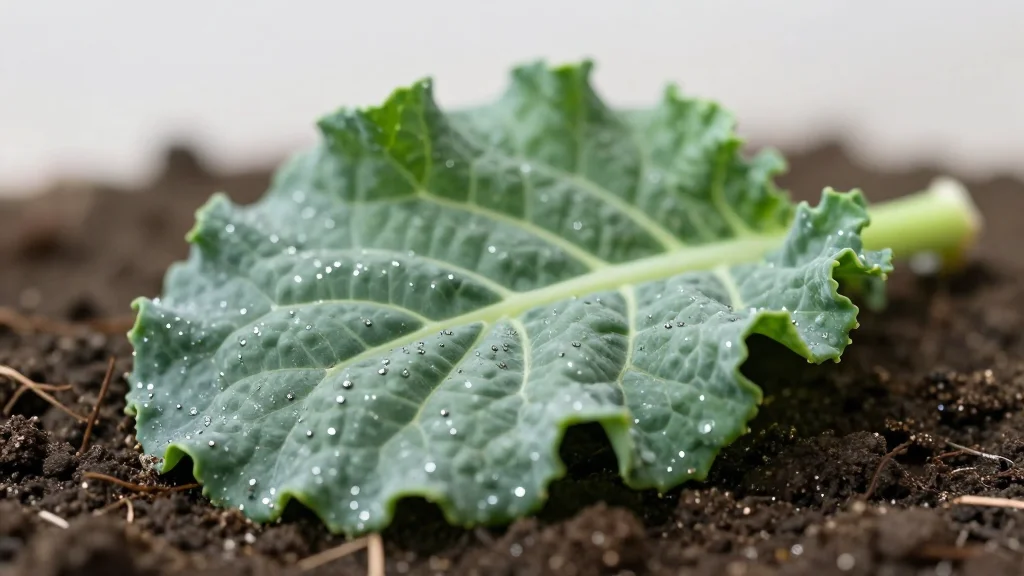
Kale, Thallium and the Prospect of 'Phytomining'

Why It Matters
Phytomining offers mining companies a dual solution—soil remediation and metal recovery—potentially lowering cleanup costs and creating new revenue from otherwise waste material.
Key Takeaways
- •Kale absorbs measurable thallium levels from polluted soils.
- •Phytomining could monetize remediation by harvesting extracted thallium.
- •Plant‑based extraction reduces reliance on energy‑intensive mining methods.
- •Thallium recovery supports stricter ESG compliance for mining firms.
- •Field trials needed to assess scalability and economic viability.
Pulse Analysis
The concept of phytomining—using plants to extract valuable metals—has moved from theory to practice with the University of Queensland’s discovery that kale can uptake thallium from contaminated ground. Thallium, a highly toxic heavy metal often associated with mining waste, poses significant health and ecological risks. Traditional remediation relies on costly excavation or chemical leaching, which can further disturb ecosystems. By leveraging a common leafy vegetable, researchers highlight a low‑tech, low‑energy alternative that simultaneously cleans soil and concentrates the metal in harvestable biomass.
In controlled greenhouse experiments, kale plants cultivated in thallium‑laden soil accumulated concentrations sufficient for commercial extraction. The metal binds to the plant’s vascular system and can be recovered through straightforward incineration or chemical processing of the harvested leaves. This bio‑extraction method reduces the need for heavy machinery and minimizes carbon emissions compared with conventional mining. Moreover, the approach aligns with circular‑economy principles, turning a pollutant into a marketable commodity while preserving land for future agricultural use.
For the mining sector, the implications are twofold. First, phytomining offers a cost‑effective pathway to meet tightening ESG regulations by demonstrating proactive soil remediation. Second, recovered thallium—used in electronics, glass manufacturing, and specialized alloys—creates an ancillary revenue stream that can offset cleanup expenses. However, scaling the technique will require field trials to validate yield consistency, develop efficient metal recovery processes, and assess economic feasibility across diverse climates. If these hurdles are overcome, phytomining could become a standard tool in the sustainable mining toolbox, marrying environmental stewardship with profit potential.
Kale, thallium and the prospect of 'phytomining'
Comments
Want to join the conversation?
Loading comments...