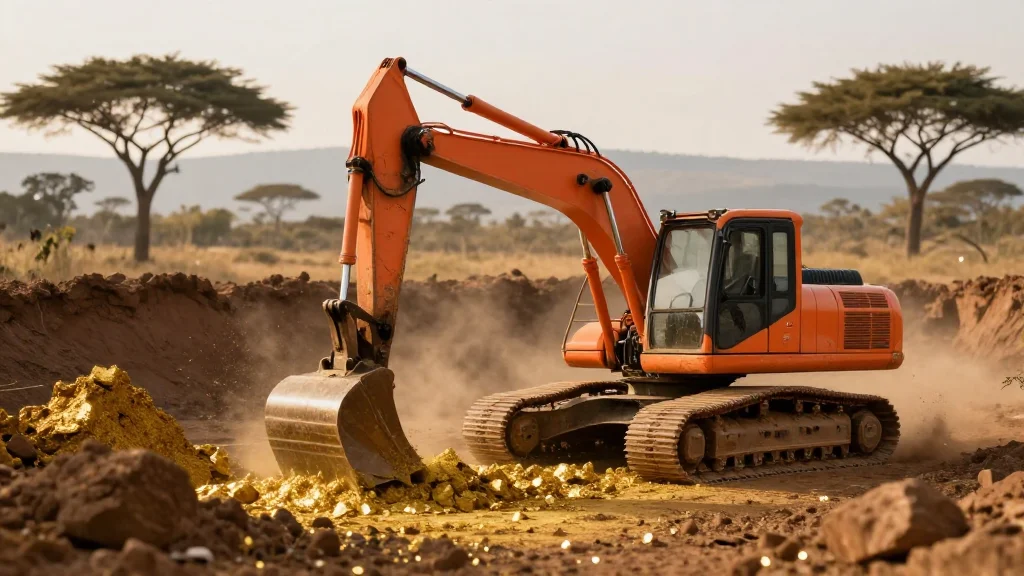
Kenya Pushes Mining Reforms Amid Illegal Operations, Fraud Concerns
Why It Matters
Formalising Kenya’s mining sector protects investors, curbs illegal extraction, and positions the country to retain greater economic benefits from its growing mineral base.
Key Takeaways
- •27 operators used five excavators each in two cooperative blocks
- •Nearly 300 excavators found in zones labeled artisanal mining
- •Government redesigning licensing to cut delays and involve county officers
- •Officials warned any political share request is criminal activity
- •Kenya urges investors to set up local processing for gold and copper
Pulse Analysis
The surge of heavy‑machinery activity in Kenya’s so‑called artisanal mining zones underscores a regulatory blind spot that threatens both the environment and community safety. When dozens of operators converge on a single cooperative block, the resulting land degradation and abandoned pits create long‑term liabilities that outweigh short‑term revenue. Stakeholders now demand stricter oversight, clearer delineation between small‑scale and industrial mining, and robust rehabilitation mandates to prevent a legacy of barren landscapes.
In response, the Ministry of Mining is revamping its licensing framework to eliminate bottlenecks and embed county officials in the approval chain. By de‑criminalising artisanal miners and publishing verified operator lists, the government seeks to boost transparency and deter corrupt practices, such as officials demanding equity stakes in projects. Simultaneously, Joho’s warnings about fabricated gold shipments and inflated insurance fees serve as a cautionary tale for foreign investors, emphasizing the need for due‑diligence through official channels.
Beyond compliance, Kenya’s push for local processing reflects a strategic shift toward value‑addition, aligning with continental goals to move from raw‑material exports to manufacturing. With global demand for critical minerals soaring—driven by renewable energy, digital infrastructure, and defense—retaining more of the value chain can attract higher‑quality capital and reduce reliance on costly foreign financing. If the reforms succeed, Kenya could become a regional hub for refined gold and copper, enhancing its trade balance and contributing to Africa’s broader ambition of processing a larger share of its mineral wealth.
Kenya pushes mining reforms amid illegal operations, fraud concerns
Comments
Want to join the conversation?
Loading comments...