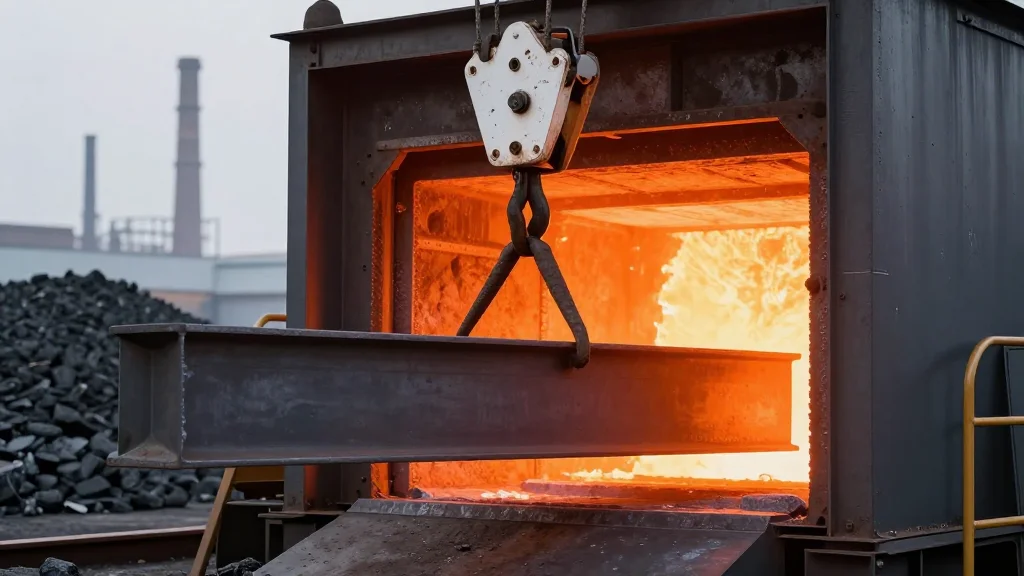
Kolkata-Based Rashmi Group to Invest ₹35,000 Crore Across Steel, Power, Mining Sectors in Bengal
Why It Matters
The massive capital infusion positions West Bengal as a new hub for heavy manufacturing, potentially reshaping India’s steel supply chain and energy mix while creating tens of thousands of jobs.
Key Takeaways
- •₹35,000 crore (~$4.2 bn) earmarked for steel, power, mining in Bengal
- •Steel capacity to rise by 7 MTPA, adding 35,000 jobs
- •Three new coal mines to be operationalized, creating 15,000 jobs
- •Investment builds on existing ₹25,000 crore assets in the state
- •Rashmi’s plan could shift India’s steel production northward
Pulse Analysis
Rashmi Group’s ₹35,000 crore (about $4.2 billion) pledge marks one of the largest single‑state industrial commitments in recent Indian history. By expanding steel output by 7 million tonnes per year, the company aims to close the gap between domestic demand and supply, reducing reliance on imports that have traditionally strained the trade balance. The added capacity also dovetails with the government's push for a self‑sufficient steel ecosystem, potentially lowering raw‑material costs for downstream sectors such as automotive, construction, and infrastructure.
Beyond steel, the three coal mines slated for development in Birbhum and Paschim Bardhaman will feed Rashmi’s existing 850 MW captive power plant and future energy projects. This vertical integration mirrors a broader trend among Indian conglomerates to secure fuel sources amid volatile global energy markets. By internalizing coal supply, Rashmi can stabilize power costs, improve plant reliability, and enhance its ESG profile through controlled mining practices and potential investments in cleaner extraction technologies.
The socioeconomic ripple effects are equally significant. With an estimated 50,000 direct and indirect jobs, the investment could catalyze ancillary industries, from logistics to equipment manufacturing, across five districts. Moreover, the infusion of capital may spur further private and public infrastructure upgrades, such as roads, ports, and power transmission lines, reinforcing West Bengal’s emergence as a strategic industrial corridor in eastern India. Stakeholders—from policymakers to investors—should monitor project execution timelines and land‑allocation outcomes, as these will determine the actual impact on regional growth and the broader Indian manufacturing landscape.
Kolkata-based Rashmi Group to invest ₹35,000 crore across steel, power, mining sectors in Bengal
Comments
Want to join the conversation?
Loading comments...