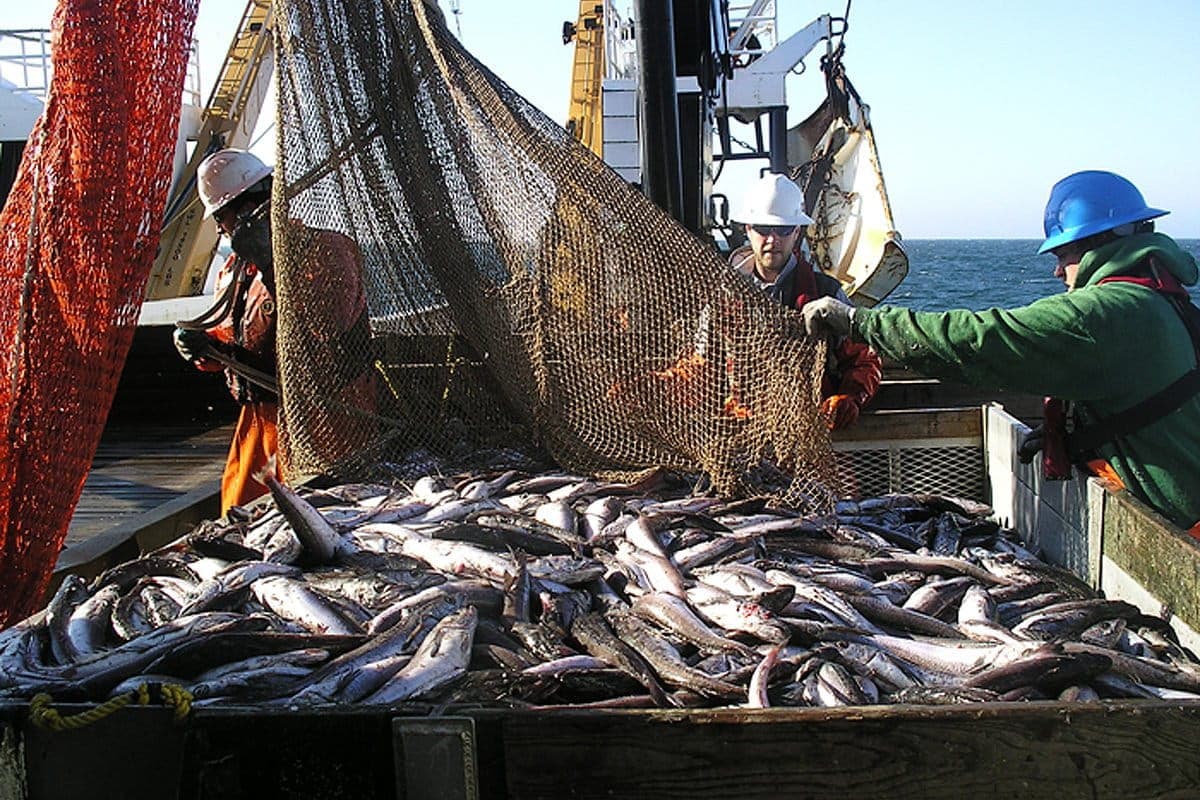
Landmark US Magnuson-Stevens Fisheries Law Turns 50 Amid Budget Cut Concerns
Why It Matters
The act remains the cornerstone of U.S. fisheries management, and funding cuts could erode decades of ecological and economic gains, jeopardizing both marine health and a $300 billion industry.
Key Takeaways
- •MSA celebrated 50 years, credited with rebuilding 50+ fish stocks
- •NOAA reports $300 billion in seafood sales and 2.1 million jobs
- •Proposed $1.6 billion NOAA budget cut threatens management resources
- •18% of U.S. fish stocks remain overfished despite recovery gains
- •Regional councils blend fishers, scientists, tribes to set science‑based limits
Pulse Analysis
The Magnuson‑Stevens Act, enacted in 1976, marked a turning point for U.S. marine conservation by extending federal jurisdiction to 200 nautical miles and establishing eight regional fishery management councils. This framework shifted the industry from a “free‑for‑all” to a science‑based, quota‑driven system that has rebuilt more than 50 depleted stocks, including Atlantic sea scallops and Pacific bluefin tuna. By integrating fishers, tribal representatives, scientists, and processors, the act created a collaborative governance model that balances harvest with ecosystem health. The act also mandated annual stock assessments, providing the data backbone for quota adjustments.
The economic ripple effect is substantial: NOAA estimates the seafood sector now generates over $300 billion in sales and supports roughly 2.1 million jobs nationwide. Yet the success is uneven—about 18% of U.S. fish stocks remain overfished, and rising demand threatens to reverse gains. Recent policy signals, such as the 2025 executive order urging deregulation, underscore a tension between short‑term profit motives and long‑term sustainability, putting pressure on councils to tighten limits amid industry pushback. Consumer demand for sustainably sourced seafood has risen, prompting retailers to adopt traceability certifications.
Funding uncertainty compounds these challenges. The administration’s proposed $1.6 billion cut to NOAA’s budget would slash resources for stock assessments, enforcement, and habitat restoration, weakening the act’s enforcement arm. Conservation groups warn that reduced scientific capacity could delay rebuilding plans and embolden illegal fishing. While NOAA officials affirm the MSA will remain “the compass” for U.S. fisheries, sustaining its effectiveness will require renewed investment and bipartisan support to ensure the balance between today’s harvest and tomorrow’s ocean health. State and regional partnerships may offset federal shortfalls, but coordination gaps could limit effectiveness.
Landmark US Magnuson-Stevens fisheries law turns 50 amid budget cut concerns
Comments
Want to join the conversation?
Loading comments...