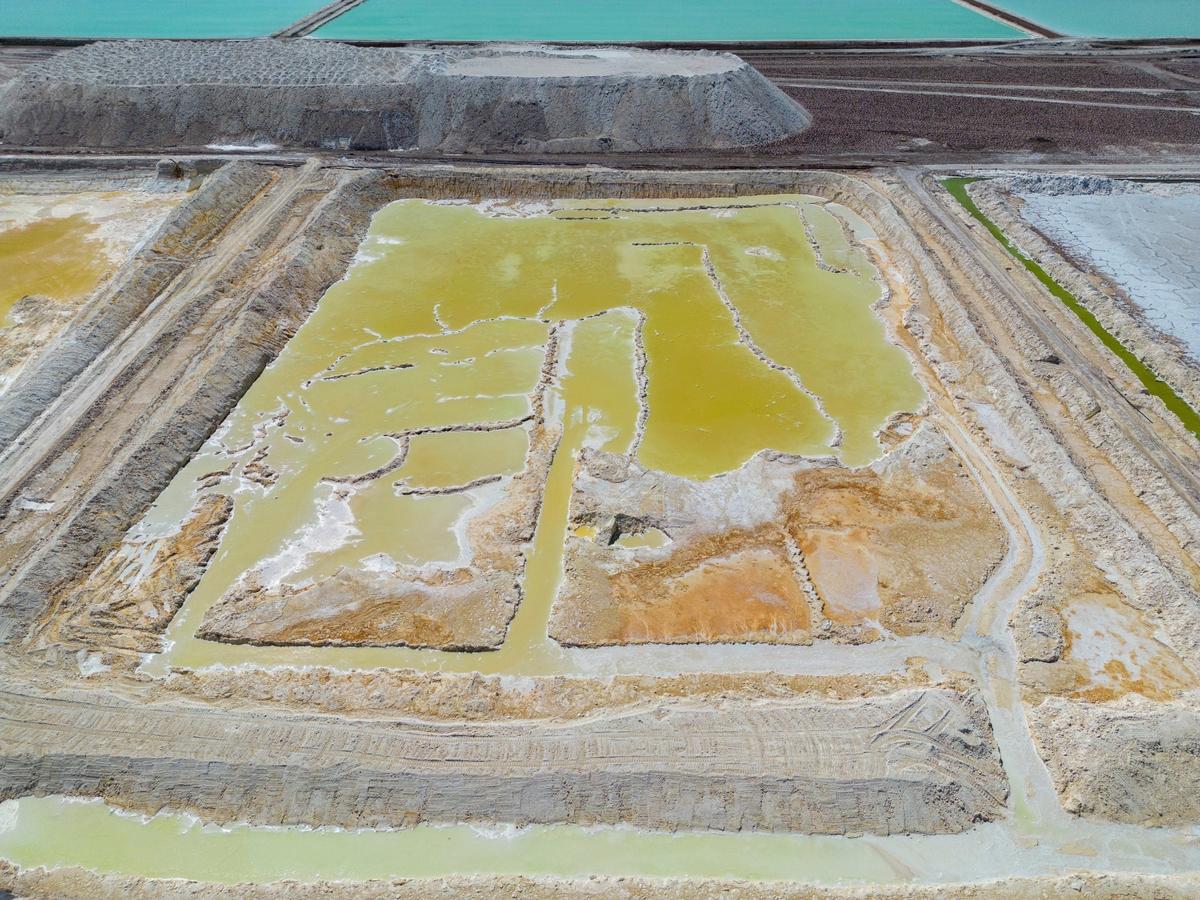
Lithium Extraction Models Improve Sustainable Resource Management
Why It Matters
Dynamic, data‑driven assessments enable miners and regulators to target remediation where ecological stress is greatest, protecting ecosystems while sustaining lithium supply for the energy transition.
Key Takeaways
- •Variable Weight model outperforms constant weight in detecting high‑risk zones
- •Ecological security in Huaqiao improved 2010‑2015, then fell 2019‑2024
- •Vegetation loss and mining proximity drive 80%+ of ecological degradation
- •Adaptive DPSIRM framework enables targeted remediation and precise buffer zones
- •Real‑time geospatial monitoring supports sustainable lithium extraction for energy transition
Pulse Analysis
The surge in electric‑vehicle and battery demand has turned lithium into a strategic commodity, but the environmental footprint of open‑pit mining remains a contentious issue. Traditional static assessments often mask localized degradation, leading to policy gaps and community backlash. By leveraging high‑resolution remote sensing, meteorological data, and topographic layers, the new DPSIRM‑VW framework treats ecological security as a fluid system, allowing stakeholders to see how drivers such as GDP growth or road density translate into on‑the‑ground impacts like vegetation loss or soil desiccation.
What sets the Variable Weight approach apart is its ability to re‑calibrate indicator importance in real time. When a mining pit experiences a sudden drop in vegetation cover, the VW algorithm amplifies that factor’s weight, pushing the overall security score lower and spotlighting the area for immediate action. The study’s Geographic Detector analysis confirms that interactions—particularly between mining proximity and vegetation decline—explain up to 86% of observed ecological variance. This nuanced insight surpasses constant‑weight models, which would have smoothed over such hotspots, potentially delaying mitigation.
For industry players, the framework translates into a cost‑effective tool for differentiated governance: resources can be allocated to “penalty zones” for soil stabilization, moisture retention, or re‑forestation, rather than blanket measures across entire districts. Regulators gain a scientific basis for dynamic buffer zones and adaptive licensing, aligning policy with on‑the‑ground realities. Looking ahead, integrating higher‑frequency satellite feeds and groundwater quality metrics could further sharpen predictive power, ensuring that lithium extraction fuels the green transition without compromising long‑term ecosystem resilience.
Lithium Extraction Models Improve Sustainable Resource Management
Comments
Want to join the conversation?
Loading comments...