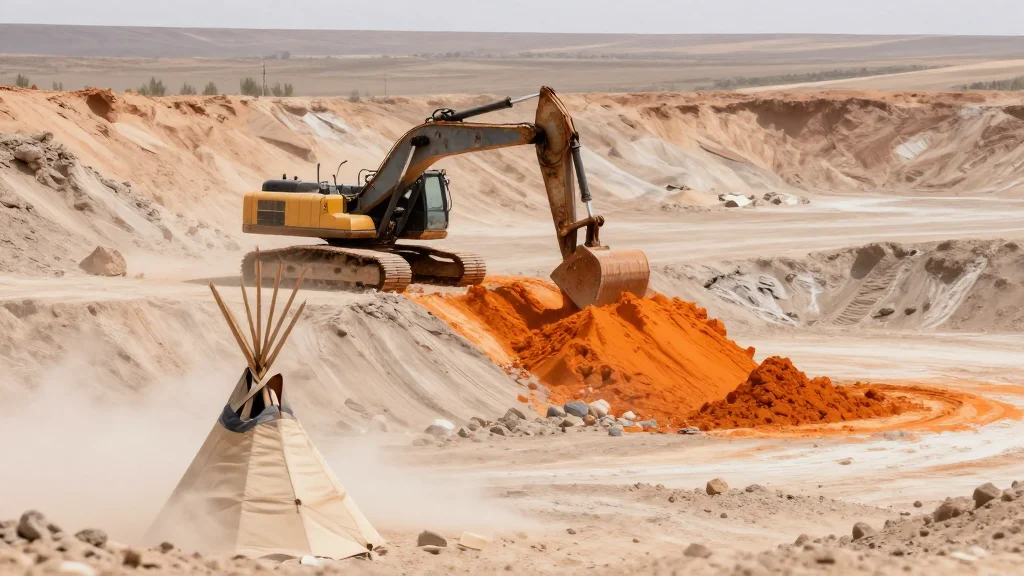
Lithium 'Sacrifice Zones' Emerge as U.S. Rush Fuels Pollution, Child Labor Risks

Companies Mentioned

Why It Matters
The findings expose a collision between climate‑driven demand for clean‑energy minerals and long‑standing patterns of environmental racism. As lithium becomes a cornerstone of electric‑vehicle batteries, the health of nearby communities—particularly Indigenous peoples—faces heightened risks from water contamination, air‑borne pollutants and unsafe labor practices. The report underscores that without immediate policy intervention, the United States could replicate the historical legacy of “sacrifice zones” that have plagued mining regions for decades, eroding public trust in the green transition. Beyond the human toll, the unchecked expansion threatens the economic viability of the lithium sector itself. Supply‑chain investors are increasingly scrutinizing ESG (environmental, social, governance) metrics; persistent reports of child labor and pollution could trigger divestment, trade restrictions, and reputational damage for U.S. producers seeking to compete globally. The investigation therefore signals that the race to secure domestic lithium must be balanced with enforceable safeguards to avoid undermining both social equity and market stability.
Key Takeaways
- •540 proposed lithium mines identified worldwide; 19 slated for the U.S. by 2030
- •U.S. lithium market share projected to rise from <1% to 8% in five years
- •One in 10 proposed mines within 10 miles of tribal reservations (reservations cover 2% of U.S. land)
- •Nearly 66% of projects located in vulnerable counties with high poverty and minority populations
- •Federal agencies fast‑tracking permits while tribal groups report water loss, air pollution and child‑labor risks
Pulse Analysis
The lithium rush reflects a classic resource‑boom paradox: the very minerals that enable a low‑carbon future are being extracted in ways that jeopardize that future for the most vulnerable. Historically, mining booms have generated short‑term economic spikes but left lasting environmental scars—think the uranium tailings in the Navajo Nation or the gold rush towns that became ghost cities. The current wave differs in scale and geopolitical urgency; the United States now views domestic lithium as a national security imperative, prompting policymakers to sidestep traditional environmental reviews. This regulatory shortcut creates a feedback loop: faster approvals attract more capital, which fuels further permit requests, amplifying community exposure.
From a market perspective, investors are beginning to price in ESG risk. Major battery manufacturers have pledged to source conflict‑free lithium, and any evidence of child labor or severe pollution could trigger supply‑chain audits, contract cancellations, or even sanctions from the European Union’s forthcoming Critical Raw Materials Regulation. Companies that pre‑emptively adopt rigorous community‑engagement frameworks and transparent monitoring could capture premium pricing, while laggards risk being black‑listed. The next policy inflection point will likely be the pending Critical Minerals bill, which could embed community consent clauses and stricter water‑use standards. If Congress acts decisively, the U.S. could set a global benchmark for responsible lithium mining; if not, the country may inherit a legacy of “sacrifice zones” that undermine the very climate goals the industry touts.
Lithium 'Sacrifice Zones' Emerge as U.S. Rush Fuels Pollution, Child Labor Risks
Comments
Want to join the conversation?
Loading comments...